Part of the “Life Skills No One Teaches You” Series
Mate, let’s be honest. Staring at that blank page, trying to figure out how to write good cover letters, feels like a chore. You’ve already polished your resume, listed your skills, and now you have to write a whole other thing? It’s easy to think, “Does anyone even read these?”
I get it. I’ve been on both sides of this. I’ve been the guy sending out applications into the void, and I’ve been the guy sifting through hundreds of them. And I can tell you the straight-up truth: a good cover letter has one job. It’s not about repeating your resume. It’s your one chance to connect the dots for the hiring manager and tell a story your resume can’t. It’s how you show them you’re not just another applicant, you’re the solution to their problem.
This guide is designed to get you from that blank page to a finished, confident application, today. We’ll cut through the noise and give you a simple, practical method that actually works in the Aussie job market. No fluff, just a clear plan to help you land the interview.
Why a Good Cover Letter Still Matters in Australia
Let’s cut to the chase. Writing a cover letter often feels like a pointless formality. You’ve already put all the effort into your resume, so why bother with another document they might just skim over?
It’s a fair question, but in the competitive Aussie job market, thinking that way is a massive mistake. A strong cover letter is your single best opportunity to stand out from the pack. It’s the handshake and introduction your resume can’t give.
Think of it like this:
Your resume is the what. It’s a list of your skills, your qualifications, and your past jobs. It’s the facts.
Your cover letter is the why. It explains why those facts make you the perfect person for this specific job. It connects your story to their needs.
This is your moment to prove to the hiring manager that you’ve actually done your homework. You’re not just another person blindly firing off resumes into the digital abyss. You’ve taken the time to understand their company, you get what they’re looking for, and you’re genuinely interested in this role. That effort alone puts you ahead of so many other applicants. When you learn how to write good cover letters, you are learning how to show respect for the employer’s time, which they will notice.
The Harsh Reality of Skipping It
Still not sold on the idea? Let’s look at the hard facts. In Australia’s crowded job market, where a single opening can attract hundreds of applicants, the cover letter has become a critical filtering tool for recruiters. Some data suggests that a significant percentage of recruiters might instantly reject a candidate who doesn’t bother to submit one.
This is especially true for entry-level positions, apprenticeships, or graduate roles where there are heaps of applicants with similar qualifications. Without a cover letter, you’re just another resume in the pile. You miss the chance to show your personality, your work ethic, and your genuine enthusiasm. Skipping the letter means you could be out of the race before it even starts.
A good cover letter is also a powerful tool for showing how your personal values align with the company’s mission. Understanding what matters to you is a crucial first step, and you can explore more on the meaning of your values in our detailed guide. This alignment can be the deciding factor between you and another candidate.
This guide will break down a proven method that shows you’re the right person for the job, helping you feel confident instead of overwhelmed. If you’re looking for one-on-one help to build that clarity and confidence, a free discovery call with Your Bro coaching could be your next best step. We can help you tailor your job applications without the usual stress.
The Simple Three-Paragraph Method That Always Works
Forget all the overly complicated templates and conflicting advice you’ve seen online. The absolute key to understanding how to write cover letters that actually get read is a simple, effective, three-paragraph structure. You can adapt this for any role, from an apprenticeship to a corporate gig. It’s a blueprint that just works because it’s laser-focused on what a hiring manager actually needs to see.
This isn’t about filling a page with waffle. It’s about building a sharp, powerful argument for why you’re the right person for the job, without the stress and the guesswork. This is the foundation of how to write good cover letters.
Let’s walk through exactly what each paragraph needs to do to get you that interview.
Your Hook: The First Paragraph
Your first paragraph has one critical job: grab their attention immediately. This is your hook. From the very first sentence, you need to prove you’re not just another random applicant sending out a generic letter.
You do this by making a direct, personal connection. Of course, you need to mention the specific role you’re applying for and where you saw it. But the real magic is in showing you’ve done a bit of research on the company.
What does this look like in the real world?
Mention a recent project: “I was particularly impressed by your recent work on the community solar project in Bendigo, and I’m excited by the opportunity to contribute my skills as a Project Coordinator.”
Reference their company values: “Your company’s commitment to sustainable practices, which I read about in your latest annual report, aligns perfectly with my own professional values.”
Show genuine enthusiasm: “Having followed your company’s innovative approach to apprentice training for some time, I was thrilled to see the opening for a first-year Carpentry Apprentice.”
This instantly tells the reader you’re intentional and have a genuine interest in them. It sets a positive tone and makes them actually want to keep reading your letter. It’s a small detail that makes a massive difference.
Your Proof: The Second Paragraph
Okay, this is the heart of your cover letter. Paragraph two is where you deliver the evidence. It’s your chance to directly connect your skills and experience to the key requirements they’ve laid out in the job description.
Don’t just repeat your resume here. That’s a rookie mistake. Instead, pick out two or three of the most crucial duties or skills from the job ad and give a specific example of a time you’ve successfully used them. Think of it as telling a mini-story for each point. This is central to learning how to write good cover letters.
Pro Tip: Use the “Problem, Action, Result” (PAR) formula. Briefly set the scene with a problem you faced, explain the action you took to solve it, and then spell out the positive result. This makes your experience tangible and far more impressive.
For instance, if the job ad asks for “strong problem-solving skills,” you could write something like this: “In my previous role at Smith & Co, we were dealing with recurring inventory errors which were causing delays for customers. I took the initiative to analyse our process, identified the main bottleneck in our receiving system, and proposed a new digital tracking system. After we rolled it out, we cut inventory errors by 30% in the first quarter alone and improved customer satisfaction.”
See how much more powerful that is than just saying, “I am a great problem solver”? You’ve offered concrete proof of your value.
Your Close: The Third Paragraph
The final paragraph is your close. This is where you confidently wrap things up and make the next step crystal clear. You need to accomplish two simple things here.
First, restate your enthusiasm for the role and the company. A simple, confident sentence is all you need. “I am confident that my skills in customer service and my dedication to teamwork would make me a valuable asset to your team.”
Second, you need a clear call to action. Don’t be passive or wishy-washy. Instead of weakly saying, “I hope to hear from you soon,” take control of the situation. A much stronger finish is something like, “I am available for an interview next week and look forward to discussing how my experience can contribute to your company’s success.”
This shows confidence and makes it easy for the hiring manager to know what to do next. It leaves no room for ambiguity.
And that’s the whole framework. It’s simple, repeatable, and effective.
The Simple Three-Paragraph Cover Letter Structure
This table sums up the entire method. Keep it handy, and you’ll be able to whip up a strong, tailored letter for any application without breaking a sweat. It’s the core of how to write good cover letters.
Paragraph
Purpose (What it does)
Key Ingredients (What to include)
Paragraph 1: The Hook
Grabs their attention and shows you have a genuine interest.
The specific role, where you saw it advertised, and a genuine, specific compliment or connection to the company (e.g., a recent project, their values, a news article).
Paragraph 2: The Proof
Provides solid evidence of your skills and how you can add value.
Two to three specific examples that directly match the key job requirements, using the "Problem, Action, Result" method to show your impact.
Paragraph 3: The Close
Ends on a confident note and clearly prompts the next action.
A final statement of enthusiasm for the role, and a clear, proactive call to action (e.g., "I am available for an interview…").
Three simple paragraphs, each with a clear job to do. Together, they build a compelling case for why you’re the person they need to call for an interview. It’s simple, it’s effective, and it works every time.
Cover Letter Examples for Different Aussie Jobs
Alright, theory is one thing, but seeing it all come together in practice is where it really clicks. Knowing the three-paragraph method is great, but applying it to your own situation is the final step. The way you learn how to write good cover letters for an apprenticeship is completely different from how you’d write one for a government job or a career change.
To help you get this done today, we’re going to break down three practical, annotated examples for situations you’re likely to face. We’ll look at an Apprentice Electrician with limited formal experience, a Career Changer moving from a trade into an office job, and a Government Graduate role. Each one follows our simple three-paragraph structure, and I’ll add notes explaining why certain bits work so well.
Example One: Apprentice Electrician
This first example is for a young bloke, let’s call him Tom, applying for a first-year electrical apprenticeship. He doesn’t have a long CV, but he has practical skills, a great attitude, and a solid work ethic. His main goal is to show that he’s reliable, eager to learn, and ready for hands-on work from day one.
Dear Mr. Henderson,
(Paragraph 1 – The Hook) I am writing to express my strong interest in the First Year Electrical Apprenticeship with Henderson Electrical, which I saw advertised on SEEK. Having followed your company’s work on several local commercial projects, including the recent fit-out at the new community sports centre, I am incredibly impressed by your team’s reputation for quality and safety. I am eager to start my career with a business that values high standards.
Analysis: Tom immediately shows he’s done his homework. He names a specific local project, which proves he has a genuine interest in this company, not just any old apprenticeship. This simple detail sets him apart from 90% of other applicants who send a generic letter.
(Paragraph 2 – The Proof) During my final year at TAFE studying a Certificate II in Electrotechnology, I developed a solid foundation in safe work practices and electrical principles. I excelled in the practical modules, particularly residential wiring, where I consistently finished projects ahead of schedule while maintaining a 100% safety record in all assessments. Furthermore, in my part-time job at Bunnings, I am trusted to manage stock in the electrical aisle, which has honed my problem-solving skills and taught me how to assist tradies in finding the right components for their jobs.
Analysis: He links his TAFE course directly to the job’s requirements. The mention of his 100% safety record is a brilliant move, as safety is the most important thing in this trade. He also cleverly uses his retail job to show relevant skills like problem-solving and product knowledge. This is a great way to handle having limited “formal” work experience.
(Paragraph 3 – The Close) My practical skills, strong work ethic, and genuine passion for the electrical trade would make me a dedicated and reliable apprentice for your team. I have my driver’s licence and my own transport and am available for an interview at your earliest convenience. Thank you for considering my application.
Analysis: The close is confident and practical. Mentioning his licence and transport answers a key logistical question for any trade employer before they even have to ask. The call to action is polite but direct, showing he’s organised and ready to go.
Example Two: Career Changer
Now, let’s look at Ben. He’s been a carpenter for ten years and wants to move into a Project Coordinator role in a construction company. His challenge is to show how his on-the-tools experience translates directly into valuable office skills. This is a common challenge, but how to write good cover letters for a career pivot is about framing your past, not hiding it.
Dear Ms. Chen,
(Paragraph 1 – The Hook) I am writing to apply for the Project Coordinator position at Buildwell Group, as advertised on LinkedIn. With a decade of hands-on experience as a qualified carpenter on commercial sites, I have admired Buildwell’s commitment to innovative design and efficient project delivery from a unique, on-the-ground perspective. I am now looking to apply my deep understanding of the construction lifecycle to a coordination role where I can help drive projects to successful completion.
Analysis: Ben immediately frames his trade background as a major strength, not a weakness. He shows he understands the industry from a different angle, which is a huge asset for a coordination role. He’s not apologising for his past; he’s leveraging it.
(Paragraph 2 – The Proof) In my previous role as a Leading Hand Carpenter, I was responsible for more than just my tools. I coordinated the daily schedules for a team of four, ensuring we met our project deadlines without sacrificing quality. For example, on the Parramatta office tower project, I identified a sequencing issue between the framing and plumbing teams that would have caused a two-week delay. I raised this in the site meeting and proposed an adjusted workflow, which was adopted and ultimately kept the project on schedule. This experience has given me strong skills in stakeholder communication, proactive problem-solving, and interpreting complex project plans, all of which are essential for this role.
Analysis: This is a perfect example of translating skills. He doesn’t just say he’s a leader; he gives a concrete “Problem, Action, Result” story that proves it. He turns “talking to the plumber” into “stakeholder communication,” which is exactly what a recruiter for an office job wants to see. If you’re struggling to frame your own experiences, remember that coaching can provide clarity. A Your Bro coaching free discovery call can help you identify and articulate your transferable skills with confidence.
(Paragraph 3 – The Close) I am confident that my practical site experience combined with my natural ability to organise and communicate will allow me to quickly become a valuable member of your project team. I am excited about the opportunity to discuss how my unique background can benefit Buildwell Group and am available for an interview next week.
Analysis: He ends by reinforcing his unique selling point: the blend of hands-on and organisational skills. The call to action is confident and specific, showing he’s serious about the role.
Example Three: Government Graduate
Finally, we have Aisha, applying for a graduate program with a state government department. Government applications often require you to address specific “selection criteria.” The best way how to write good cover letters for these roles is to weave your answers directly into your proof paragraph, making it easy for the panel to tick their boxes.
Dear Selection Committee,
(Paragraph 1 – The Hook) I am writing to apply for the 2025 Graduate Program with the Department of Community Services, as advertised on the I WORK FOR NSW website. Having recently completed my Bachelor of Social Work with a focus on youth policy, I have been consistently impressed by the Department’s innovative programs aimed at supporting at-risk young people. I am passionate about contributing to public service and believe my skills align perfectly with your mission.
Analysis: Clear, formal, and direct. She names the department, the program, and where she saw it. She also shows she understands their mission and isn’t just applying for any government job. For more examples and frameworks, you can explore a comprehensive sample cover letter for job application to see other professional approaches.
(Paragraph 2 – The Proof) My studies and volunteer experience have equipped me with the key capabilities you require. Regarding your criterion of strong research and analytical skills, my final-year thesis required me to analyse policy data to identify service gaps for regional youth, for which I received a High Distinction. To address your need for effective communication skills, I spent two years volunteering as a youth mentor at Headspace, where I facilitated group discussions and provided one-on-one support, tailoring my communication style to build trust with diverse individuals.
Analysis: This is flawless for a government application. She explicitly names the selection criteria in bold and then provides a specific, evidence-based example for each one. This makes the selection panel’s job incredibly easy; she’s literally ticking their boxes for them. This is the gold standard for this type of role. For anyone feeling overwhelmed trying to figure out their path, our guide on what you should do with your life offers practical steps for finding direction.
(Paragraph 3 – The Close) I am eager to apply my academic knowledge and practical skills in a challenging and rewarding public sector environment. I am confident I can contribute positively to the Department of Community Services and look forward to the opportunity to discuss my application in an interview.
Analysis: A professional and respectful closing that restates her interest and looks toward the next step. It’s perfectly toned for a government role.
Common Mistakes That Get Your Cover Letter Binned
Right, let’s talk about the rookie errors, the simple mistakes that get your cover letter and resume tossed straight into the ‘no’ pile.
I’m not trying to scare you, but I want to give you the inside track on what recruiters and hiring managers are truly sick of seeing. Once you know what makes them sigh and hit the delete button, you can easily sidestep those common traps.
The whole point here is to self-audit your work before you send it. You don’t want to be rejected for simple, fixable stuff. Learning how to write good cover letters is as much about what you don’t do as what you do.
The Generic Greeting and Fluffy Buzzwords
Nothing screams “I couldn’t be bothered” quite like a generic greeting. Kicking off your letter with “Dear Sir/Madam” or “To Whom It May Concern” is an instant red flag. It tells the reader you didn’t spend two minutes on LinkedIn or the company website to find a name. Honestly, it’s just lazy, and in a competitive market, it’s the fastest way to get your application binned.
Just as bad is cramming your letter with empty, meaningless buzzwords. Phrases like “hard-working,” “team player,” “results-driven,” or “dynamic self-starter” mean absolutely nothing without proof. Anyone can say those things about themselves.
Instead of just stating these qualities, you need to show them in action.
Instead of: “I’m a dynamic problem-solver.”
Try: “I noticed a recurring error in our stocktake process, so I created a simple checklist that our team could use, which cut mistakes by 15% in the first month.”
That small shift from telling to showing makes all the difference. It provides concrete evidence.
Repeating Your Resume Word for Word
This one’s a classic mistake. A lot of people treat their cover letter as if it’s just a long-form version of their resume. The hiring manager already has your resume; they don’t need you to rehash the same bullet points in paragraph form. It’s a huge waste of their time and a massive missed opportunity for you to add value.
Your cover letter’s job is to add context, personality, and a direct link to the role. It should tell the story behind the facts on your resume. Think of it as the highlight reel with your expert commentary.
Your resume lists your achievements. Your cover letter explains why those achievements matter specifically to this company and this role. Don’t make them read the same information twice.
Research backs this up. A huge number of job seekers send out generic letters that don’t speak to the company at all. As pointed out in this breakdown of bad cover letters on Career Success Australia, things like impersonal greetings and overused buzzwords are the most common mistakes that lead to rejection. At the end of the day, personalisation is what separates a great letter from a forgettable one.
Focusing on What You Want, Not What They Need
And finally, the classic blunder: making the entire letter about you and what you hope to get out of the job. Phrases like “I’m looking for an opportunity to grow my skills” or “This role would be a great next step for my career” put all the focus on your needs, not theirs.
While your career growth is important, the company is hiring to solve a problem they have. Your application needs to be about how you can solve that problem for them. You need to frame your skills and experience as the solution they’ve been looking for.
If you’re stuck trying to figure out how to do this, it might be time for an outside perspective. A Your Bro coaching free discovery call can help you get the clarity you need to frame your applications properly, without all the usual overwhelm. It’s about building the confidence to show them exactly why you’re the person they need.
How to Use AI Without Sounding Like a Robot
Alright, let’s talk about the elephant in the room: AI. Tools like ChatGPT can feel like a massive shortcut when you’re learning how to write good cover letters, and in some ways, they are. But if you’re not careful, they can also strip all the personality right out of your application, making it sound painfully generic and robotic.
The trick is to think of AI as your assistant, not your writer. Use it to brainstorm ideas, help structure your thoughts, or polish up your grammar. But never, ever just copy and paste what it spits out. Recruiters are getting flooded with identical, robotic-sounding letters, and they stand out for all the wrong reasons.
Making AI Your Smart Assistant
The rise of AI in job applications is a real phenomenon. Recent data shows that a large number of job seekers have used ChatGPT for their resumes or cover letters. While many of them scored interviews, there’s a huge catch: when hiring managers received multiple AI-generated letters, they were often nearly identical. This creates a sea of sameness that completely defeats the purpose of standing out.
The good news? Many Australian employers are fine with candidates using AI, as long as it’s used smartly as a starting point, not the final product. You can read more about these job seeker trends on CommsRoom.co.
So, how do you use it without falling into the generic trap?
Brainstorming: Feed the AI the job description and your resume. Ask it to “identify the key themes” or “suggest some powerful action verbs to describe my experience.”
Structuring: Ask it to “create an outline for a cover letter based on the three-paragraph method” we’ve been talking about.
Refining: Paste your own draft in and ask it to “check for grammar and spelling errors,” “suggest alternative phrasing to sound more professional,” or “help me make this more concise.”
This approach keeps your voice and your unique stories right where they belong: at the centre of the letter.
Injecting Your Personality Back In
Once AI has done the initial heavy lifting, your job is to breathe life back into the text. This is the human element that AI simply can’t fake. It’s about adding those specific details and personal touches that make the letter uniquely yours.
Remember, AI can’t tell your personal stories, convey your genuine enthusiasm, or explain why you care about this specific job. That’s the part that gets you the interview.
Go through the AI-assisted draft line by line and look for every opportunity to add:
Specific examples: Swap out generic fluff like “I am a strong communicator” with a real story, like the ones we’ve covered in our examples. Be specific.
Your unique voice: Read the letter aloud. Does it actually sound like something you’d say? Tweak the words until it feels natural, authentic, and confident.
Genuine interest: Add that specific detail you found about the company during your research. Show them you’ve done your homework and you care about them.
If you struggle to pull out those personal stories or articulate your unique value, that’s a very common hurdle. It’s tough to see your own strengths clearly from the inside. This is exactly where coaching can make a huge difference.
A Your Bro coaching free discovery call can help you uncover the powerful, personal stories that AI will never find, giving you the confidence to truly stand out. Building this skill is also tied to your emotional intelligence, which you can learn more about improving in our guide.
Your Final Checklist Before You Hit Send
Alright, you’ve made it through the hard part. You now have a solid framework for how to write good cover letters that actually work. This is a skill that will genuinely serve you every single time you look for a new role, so it’s worth taking the time to get it right.
Let’s turn all that theory into a simple, repeatable action plan. Think of this as your final checkpoint before you confidently hit ‘send’ on that application.
Your Immediate Next Steps
Here’s your quick-reference guide to putting it all into practice right now:
Find the Name: Seriously, spend five minutes on LinkedIn or the company’s ‘About Us’ page to find the hiring manager’s name. Address it to a real person. This small step makes a massive first impression. If you can’t find it, ‘Dear Hiring Manager’ is better than ‘To Whom It May Concern’.
Use the Three-Paragraph Method:
The Hook: Kick things off with a specific, genuine connection to the company. Show you’ve done your research.
The Proof: Give them two or three concrete examples that directly link your skills to their problems, using the Problem, Action, Result formula.
The Close: End with a confident, clear call to action that tells them what you want to happen next.
Proofread It Out Loud: Read your final draft aloud to yourself. It might feel a bit weird at first, but it’s the single best way to catch awkward phrasing, typos, and sentences that don’t flow. It’s a simple trick that works wonders for improving your tone.
This is the core of it. This is how you write a cover letter that gets results.
Final Check: Does your letter focus on what you can do for them, not what they can do for you? Shifting to this mindset is the most important change you can make. Your letter should be all about the value you can bring to their team.
When You Need a Bit More Help
Sometimes, even with the best plan in the world, it can feel bloody overwhelming. If you’re staring at the screen, struggling to dig up your own stories or just can’t find the right words to explain your value, that’s completely normal. This is where a bit of one-on-one support can make all the difference.
Your Bro coaching is designed to bring that clarity and confidence to your job search. We work together to build a solid, practical plan, so you can tackle your applications with genuine confidence instead of that sinking feeling of dread.
If you’re ready to stop feeling stuck and start getting results, book a free, no-pressure discovery call to see if coaching is the right fit for you.
Your Cover Letter Questions, Answered
Even with the best game plan, a few nagging questions always seem to pop up right when you’re about to hit ‘send’. Let’s clear the air with some quick, straight-up answers to the most common things people ask when figuring out how to write good cover letters in Australia. My goal here is to squash any last-minute doubts so you can submit your application feeling totally confident.
How Long Should a Cover Letter Be?
Keep it short and sharp. The sweet spot is somewhere between three-quarters of a page and one full page when formatted properly. Recruiters are busy people; they are skimming for key information, not settling in to read a novel.
If you find your letter spilling onto a second page, you’ve definitely written too much. It’s time to be ruthless. Go back and cut out anything that isn’t absolutely essential. Keep only your strongest, most relevant points.
Do I Really Need a New Letter for Every Single Job?
Yes. One hundred percent, yes. A generic, copy-paste cover letter is a complete waste of your time and a surefire way to get your application ignored.
You absolutely have to tailor each letter to the specific company and the role they’re hiring for. That means directly addressing their unique needs (as listed in the job ad) and weaving in keywords from their description. It’s the clearest and most effective way to show you’ve done your homework and are genuinely keen on this job, not just any job.
What If I Don’t Have Any “Direct” Experience?
This is a big one, especially for young guys or career changers. The key is to stop thinking about “direct” experience and start focusing on your transferable skills. Don’t have any office experience? Talk about how your retail job taught you incredible customer service skills and how to perform under pressure. No formal leadership titles on your resume? Mention how you organised the local footy team’s end-of-year trip or got a community project off the ground.
Everyone has relevant experience. Your job is to connect the dots for the hiring manager, showing them how your background, whatever it is, has prepared you for this specific role.
If you need more guidance on the nuts and bolts of job seeking in Australia, the government’s Fair Work Ombudsman website has some solid resources on getting ready for a new job. Nailing your story is crucial, and if you’re struggling to see your own value, sometimes a bit of personalised coaching can make all the difference in the world.
Feeling a bit lost or unsure how to package your story for an employer? At Your Bro, we specialise in helping you find that clarity and confidence. Book a free, no-pressure discovery call today and let’s see how we can build a practical plan together. Find out more at https://yourbro.com.au.
Let’s be honest, the right gym bag isn’t just about carrying your gear; it’s about solving problems before they happen. A disorganised bag is a classic excuse to skip a workout. You can’t find your straps, your headphones are tangled, or your sweaty shirt has made everything else damp and smelly. This guide is designed to fix that for good, transforming your gym bag from a cluttered mess into a tool that makes getting to the gym effortless.
This isn’t just another generic list. We are diving deep into the top-rated gym bags available on Amazon Australia, focusing on how each one solves your most common frustrations. We’ll look at options with dedicated wet-pouch compartments to keep sweaty clothes separate, smart organisational systems for all your supplements and accessories, and durable materials built to withstand the daily grind.
Whether you’re a commuter who needs a bag that seamlessly transitions from the office to the squat rack, a dedicated weightlifter with specific gear requirements, or someone just starting their fitness journey, this breakdown will help you find the perfect match. We’ll explore the best use cases, who each bag is perfect for, and provide a clear, no-nonsense look at their pros and cons. By the end, you’ll know exactly which gym bag will help you stay organised, motivated, and consistent, removing one more barrier between you and your goals.
We earn a commission if you make a purchase, at no additional cost to you.
02/08/2026 12:30 am GMT
Amazon.com.au Rating: 4.7 out of 5 stars (from 2,500+ reviews)
If your current gym bag is a chaotic mess where your headphones, keys, and clean shirt are lost in a jumble with sweaty gear, the FocusGear Ultimate 2.0 is the organised solution you need. It stands out on Amazon Australia by directly addressing the most common gym-goer frustrations with its intelligent, compartmentalised design. This isn’t just a bag; it’s a system designed to bring order to your fitness routine, making it easier to get in and out of the gym without a second thought.
Good Description
The genius of this gym bag lies in its specific, purpose-built pockets. It features a dedicated, vented wet pocket to isolate damp towels and post-workout clothes, which stops odours from contaminating the rest of your gear. A separate shoe compartment quarantines your trainers, keeping dirt and grime away from your clean items. This level of organisation means less time spent rummaging and more time focused on your workout. It supports the kind of structured routine that builds consistency and discipline.
Use Cases
Perfect for daily gym sessions where you need to carry a change of clothes, shoes, a towel, water bottles, and small accessories like lifting straps or headphones. Its organised layout also makes it great for weekend sports or as an overnight bag.
Who It Is Best Suited For
This bag is ideal for the daily gym enthusiast, the after-work professional, and anyone who thrives on structure. If you carry a standard set of gear and value efficiency, the FocusGear Ultimate 2.0 will streamline your preparation and pack-up process perfectly.
Feature Breakdown
Capacity
36 Litres
Compartments
10 total, including a dedicated wet pocket and separate shoe tunnel
Material
Reinforced fabric with heavy-duty stitching
Extras
Two water bottle holders, multiple mesh pockets for small items
We earn a commission if you make a purchase, at no additional cost to you.
02/07/2026 11:31 am GMT
Amazon.com.au Rating: 4.6 out of 5 stars (from 3,000+ reviews)
For those who need a cavernous gym bag without the premium price tag, the Decathlon Kipsta Essentiel is a powerhouse of practicality available on Amazon Australia. This bag solves the problem of needing to carry bulky gear for multiple activities, like gym clothes, a basketball, and swimming gear all at once. It’s a no-nonsense, high-capacity solution designed for function over flash.
Description
Decathlon’s design philosophy is rooted in solving practical problems for athletes. The Kipsta Essentiel embodies this with its huge main compartment and a dedicated, ventilated shoe pocket that keeps dirty footwear separate. The bag is made from durable, abrasion-resistant material and can be folded down into its own side pocket, making it incredibly easy to store when not in use.
Use Cases
Ideal for team sports where you need to carry balls and uniforms, multi-sport athletes heading from the gym to the pool, or anyone who packs for a full day of activities. It’s also an excellent, lightweight travel duffle for weekend trips.
Who It Is Best Suited For
This option is perfect for the budget-conscious gym-goer, the multi-sport athlete, or anyone who values pure function and massive storage space. If you’re packing for a weights session, a swim, and a post-workout sauna all in one go, a high-capacity Decathlon bag will handle it all without straining your wallet.
Feature Breakdown
Capacity
33 Litres
Compartments
Large main compartment, one side pocket, one separate shoe pocket
Material
Durable polyester and polyurethane fabric
Extras
Folds into its own pocket for compact storage, ventilated shoe compartment
Pros
Excellent value for money, very large capacity, lightweight and easy to store.
Cons
Minimal internal organisation beyond the shoe pocket; shoulder strap padding is basic.
We earn a commission if you make a purchase, at no additional cost to you.
02/07/2026 03:54 am GMT
Amazon.com.au Rating: 4.7 out of 5 stars (from 10,000+ reviews)
The Under Armour Undeniable 5.0 is the solution for anyone tired of flimsy gym bags that fall apart after a few months. This bag is engineered for toughness and smart organisation, addressing the need for a reliable carry-all that can withstand daily abuse while keeping your gear perfectly ordered.
Description
Built with UA Storm technology, this bag features a highly water-resistant finish to protect your gear from the elements. The bottom and side panels are abrasion-resistant, so you can toss it on any surface without worry. Organisation is key, with a large vented pocket for laundry or shoes, internal slip pockets for smaller items, and a large front zippered pocket. The padded, adjustable HeatGear® shoulder strap ensures it’s comfortable to carry, even when fully loaded.
Use Cases
This is a true all-rounder. It’s tough enough for daily trips to the weights room, spacious enough for weekend sports tournaments, and organised enough to keep your work clothes and gym gear separate. The water-resistant finish also makes it a solid choice for outdoor training sessions or trips to the pool.
Who It Is Best Suited For
Perfect for the serious athlete, the frequent traveller, and anyone who is hard on their gear. If you’ve been let down by bags with weak zippers or thin material, the Undeniable 5.0 is the durable, high-performance upgrade you need.
Feature Breakdown
Capacity
40 Litres (Small size)
Compartments
Main compartment, large vented shoe/laundry pocket, two front zip pockets, mesh pocket
Material
100% Polyester with UA Storm water-resistant finish
We earn a commission if you make a purchase, at no additional cost to you.
Amazon.com.au Rating: 4.6 out of 5 stars (from 1,000+ reviews)
For the minimalist who wants a sleek, compact, and reliable gym bag, the Nike Brasilia Duffel is an iconic choice. It solves the problem of oversized, cumbersome bags when all you need to carry are the essentials. It delivers trusted Nike quality in a streamlined package that’s perfect for quick gym sessions or when you’re light on gear.
Description
The Brasilia Duffel is designed for efficiency. It features a spacious main compartment, a zippered bottom compartment to separate shoes or wet clothes, and multiple external pockets for quick access to your phone, keys, and wallet. The coated bottom helps protect your gear from bumps, scrapes, and spills, while the dual handles and shoulder strap offer versatile carrying options. It’s a clean, classic design that performs exactly as you need it to.
Use Cases
Ideal for those who head to the gym with just shoes, a change of clothes, a water bottle, and headphones. Its compact size makes it perfect for fitting into tight gym lockers and for carrying on public transport without being bulky.
Who It Is Best Suited For
This bag is best for the minimalist gym-goer, students, or anyone who prefers a smaller, more manageable bag for their daily workout. If you value style and brand recognition without needing massive capacity, the Nike Brasilia is the perfect fit.
Feature Breakdown
Capacity
41 Litres (Small size)
Compartments
Main compartment, zippered bottom shoe compartment, external pockets
Material
Durable polyester with a coated, water-resistant bottom panel
Extras
Versatile carrying options (handles and shoulder strap), iconic Nike branding
Pros
Compact and stylish, separate shoe compartment, durable for its size, great brand reliability.
Cons
May be too small for those who carry multiple sets of gear or large towels.
We earn a commission if you make a purchase, at no additional cost to you.
02/07/2026 01:35 am GMT
Amazon.com.au Rating: 4.7 out of 5 stars (from 24,000+ reviews)
The PUMA Challenger Duffel is the answer for anyone seeking a high-quality, functional gym bag from a major brand without the premium price tag. It solves the problem of finding a reliable bag that ticks all the essential boxes, separate shoe compartment, good capacity, and durable build, at a budget-friendly price point.
Description
This bag offers a classic duffle design with modern, practical features. It has a large main compartment, a side zip pocket with a shoe inlay to keep footwear separate and ventilated, and another side zip pocket for easy access to small items. The detachable and adjustable shoulder strap has a branded shoulder pad for comfort, and the padded bottom panel adds an extra layer of protection for your belongings. It’s a straightforward, well-made bag that delivers on all its promises.
Use Cases
A fantastic bag for daily gym use, after-school sports, or as a reliable weekend bag. Its simple, effective design makes it versatile enough for almost any activity where you need to carry a moderate amount of gear.
Who It Is Best Suited For
Ideal for budget-conscious individuals, students, and anyone looking for their first serious gym bag. If you want the quality and design of a top sports brand like PUMA without a hefty investment, the Challenger Duffel offers unbeatable value.
Feature Breakdown
Capacity
35 Litres (Small size)
Compartments
Main compartment, side shoe pocket, side zip pocket, side mesh pocket
Material
100% Polyester
Extras
Padded bottom panel, comfortable shoulder strap, D-ring for attachments
Pros
Great value for money, includes a separate shoe compartment, trusted brand quality.
Cons
Material may feel less robust than premium-priced bags; internal organisation is minimal.
Conclusion: Your Bag is Your Accountability Partner
Choosing the right gym bag is more than just a purchase; it’s a commitment to removing excuses and making your fitness journey smoother. We’ve looked at the best options on Amazon Australia, from the ultra-organised FocusGear to the tough-as-nails Under Armour Undeniable. Each bag is designed to solve a specific problem, whether it’s separating smelly shoes, protecting your gear from the rain, or simply providing massive storage without breaking the bank.
Your gym bag is your daily accountability partner. Packing it the night before is a powerful ritual that sets your intention for the next day, making the decision to go to the gym almost automatic. A well-organised bag means you can grab it and go, confident that everything you need is right where it should be. This small act of preparation removes friction and builds the momentum you need to stay consistent.
Ultimately, the best gym bag is the one that fits seamlessly into your life and supports your goals. Use this guide to find the one that speaks to your needs, and let it be the tool that helps you show up for yourself, day after day.
Frequently Asked Questions (FAQs)
What size gym bag do I need?
It depends on your routine. For a standard gym session (clothes, shoes, towel, water), a 30-40L bag is perfect. If you play sports that require extra equipment (like a basketball) or you pack for multiple activities, look for something in the 50-60L range. For minimalists, a 25L bag or backpack is often enough.
Are separate shoe compartments worth it?
Absolutely. A dedicated shoe compartment is one of the most important features. It keeps dirt, odour, and grime from your dirty trainers away from your clean clothes, towels, and other gear. It’s a simple feature that makes a huge difference in hygiene and organisation.
What’s the best material for a gym bag?
Look for durable, water-resistant materials like polyester, nylon, or Cordura. These fabrics can handle daily wear and tear, and a water-resistant finish (like Under Armour’s Storm technology) will protect your belongings from light rain or splashes in the change room. A reinforced or coated bottom panel is also a great feature for added durability.
How do I stop my gym bag from smelling?
The best way is to choose a bag with a ventilated wet pocket or shoe compartment. These allow air to circulate, which helps prevent odour-causing bacteria from growing. Also, make sure to unpack your sweaty clothes and towel as soon as you get home. Don’t leave them sitting in the bag overnight. For extra freshness, you can use deodoriser balls or sprays.
Building discipline is about creating systems that support your goals, and your gym bag is just one part of that system. If you’re ready to apply that same structured, no-excuses approach to other areas of your life, Your Bro is here to help. We provide the practical frameworks and accountability young men need to build purpose and direction. Check out Your Bro to learn how our coaching can help you build the life you want, one habit at a time.
If you are like most Aussies, your day is a marathon of screens. From the first email you check in the morning to the last scroll on your phone at night, you are constantly bathed in the glow of digital devices. But what is this constant exposure doing to your eyes and your sleep? This is where the conversation about blue light begins, and why finding the right blue light glasses in Australia is so important for your wellbeing.
Blue light is a high energy visible (HEV) light that our screens emit. Recent research suggests it can contribute to digital eye strain, headaches, and most importantly, the disruption of your natural sleep cycle. It tricks your brain into thinking it is still daytime, suppressing the production of melatonin, the hormone that signals it is time to rest. Beyond just poor sleep, extended screen exposure can lead to a condition known as Computer Vision Syndrome, which can cause a range of visual discomforts that impact your daily life.
This guide is designed to help you solve this modern problem with a practical solution: blue light glasses. We will explain what they are, how they work, and help you find the perfect pair for your needs. We have personally reviewed and ranked the top 7 blue light glasses Australia has to offer, focusing on the best and most highly rated models available on Amazon Australia, to help you reclaim your focus and protect your sleep.
We earn a commission if you make a purchase, at no additional cost to you.
02/07/2026 08:42 am GMT
If you spend your days staring at a computer screen for work or study, you know the feeling of tired, achy eyes. The Cyxus Blue Light Blocking Glasses are designed specifically for you. Their clear lenses are engineered to reduce digital eye strain without distorting the colours on your screen, making them perfect for graphic designers, students, and office professionals. The lightweight TR90 frames ensure they are comfortable enough to wear all day long, so you can finish your workday feeling less fatigued and more focused.
Best For: All day office or study use, reducing headaches and eye fatigue without colour distortion.
Pros:
Lightweight and durable TR90 material for all day comfort.
Clear lenses that minimise colour distortion, ideal for professional work.
UV400 protection adds another layer of defence for your eyes.
Cons:
The minimal tint may not be strong enough for people highly sensitive to light or for evening use.
User Rating: 4 out of 5 stars from over 24,000 reviews on Amazon Australia.
We earn a commission if you make a purchase, at no additional cost to you.
02/07/2026 08:42 am GMT
For the dedicated gamer, eye fatigue is the enemy of a long and successful session. The HORUS X Gaming Glasses are your ultimate ally. They feature amber tinted lenses that block a significant amount of harsh blue light, enhancing contrast and reducing glare from your monitor. This means you can play for longer with less eye strain and improved focus, helping you spot enemies faster and react quicker. The lightweight polycarbonate frame is designed to fit comfortably under a gaming headset, ensuring nothing gets in the way of your victory.
Best For: Gamers, programmers, and anyone who needs enhanced screen contrast and serious eye protection during intense, long sessions.
Pros:
High protection amber lenses significantly reduce eye strain and improve contrast.
Designed to be comfortable when worn with a gaming headset.
Comes with a lifetime warranty, giving you peace of mind.
Cons:
The amber tint alters colours, making them unsuitable for colour sensitive work like graphic design.
User Rating: 4.4 out of 5 stars from over 20,000 reviews on Amazon Australia.
We earn a commission if you make a purchase, at no additional cost to you.
02/07/2026 08:43 am GMT
Why settle for one pair when you can have two? The LANGLANG 3 Pack is perfect for people who want stylish protection at home and in the office. These glasses offer a classic, versatile design that suits most face shapes, so you can look good while feeling good. The clear, anti glare lenses help reduce the digital eye strain that leads to blurry vision and headaches after a long day of screen use. Keep one pair at your desk and another in your bag, and you will always be prepared to protect your eyes wherever you go.
Best For: Value conscious buyers who want a stylish pair for multiple locations, like home and work.
Pros:
Excellent value with three pairs of fashionable glasses included.
Transparent lenses reduce eye strain without noticeable colour distortion.
Lightweight frame makes them comfortable for extended wear.
Cons:
As a budget option, the frame material may not be as durable as more premium brands.
User Rating: 4.4 out of 5 stars from over 500 reviews on Amazon Australia.
We earn a commission if you make a purchase, at no additional cost to you.
02/07/2026 08:43 am GMT
If you find yourself switching between your laptop, phone, and tablet all day, the ANYLUV glasses are your multitasking solution. They are designed to combat the cumulative effect of digital eye strain from multiple devices. The lenses are crafted to filter out harmful blue light while maintaining high light transmittance, meaning you get protection without a distracting, heavy tint. This helps you avoid the dry eyes and mental fatigue that can slow you down, allowing you to stay productive and comfortable from your first morning email to your last evening scroll.
Best For: Heavy multi device users who need reliable, all day protection that transitions seamlessly from work to leisure.
Pros:
Effectively filters blue light while keeping your vision clear.
Durable yet flexible frame material provides a comfortable fit.
Comes in a variety of styles to match your personal taste.
Cons:
Some users report a slight reflection or glare on the inside of the lenses.
User Rating: 4.3 out of 5 stars from over 500 reviews on Amazon Australia.
We earn a commission if you make a purchase, at no additional cost to you.
02/07/2026 08:43 am GMT
Style meets function with the MEETSUN glasses. If you refuse to sacrifice your look for comfort, this is the pair for you. These glasses feature a trendy, oversized frame that makes a fashion statement while providing ample coverage to protect your eyes from digital screens. The low colour distortion lenses ensure you see your screen clearly, making them great for general computer use, video calls, and browsing social media. They are the perfect accessory for the modern professional or student who wants to look sharp and stay protected.
Best For: Fashion conscious individuals who want a stylish accessory that also provides everyday blue light protection.
Pros:
Trendy and fashionable designs that complement any outfit.
Large lenses offer a wide field of protected vision.
Affordable price point for a stylish pair of functional glasses.
Cons:
The larger frame size may not be suitable for people with smaller faces.
User Rating: 4.4 out of 5 stars from over 47,000 reviews on Amazon Australia.
We earn a commission if you make a purchase, at no additional cost to you.
02/07/2026 08:43 am GMT
The TIJN brand is known for its chic, minimalist designs, and their blue light blocking glasses are no exception. These frames are for the person who appreciates clean lines and understated style. The lightweight construction ensures you will barely notice you are wearing them, even after hours of work. More importantly, the effective blue light filter helps reduce the eye strain and sleep disruption caused by late night screen time. If you want a pair of glasses that feel as good as they look, TIJN is an excellent choice.
Best For: Those who prefer a minimalist, modern aesthetic and need a lightweight pair for long-term comfort.
Pros:
Sleek and minimalist design is both professional and stylish.
Very lightweight for a comfortable, barely there feel.
Effective blue light filtering helps improve sleep quality when used in the evening.
Cons:
The delicate frame may require more careful handling to avoid damage.
User Rating: 4.4 out of 5 stars from over 25,000 reviews on Amazon Australia.
We earn a commission if you make a purchase, at no additional cost to you.
02/07/2026 08:43 am GMT
For the ultimate in variety and value, the SIGVAN 5 Pack is unbeatable. This collection gives you a different pair for every day of the work week, allowing you to match your glasses to your outfit or mood. Each pair features a lightweight, classic frame and lenses that filter out harmful blue light, helping to prevent eye fatigue and headaches. This multi pack is the perfect solution for families who want to share, or for anyone who loves having options. You can leave a pair in every important spot: your office, car, bedroom, and living room, ensuring you are always protected.
Best For: Families, or individuals who want maximum value and a variety of styles to use in different locations.
Pros:
Incredible value with five different pairs of glasses included.
Gives you the freedom to keep a pair wherever you need one.
Classic designs are timeless and suit a wide range of tastes.
Cons:
The build quality is reflective of the low price per pair, so they may not be as long lasting as premium options.
User Rating: 4.5 out of 5 stars from over 1,000 reviews on Amazon Australia.
What exactly do blue light glasses do? Blue light glasses have special lenses that are designed to filter or block a percentage of the blue light emitted from digital screens. By reducing the amount of this high energy light that reaches your eyes, they can help alleviate digital eye strain, reduce glare, and potentially improve your sleep cycle by not suppressing melatonin production in the evening.
Can I wear blue light glasses all day? Yes, you can. Most blue light glasses, especially those with clear or lightly tinted lenses, are designed for all day wear. They are perfect for anyone who spends long hours in front of a computer. However, glasses with a heavy amber or red tint are best reserved for evening use, as they alter colour perception significantly but offer maximum protection before bed.
Will these glasses fix my existing eye problems? No. Blue light glasses are not a substitute for prescription eyewear or a cure for underlying vision problems. They are a tool to reduce the specific symptoms associated with digital eye strain. If you experience persistent eye discomfort, headaches, or blurry vision, you should consult an optometrist for a comprehensive eye exam.
How do I choose the right pair for me? Think about your primary use case. If you need them for office work and want to see colours accurately, choose a pair with clear lenses like the Cyxus. If you are a gamer or need serious protection, consider amber lenses like the HORUS X. For evening use to help with sleep, a stronger tint is better. Finally, make sure the frame style is comfortable and one you will be happy to wear regularly.
Conclusion: Invest in Your Eye Health Today with Blue Light Glasses Australia
Navigating the world of blue light glasses in Australia is simple once you know what you are looking for. Your perfect pair is out there on Amazon Australia, waiting to help you combat the daily battle against digital eye strain and poor sleep.
The key takeaway is that being mindful of your screen time and taking proactive steps to lessen its negative effects is a powerful form of self care. By integrating a good pair of blue light glasses into your daily routine, you are making a small but significant investment in your immediate comfort and your long term health. You will feel the difference through clearer focus during the day and more restful sleep at night.
Consider your primary goal: are you fighting afternoon headaches, or are you trying to improve your sleep? Choose a pair that fits your lifestyle and your budget. Remember, the most effective glasses are the ones you will actually wear, so prioritise a style and fit that you love. By making an informed choice from our list, you are not just buying an accessory; you are taking a crucial step towards a healthier, more balanced relationship with technology.
For young men navigating the pressures of modern life, from screen time to personal responsibilities, building a foundation of wellness is crucial. Your Bro offers practical, no-nonsense life coaching and accountability programs designed to help you build discipline, find purpose, and thrive. Visit Your Bro to learn how to master your habits and take control of your future.
Affiliate Disclosure: This article contains affiliate links. As an Amazon Associate and member of other affiliate programmes, we earn from qualifying purchases. We only recommend products we genuinely believe in to help you build real, lasting confidence.
Real confidence is not a fixed trait you inherit at birth. It is a skill you develop over time through consistent action, self-awareness, and small wins. True confidence comes from knowing you can handle challenges, adapt when things go wrong, and trust yourself to make decisions. This guide is for practical, time-poor men in their 20s to 40s who want clear, honest recommendations on books to build confidence through mindset shifts, discipline, social skills, emotional resilience and purpose.
In this long-form, SEO-optimised review, we’ve selected 15 standout titles across five foundational categories. Each book entry includes a brief summary, why it builds confidence, a notable quote and who the book is for. Read calmly, decide mindfully and pick the book that addresses your most immediate need.
Introduction
Confidence is often misunderstood as charisma or extroversion. In reality, it is an internal sense of capability grounded in competence, clarity and self-trust. You do not flip a switch to become confident. You build it through:
Learning frameworks and tools
Practising new skills
Embracing small failures as feedback
Integrating insights into daily routines
This list focuses on books offering practical exercises, clear take-aways and real-world examples. No hype, no quick fixes, just trustworthy guides to help you feel and act more confidently.
How We Categorised These Books
We organised these 15 books into five categories, each covering a core pillar of confidence:
Mindset and Self-Belief
Discipline and Competence
Social Confidence and Communication
Emotional Resilience and Self-Trust
Purpose, Meaning and Identity
Each category overview explains how it contributes to confidence. Then you’ll find concise entries for each book.
Mindset and Self-Belief
A confident mindset starts with your internal dialogue and beliefs about yourself. These books help you reframe negative thoughts and adopt a growth-oriented perspective.
We earn a commission if you make a purchase, at no additional cost to you.
02/07/2026 10:01 am GMT
Brief Summary Psychologist Carol Dweck explores fixed versus growth mindsets and how adopting the latter leads to resilience and achievement.
Why This Builds Confidence By recognising that abilities can be developed, you shift from fearing failure to viewing challenges as opportunities to learn.
Notable Quote “Becoming is better than being.”
Who This Book Is For Anyone stuck in self-doubt or perfectionism who wants to embrace challenges and persist through setbacks.
We earn a commission if you make a purchase, at no additional cost to you.
02/07/2026 10:00 am GMT
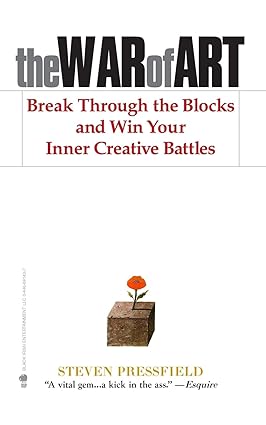
Brief Summary
Steven Pressfield identifies “Resistance” as the inner force that keeps you from doing your best work and offers strategies to overcome it.
Why This Builds Confidence Shows you how consistently defeating Resistance builds momentum and self-belief in your creative and professional pursuits.
Notable Quote “The most important thing about art is to work. Nothing else matters.”
Who This Book Is For Creative professionals and entrepreneurs who struggle with procrastination and need practical motivation to persist.
Social Confidence and Communication
Confident communication is essential in professional and personal spheres. These books provide skills to interact with clarity, empathy and assertiveness.
We earn a commission if you make a purchase, at no additional cost to you.
02/07/2026 10:01 am GMT
Brief Summary
A classic guide to effective communication and building rapport through empathy, active listening and genuine interest.
Why This Builds Confidence Mastering interpersonal skills reduces social anxiety and reinforces your belief in handling social situations.
Notable Quote “You can make more friends in two months by becoming interested in other people than you can in two years by trying to get other people interested in you.”
Who This Book Is For Those looking to improve networking, leadership or everyday relationship skills with proven, time-tested principles.
What books actually help build confidence? Books that combine mindset frameworks, practical exercises and real examples like Mindset, Atomic Habits and The Confidence Gap are most effective.
Can reading really improve confidence? Yes, reading alone changes thinking. Applying book concepts through small daily actions solidifies new beliefs and skills, which builds confidence.
What should I read if I lack self-belief? Start with mindset books like Mindset by Carol Dweck or Feel the Fear and Do It Anyway by Susan Jeffers to reframe negative self-talk.
Are confidence books worth it? They are worth it if you choose the right title for your current challenge and commit to practicing the suggested exercises consistently.
How many confidence books should you read? Focus on one or two books at a time. Fully apply their principles before moving to the next, ensuring you build confidence through practice rather than information overload.
Conclusion
Building confidence is a process of action, reflection and steady progress. These 15 books to build confidence cover the essential pillars you need: adopting a growth mindset, mastering productive habits, communicating with clarity, managing emotions and finding purpose. No single book is a magic cure; each offers tools for different stages of your journey. Choose the one that speaks to your most pressing challenge, apply its lessons and celebrate your small wins. With patience and persistence, you will transform knowledge into real, lasting confidence. Find out more at Your Bro.
Affiliate Disclosure: This article contains affiliate links. If you purchase a book through these links, we may earn a commission at no extra cost to you. We recommend these books because they are valuable, not because of the commission.
In an age of endless information and fleeting content, the act of reading a book remains a powerful investment in yourself. Books are condensed sources of knowledge, perspective, and wisdom, offering a structured path to understanding complex ideas about life, work, and the world. This list of 100 books every person should read was assembled to provide a practical roadmap for personal and intellectual growth.
This collection is for men in their 20s to 40s who value their time and seek tangible returns on their reading. It is not an arbitrary list of classics. Instead, it is a carefully organised library spanning personal growth, philosophy, history, classic literature, and modern non-fiction. Each category and every book was selected to address specific challenges and opportunities relevant today: navigating career shifts, building meaningful relationships, developing mental clarity, and understanding the systems that shape our world. The goal is to move beyond abstract advice and provide a toolkit of actionable insights to help you think better, make more informed decisions, and build a more intentional life.
Self-Help, Psychology & Personal Growth
This section focuses on the mechanics of the mind and the systems for self-improvement. These books provide practical frameworks for building better habits, understanding your emotions, developing resilience, and overcoming the internal obstacles that limit your potential. They are tools for building a more effective and intentional life from the inside out.
We earn a commission if you make a purchase, at no additional cost to you.
02/07/2026 11:31 am GMT
Brief Summary This book provides a practical framework for improving every day. James Clear explains how small, incremental changes (atomic habits) compound over time to produce remarkable results. He introduces the Four Laws of Behaviour Change to make good habits inevitable and bad habits impossible.
Notable Quote “You do not rise to the level of your goals. You fall to the level of your systems.”
Interesting Fact About the Author Before becoming a bestselling author, James Clear was an acclaimed photographer who travelled to over 30 countries. This experience in observing human behaviour in different cultures informs his work on habits.
What You Can Expect to Learn How to build a system for continuous improvement, overcome a lack of motivation, design your environment for success, and get back on track when you fail. To further enrich your reading journey, you might also want to explore other highly-rated productivity books.
We earn a commission if you make a purchase, at no additional cost to you.
02/07/2026 05:45 am GMT
Brief Summary Psychiatrist Viktor Frankl reflects on his experiences as a prisoner in Nazi concentration camps. He argues that the primary human drive is not pleasure, but the pursuit of what we find meaningful. The book is a lesson in finding purpose even in the most extreme suffering.
Notable Quote “Everything can be taken from a man but one thing: the last of the human freedoms, to choose one’s attitude in any given set of circumstances, to choose one’s own way.”
Interesting Fact About the Author Frankl developed his therapeutic theory, logotherapy, before he was imprisoned. His experiences in the camps served as a brutal but powerful validation of his ideas about the importance of meaning.
What You Can Expect to Learn A framework for finding meaning in your life, how to endure suffering with resilience, and the concept that your attitude is your ultimate freedom. It offers a powerful perspective when grappling with what is the purpose and meaning of life.
We earn a commission if you make a purchase, at no additional cost to you.
02/07/2026 11:31 am GMT
Brief Summary Covey presents a principle-centred approach to personal and professional effectiveness. The seven habits progress from dependence to independence to interdependence, creating a holistic framework for a life of integrity and purpose.
Notable Quote “Start with the end in mind.”
Interesting Fact About the Author Stephen Covey held an MBA from Harvard and a doctorate from Brigham Young University. His deep grounding in both business and ethics gave his work its unique blend of practical advice and character-based philosophy.
What You Can Expect to Learn How to be proactive and take responsibility, prioritise tasks based on importance rather than urgency, and build effective, trust-based relationships.
We earn a commission if you make a purchase, at no additional cost to you.
02/07/2026 10:00 am GMT
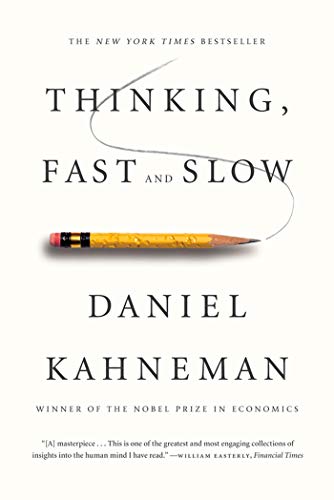
Brief Summary Nobel laureate Daniel Kahneman explains the two systems that drive how we think: System 1 (fast and intuitive) and System 2 (slow and logical). He reveals the cognitive biases that shape our judgments and decisions, often without our awareness.
Notable Quote “Our comforting conviction that the world makes sense rests on a secure foundation: our almost unlimited ability to ignore our ignorance.”
Interesting Fact About the Author Kahneman and his long-time collaborator Amos Tversky were Israeli psychologists whose work laid the foundation for the field of behavioural economics, fundamentally changing how we understand human decision-making.
What You Can Expect to Learn How to recognise your own cognitive biases, make more rational decisions, and understand why human intuition can be both brilliant and flawed.
We earn a commission if you make a purchase, at no additional cost to you.
02/07/2026 10:00 am GMT
Brief Summary Researcher Brené Brown challenges the cultural myth that vulnerability is a weakness. Based on over a decade of research, she argues that vulnerability is our most accurate measure of courage and the birthplace of innovation, creativity, and love.
Notable Quote “Vulnerability is not winning or losing; it’s having the courage to show up and be seen when we have no control over the outcome.”
Interesting Fact About the Author Before her global fame, Brown spent years as a social work researcher, quietly studying difficult topics like shame and empathy. Her 2010 TEDx talk on vulnerability went viral, launching her work into the mainstream.
What You Can Expect to Learn How to embrace vulnerability as a strength, combat shame and perfectionism, and cultivate more authentic and courageous relationships.
We earn a commission if you make a purchase, at no additional cost to you.
02/07/2026 10:00 am GMT
Brief Summary This book is a guide to spiritual enlightenment through living in the present moment. Tolle explains how the human mind creates suffering by dwelling on the past and worrying about the future, and he offers practical ways to quiet the ego and find peace in the now.
Notable Quote “Realize deeply that the present moment is all you ever have. Make the NOW the primary focus of your life.”
Interesting Fact About the Author Eckhart Tolle (born Ulrich Tolle) experienced a profound inner transformation at age 29 after a long period of depression. He spent years wandering and sitting on park benches in a state of deep peace before becoming a spiritual teacher.
What You Can Expect to Learn Techniques to reduce anxiety and overthinking, how to disidentify from your ego and thoughts, and a pathway to greater presence and inner peace.
We earn a commission if you make a purchase, at no additional cost to you.
02/07/2026 10:00 am GMT
Brief Summary Daniel Goleman argues that emotional intelligence (EQ) is a more significant predictor of success than IQ. He breaks down EQ into five key skills: self-awareness, self-regulation, motivation, empathy, and social skill.
Notable Quote “If your emotional abilities aren’t in hand, if you don’t have self-awareness, if you are not able to manage your distressing emotions, if you can’t have empathy and have effective relationships, then no matter how smart you are, you are not going to get very far.”
Interesting Fact About the Author Goleman was a science journalist for The New York Times, where he reported on the brain and behavioural sciences. This background allowed him to synthesise complex psychological research for a general audience.
What You Can Expect to Learn How to understand and manage your own emotions, recognise and influence the emotions of others, and improve your personal and professional relationships. You can learn how to improve your emotional intelligence with more specific strategies.
We earn a commission if you make a purchase, at no additional cost to you.
02/07/2026 10:01 am GMT
Brief Summary Psychologist Carol Dweck explains the power of our mindset. She contrasts a “fixed mindset” (believing abilities are static) with a “growth mindset” (believing abilities can be developed). This simple idea has profound implications for every area of life.
Notable Quote “The view you adopt for yourself profoundly affects the way you lead your life.”
Interesting Fact About the Author Dweck’s research on mindset was initially inspired by observing how young children reacted to failure. Some were devastated, while others saw it as a challenge and an opportunity to learn.
What You Can Expect to Learn How to identify your own mindset, cultivate a growth mindset in yourself and others, and use challenges and criticism as opportunities for growth.
We earn a commission if you make a purchase, at no additional cost to you.
02/07/2026 10:01 am GMT
Brief Summary This book explores “flow,” the state of complete absorption in an activity, also known as being “in the zone.” Csikszentmihalyi explains the conditions that create flow and how we can structure our lives to experience it more often, leading to greater happiness and fulfilment.
Notable Quote “The best moments in our lives are not the passive, receptive, relaxing times… The best moments usually occur if a person’s body or mind is stretched to its limits in a voluntary effort to accomplish something difficult and worthwhile.”
Interesting Fact About the Author The author’s name is pronounced “Me-high Cheek-sent-me-high.” He was a leading figure in positive psychology and conducted decades of research using pagers to ping people and record their feelings and activities in real time.
What You Can Expect to Learn How to find states of deep engagement and enjoyment in work and leisure, structure activities to induce flow, and turn mundane experiences into meaningful ones.
We earn a commission if you make a purchase, at no additional cost to you.
02/07/2026 10:01 am GMT
Brief Summary Drawing on the principles of Stoicism, Ryan Holiday argues that the challenges we face are not impediments but opportunities for growth. He provides a framework for turning adversity into advantage by controlling our perceptions, taking deliberate action, and exercising our will.
Notable Quote “The obstacle in the path becomes the path. Never forget, within every obstacle is an opportunity to improve our condition.”
Interesting Fact About the Author Holiday dropped out of college at 19 to apprentice under author Robert Greene. He later became the director of marketing for American Apparel, applying Stoic principles to navigate high-pressure business environments.
What You Can Expect to Learn A practical method for overcoming adversity, how to reframe problems as opportunities, and how to build mental resilience.
We earn a commission if you make a purchase, at no additional cost to you.
02/07/2026 10:01 am GMT
Brief Summary A timeless classic on human interaction, this book provides fundamental principles for handling people, making them like you, winning them to your way of thinking, and changing them without causing resentment. It is a practical guide to improving your social skills.
Notable Quote “You can make more friends in two months by becoming interested in other people than you can in two years by trying to get other people interested in you.”
Interesting Fact About the Author Dale Carnegie (originally Carnagey) began his career as a travelling salesman before teaching public speaking courses in New York. The principles in his book were developed and refined over years of teaching adults how to improve their confidence and communication.
What You Can Expect to Learn Actionable techniques for becoming a better listener, making a strong first impression, handling disagreements gracefully, and building stronger relationships.
We earn a commission if you make a purchase, at no additional cost to you.
02/07/2026 10:01 am GMT
Brief Summary This book provides a toolkit for handling high-stakes conversations where opinions vary and emotions run strong. It teaches a step-by-step methodology for creating safety, speaking persuasively, and achieving dialogue rather than argument.
Notable Quote “When it comes to risky, controversial, and emotional conversations, skilled people find a way to get all relevant information out into the open.”
Interesting Fact About the Author The authors are the co-founders of VitalSmarts, a corporate training company. Their research involved studying the communication habits of top performers to identify what they did differently during difficult conversations.
What You Can Expect to Learn How to prepare for high-stakes discussions, manage your emotions under pressure, and foster open dialogue to solve problems in relationships and at work.
We earn a commission if you make a purchase, at no additional cost to you.
02/07/2026 11:31 am GMT
Brief Summary Psychologist Angela Duckworth argues that the secret to outstanding achievement is not talent but a special blend of passion and persistence she calls “grit.” She shows that our ability to stick with our long-term goals is a key predictor of success.
Notable Quote “Grit is passion and perseverance for very long-term goals. Grit is having stamina. Grit is sticking with your future, day in, day out, not just for the week, not just for the month, but for years, and working really hard to make that future a reality.”
Interesting Fact About the Author Duckworth is a recipient of a MacArthur “Genius Grant” for her research on grit. Before becoming a psychologist, she worked as a management consultant and a math teacher in public schools.
What You Can Expect to Learn The importance of long-term persistence over short-term intensity, how to cultivate grit in yourself, and how passion and practice contribute to high achievement.
We earn a commission if you make a purchase, at no additional cost to you.
02/07/2026 11:31 am GMT
Brief Summary Essentialism is not about getting more done; it’s about getting the right things done. McKeown presents a systematic discipline for discerning what is absolutely essential, then eliminating everything that is not, so we can make the highest possible contribution.Notable Quote “If you don’t prioritize your life, someone else will.”
Interesting Fact About the Author McKeown developed the principles of Essentialism while working as a leadership consultant in Silicon Valley, where he observed that many of the most successful people were not the ones who did the most, but the ones who were most focused.
What You Can Expect to Learn How to say no gracefully, distinguish the vital few from the trivial many, and focus your time and energy on what truly matters.
We earn a commission if you make a purchase, at no additional cost to you.
02/07/2026 11:31 am GMT
Brief Summary A leading expert on trauma, Dr. van der Kolk explains how traumatic stress literally reshapes the body and brain, compromising sufferers’ capacities for pleasure, engagement, self-control, and trust. He explores innovative treatments that help “rewire” the brain and heal the body.
Notable Quote “As long as you keep secrets and suppress information, you are fundamentally at war with yourself.”
Interesting Fact About the Author Bessel van der Kolk has been a practising psychiatrist and trauma researcher for over three decades. His work has been instrumental in shifting the understanding of trauma from a purely mental event to one that deeply involves the body.
What You Can Expect to Learn A deep understanding of how trauma affects the mind and body, the limitations of traditional talk therapy, and the potential of body-centred therapies like yoga and EMDR for healing.
We earn a commission if you make a purchase, at no additional cost to you.
02/07/2026 11:31 am GMT
Brief Summary This book offers a simple yet powerful communication framework for resolving conflict peacefully. It focuses on expressing our own needs and hearing the needs of others through honest, empathetic connection, moving beyond blame and judgment.
Notable Quote “What I want in my life is compassion, a flow between myself and others based on a mutual giving from the heart.”
Interesting Fact About the Author Marshall Rosenberg was a clinical psychologist who developed Nonviolent Communication (NVC) while working with civil rights activists in the 1960s. He went on to mediate conflicts in war-torn regions around the world.
What You Can Expect to Learn A four-step process for communicating more effectively, how to express yourself without provoking defensiveness, and how to listen with deep empathy. It provides tools for better emotional intelligence in relationships.
We earn a commission if you make a purchase, at no additional cost to you.
02/07/2026 04:01 am GMT
Brief Summary Cal Newport argues that the ability to focus without distraction on a cognitively demanding task (deep work) is becoming increasingly rare and valuable. He provides a framework and strategies for cultivating this skill in a world full of distractions.
Notable Quote “Who you are, what you think, feel, and do, what you love, is the sum of what you focus on.”
Interesting Fact About the Author Cal Newport is a computer science professor at Georgetown University who does not have a social media account. His advocacy for deep work is rooted in his own experience as a productive academic and writer.
What You Can Expect to Learn How to schedule and execute periods of intense focus, train your ability to concentrate, and structure your work life to produce high-value output.
We earn a commission if you make a purchase, at no additional cost to you.
02/07/2026 11:31 am GMT
Brief Summary Social psychologist Jonathan Haidt explores ten “Great Ideas” about happiness that have been discovered by thinkers of the past. He examines these ancient wisdoms through the lens of modern science, offering a nuanced and evidence-based guide to finding happiness and meaning.
Notable Quote “Happiness is not something that you can find, acquire, or achieve directly. You have to get the conditions right and then wait.”
Interesting Fact About the Author Haidt uses the metaphor of an elephant (our automatic, emotional processes) and a rider (our conscious, rational mind) to explain the relationship between our intuition and our reasoning, a central theme in the book.
What You Can Expect to Learn A science-backed understanding of what contributes to happiness, how ancient philosophy aligns with modern psychology, and practical ways to improve your well-being.
We earn a commission if you make a purchase, at no additional cost to you.
02/07/2026 11:31 am GMT
Brief Summary Susan Cain argues that we dramatically undervalue introverts and shows how much we lose in doing so. She charts the rise of the “Extrovert Ideal” in the 20th century and explores the unique strengths that introverts bring to the world.
Notable Quote “There’s zero correlation between being the best talker and having the best ideas.”
Interesting Fact About the Author Susan Cain was a corporate lawyer and negotiations consultant for seven years before she left to write Quiet. She has described herself as an introvert who had to learn to act like an extrovert in her career.
What You Can Expect to Learn The differences between introversion and shyness, how to leverage the strengths of introverted personality types, and how to create environments where introverts can thrive.
We earn a commission if you make a purchase, at no additional cost to you.
02/07/2026 11:31 am GMT
Brief Summary Harvard psychologist Daniel Gilbert explains that our brains have a built-in “prediction machine” that systematically misjudges what will make us happy in the future. He uses humour and fascinating research to reveal why we are so bad at forecasting our own emotional lives.
Notable Quote “The human being is the only animal that thinks about the future.”
Interesting Fact About the Author Gilbert dropped out of high school at 15 and spent a decade trying to be a science fiction writer before going to college. This non-traditional path may contribute to his engaging and accessible writing style.
What You Can Expect to Learn Why your imagination is a poor guide to future happiness, the cognitive biases that affect your predictions, and a more realistic understanding of how to pursue well-being.
This category explores the big questions: How should we live? What is a good society? What gives life meaning? These books are foundational texts that challenge our assumptions about morality, purpose, and our place in the world. They provide the intellectual frameworks for thinking more deeply about your values and the systems that shape human experience.
We earn a commission if you make a purchase, at no additional cost to you.
02/07/2026 11:31 am GMT
Brief Summary This is the private journal of a Roman Emperor, written as a source of guidance and self-improvement. Marcus Aurelius reflects on Stoic philosophy as a practical tool for finding tranquility and purpose in the midst of duty and chaos.
Notable Quote “You have power over your mind, not outside events. Realize this, and you will find strength.”
Interesting Fact About the Author Marcus Aurelius wrote Meditations for himself, likely during his military campaigns along the Danube river. It was never intended for publication, which gives it a raw, honest quality.
What You Can Expect to Learn Practical Stoic exercises for managing emotions, how to focus on what you can control, and a timeless guide to living a life of virtue and resilience.
We earn a commission if you make a purchase, at no additional cost to you.
02/07/2026 11:31 am GMT
Brief Summary A philosophical novel about an Andalusian shepherd boy named Santiago who travels from Spain to the Egyptian desert in search of a treasure. His journey becomes a quest for his “Personal Legend,” teaching him to listen to his heart and follow his dreams.
Notable Quote “And, when you want something, all the universe conspires in helping you to achieve it.”
Interesting Fact About the Author Paulo Coelho wrote The Alchemist in only two weeks in 1987. He explained that the story was “already written in his soul.”
What You Can Expect to Learn Metaphorical lessons about pursuing your purpose, the importance of the journey over the destination, and how to recognise and act on life’s omens.
We earn a commission if you make a purchase, at no additional cost to you.
02/07/2026 11:31 am GMT
Brief Summary Harari traces the entire history of Homo sapiens, from our earliest ancestors to the present day. He argues that our ability to cooperate flexibly in large numbers, based on shared myths and fictions like money, religion, and nations, is what allowed us to dominate the planet.
Notable Quote “We are the only species on Earth that can cooperate in very large numbers, and that’s because we believe in stories.”
Interesting Fact About the Author Yuval Noah Harari is a history professor at the Hebrew University of Jerusalem. He is also a long-time practitioner of Vipassana meditation, which he credits with helping him maintain clarity and focus.
What You Can Expect to Learn A sweeping perspective on human history, how shared fictions shape our societies, and critical questions about the future of humanity.
We earn a commission if you make a purchase, at no additional cost to you.
02/07/2026 11:32 am GMT
Brief Summary This novel follows the spiritual journey of a man named Siddhartha during the time of the Buddha. Siddhartha leaves his home to seek enlightenment, exploring the paths of asceticism, wealth, and worldly love before finding wisdom on his own terms.
Notable Quote “Wisdom cannot be imparted. Wisdom that a wise man attempts to impart always sounds like foolishness to someone else.”
Interesting Fact About the Author Hermann Hesse had a deep interest in Eastern spirituality and philosophy, which was unusual for a German writer in the early 20th century. His work often explores the conflict between the individual and society, and the search for authentic selfhood.
What You Can Expect to Learn Insights into the nature of enlightenment, the idea that wisdom must be experienced rather than taught, and the value of forging your own path.
We earn a commission if you make a purchase, at no additional cost to you.
02/07/2026 01:05 pm GMT
Brief Summary One of the most influential works of philosophy and political theory ever written. Through a series of dialogues led by his teacher Socrates, Plato explores the meaning of justice and sketches out his vision for an ideal state ruled by philosopher-kings.
Notable Quote “The heaviest penalty for declining to rule is to be ruled by someone inferior to yourself.”
Interesting Fact About the Author Plato was a student of Socrates and the teacher of Aristotle. Much of what we know about Socrates comes from Plato’s dialogues, as Socrates himself wrote nothing down.
What You Can Expect to Learn Foundational concepts in Western philosophy, including the Theory of Forms and the Allegory of the Cave, and enduring questions about justice, power, and the nature of a good society.
We earn a commission if you make a purchase, at no additional cost to you.
02/07/2026 02:07 pm GMT
Brief Summary In this work, Aristotle explores the question of how humans can best live. He argues that the ultimate goal of human life is eudaimonia (often translated as happiness or flourishing), which is achieved through the cultivation of virtue and rational activity.
Notable Quote “We are what we repeatedly do. Excellence, then, is not an act, but a habit.”
Interesting Fact About the Author Aristotle was the tutor of Alexander the Great. His writings covered an immense range of subjects, from logic and biology to ethics and politics, and he is considered one of the founding figures of Western philosophy.
What You Can Expect to Learn A framework for ethical living based on virtue and character, the concept of finding the “golden mean” between extremes, and the importance of habit in building a good life.
We earn a commission if you make a purchase, at no additional cost to you.
02/07/2026 02:07 pm GMT
Brief Summary In this concise Stoic essay, Seneca argues that we are not given a short life but that we make it short by wasting our time on trivial pursuits. He urges the reader to live with purpose and to treat time as their most valuable possession.
Notable Quote “It is not that we have a short time to live, but that we waste a lot of it.”
Interesting Fact About the Author Seneca was a wealthy and powerful statesman in ancient Rome, serving as an advisor to the emperor Nero. He was later forced to commit suicide by Nero, facing his death with the Stoic calm he preached.
What You Can Expect to Learn A powerful perspective on the value of time, practical advice for living a more meaningful and focused life, and the Stoic approach to mortality.
We earn a commission if you make a purchase, at no additional cost to you.
02/07/2026 02:07 pm GMT
Brief Summary Rousseau argues that a legitimate state must be based on a “social contract,” an agreement among the people to be governed by their general will. This radical idea of popular sovereignty became a cornerstone of modern democratic thought.
Notable Quote “Man is born free, and everywhere he is in chains.”
Interesting Fact About the Author Rousseau was a complex and often contradictory figure. He wrote a famous treatise on child-rearing (Emile) but sent his own five children to an orphanage.
What You Can Expect to Learn The philosophical foundations of modern democracy, key concepts like the “general will” and popular sovereignty, and a critical perspective on the relationship between the individual and the state.
We earn a commission if you make a purchase, at no additional cost to you.
02/07/2026 02:07 pm GMT
Brief Summary In this provocative work, Nietzsche critiques traditional morality, arguing that concepts of “good” and “evil” are human inventions. He challenges the reader to move “beyond” these simple binaries and create their own values in a world without divine guidance.
Notable Quote “He who fights with monsters should be careful lest he thereby become a monster. And if you gaze long into an abyss, the abyss will also gaze into you.”
Interesting Fact About the Author Nietzsche’s work was largely ignored during his lifetime, and he suffered a mental breakdown in 1889 from which he never recovered. His ideas became hugely influential only after his death, though they were distorted and misappropriated by the Nazis.
What You Can Expect to Learn A challenging critique of traditional philosophy and morality, concepts like the “will to power,” and an introduction to existentialist thought.
We earn a commission if you make a purchase, at no additional cost to you.
02/07/2026 02:07 pm GMT
Brief Summary This novel tells the story of Meursault, an emotionally detached French Algerian man who, after an act of violence, is put on trial. The book is a powerful exploration of absurdism, the conflict between humanity’s search for meaning and the universe’s silent indifference.
Notable Quote “I opened myself to the gentle indifference of the world.”
Interesting Fact About the Author Albert Camus was a key figure in the philosophy of absurdism and won the Nobel Prize in Literature in 1957. He was also an active member of the French Resistance during World War II.
What You Can Expect to Learn An introduction to the philosophy of the absurd, a powerful meditation on alienation and conformity, and a perspective on finding freedom in a meaningless universe.
We earn a commission if you make a purchase, at no additional cost to you.
02/07/2026 02:07 pm GMT
Brief Summary This book is part philosophical inquiry, part travelogue. The narrator’s cross-country motorcycle trip with his son becomes a vehicle for exploring the meaning of “Quality” and the split between rational, technological thinking and romantic, artistic approaches to life.
Notable Quote “The place to improve the world is first in one’s own heart and head and hands, and then work outward from there.”
Interesting Fact About the Author Robert Pirsig spent time in a mental institution where he underwent electroconvulsive therapy. The book’s exploration of his past self, “Phaedrus,” is semi-autobiographical.
What You Can Expect to Learn A unique blend of Eastern and Western philosophy, a deep exploration of the concept of “Quality,” and a way to bridge the gap between technology and humanism.
We earn a commission if you make a purchase, at no additional cost to you.
02/07/2026 02:07 pm GMT
Brief Summary A philosophical novel that serves as an introduction to Nietzsche’s central ideas, including the “death of God,” the “Übermensch” (Overman), and the “will to power.” It is written in a poetic, prophetic style, following the journey of the sage Zarathustra.
Notable Quote “Man is something that shall be overcome.”
Interesting Fact About the Author Nietzsche considered this his most important work. Its unique literary style, blending philosophy with poetry and narrative, makes it one of his most challenging but rewarding books.
What You Can Expect to Learn Nietzsche’s vision for a new kind of human being who creates their own values, a poetic exploration of existential themes, and a critique of traditional religion and herd mentality.
We earn a commission if you make a purchase, at no additional cost to you.
02/07/2026 02:07 pm GMT
Brief Summary A foundational text of second-wave feminism. De Beauvoir provides a detailed analysis of women’s oppression, arguing that “one is not born, but rather becomes, a woman.” She examines how women have historically been defined as the “Other” in a male-dominated world.
Notable Quote “All oppression creates a state of war.”
Interesting Fact About the Author Simone de Beauvoir had a lifelong, open relationship with the philosopher Jean-Paul Sartre. They were intellectual partners who profoundly influenced each other’s work but never married or lived together.
What You Can Expect to Learn A deep understanding of the historical and social construction of gender, the philosophical underpinnings of feminism, and a critical lens for analysing power dynamics in society.
We earn a commission if you make a purchase, at no additional cost to you.
02/07/2026 02:07 pm GMT
Brief Summary This is an account of Thoreau’s two years living in a cabin he built by Walden Pond. It is a classic of American literature that reflects on simple living, self-reliance, and the importance of connecting with nature to discover one’s true self.
Notable Quote “I went to the woods because I wished to live deliberately, to front only the essential facts of life, and see if I could not learn what it had to teach, and not, when I came to die, discover that I had not lived.”
Interesting Fact About the Author During his time at Walden, Thoreau spent a night in jail for refusing to pay a poll tax that supported the Mexican-American War and slavery. This experience inspired his famous essay “Civil Disobedience.”
What You Can Expect to Learn The principles of transcendentalism, a powerful argument for simplifying your life, and inspiration to question societal norms and live more authentically.
We earn a commission if you make a purchase, at no additional cost to you.
02/07/2026 02:08 pm GMT
Brief Summary In this philosophical essay, Camus introduces his concept of the absurd. He argues that the fundamental conflict is between our human desire for meaning and the universe’s silent, meaningless nature. He concludes that we must embrace this absurdity and live in revolt, freedom, and passion.
Notable Quote “The struggle itself toward the heights is enough to fill a man’s heart. One must imagine Sisyphus happy.”
Interesting Fact About the Author Camus uses the ancient Greek myth of Sisyphus, who was condemned to eternally roll a boulder up a hill only to have it roll back down, as the ultimate metaphor for the absurd human condition.
What You Can Expect to Learn A clear explanation of absurdism, a framework for finding meaning and purpose in a world without inherent meaning, and a powerful case for embracing life despite its inherent contradictions.
Understanding the past and the systems of power that shape the present is crucial for informed citizenship. This section includes books that explain the grand sweep of history, the mechanics of politics, the strategies of conflict, and the nature of power itself. They provide the context needed to understand today’s headlines and navigate a complex world.
We earn a commission if you make a purchase, at no additional cost to you.
02/07/2026 02:08 pm GMT
Brief Summary A 16th-century political treatise that offers pragmatic, and often ruthless, advice on how a ruler can acquire and maintain power. Machiavelli argues that the ends justify the means, and a leader must be willing to act immorally to achieve the stability of the state.
Notable Quote “It is better to be feared than loved, if you cannot be both.”
Interesting Fact About the Author Machiavelli wrote The Prince while in exile, hoping to win back the favour of the ruling Medici family in Florence. The book failed to achieve this goal and was only published after his death.
What You Can Expect to Learn A classic, unsentimental analysis of political power, the distinction between private morality and the requirements of rule, and insights into the darker aspects of leadership and human nature.
We earn a commission if you make a purchase, at no additional cost to you.
02/07/2026 02:08 pm GMT
Brief Summary An ancient Chinese military treatise that has become a classic text on strategy. Its principles of knowing your enemy, preparing meticulously, and using deception and psychological tactics have been applied to everything from business negotiations to personal development.
Notable Quote “The supreme art of war is to subdue the enemy without fighting.”
Interesting Fact About the Author The historical existence of Sun Tzu is uncertain. The work is likely a compilation of military strategies from different authors and generals over a period of time during China’s Warring States period.
What You Can Expect to Learn Timeless principles of strategy and tactics, the importance of planning and intelligence, and how to achieve objectives with minimal conflict and resource expenditure.
We earn a commission if you make a purchase, at no additional cost to you.
02/07/2026 02:08 pm GMT
Brief Summary Jared Diamond seeks to answer why Eurasian civilizations have dominated human history. He argues that the disparities in power and technology are not due to racial or cultural superiority, but to differences in environmental geography, which influenced the development of agriculture, domesticated animals, and immunity to diseases.
Notable Quote “History followed different courses for different peoples because of differences among peoples’ environments, not because of biological differences among peoples themselves.”
Interesting Fact About the Author Jared Diamond is a professor of geography at UCLA with a background in physiology and evolutionary biology. His interdisciplinary approach allows him to connect seemingly unrelated fields to explain broad historical patterns.
What You Can Expect to Learn A powerful argument for the role of geography in shaping history, a grand-narrative explanation for global inequality, and a new way of looking at the rise and fall of civilizations.
We earn a commission if you make a purchase, at no additional cost to you.
02/07/2026 02:08 pm GMT
Brief Summary This book retells American history from the perspective of marginalised groups: workers, African Americans, Native Americans, women, and immigrants. Zinn challenges the traditional “great men” narrative and focuses on the struggles for justice and equality from the bottom up.
Notable Quote “The cry of the poor is not always just, but if you don’t listen to it, you will never know what justice is.”
Interesting Fact About the Author Howard Zinn was a bombardier in the US Army Air Force during World War II. His experience bombing a French town near the end of the war profoundly shaped his anti-war views and his desire to tell history from the perspective of its victims.
What You Can Expect to Learn A critical, alternative perspective on American history, a deeper understanding of social and political conflicts, and an appreciation for the role of popular movements in shaping a nation.
We earn a commission if you make a purchase, at no additional cost to you.
02/07/2026 02:08 pm GMT
Brief Summary A monumental and harrowing account of the Soviet forced labour camp system (the Gulag). Based on Solzhenitsyn’s own experiences as a prisoner and the testimony of hundreds of others, it is a powerful indictment of totalitarianism and a testament to the resilience of the human spirit.
Notable Quote “The line separating good and evil passes not through states, nor between classes, nor between political parties either, but right through every human heart.”
Interesting Fact About the Author Solzhenitsyn wrote parts of the book in secret on scraps of paper while he was a prisoner. The manuscript was smuggled out of the Soviet Union and published in the West in 1973, for which he was exiled.
What You Can Expect to Learn The brutal reality of the Soviet regime, a profound meditation on the nature of good and evil, and a warning about the dangers of ideology and state power.
We earn a commission if you make a purchase, at no additional cost to you.
Brief Summary A comprehensive and detailed history of Nazi Germany, from Adolf Hitler’s birth to the end of World War II. As a journalist stationed in Berlin during the 1930s, Shirer provides a unique eyewitness perspective combined with meticulous research from captured Nazi documents.
Notable Quote “A thousand years will pass and the guilt of Germany will not be erased.”
Interesting Fact About the Author William L. Shirer was a foreign correspondent for CBS radio. His live broadcasts from Berlin and other European capitals gave many Americans their first real understanding of the growing threat of Nazism.
What You Can Expect to Learn A definitive account of one of the darkest periods in modern history, insights into the mechanics of propaganda and totalitarian control, and the historical context for World War II.
We earn a commission if you make a purchase, at no additional cost to you.
02/07/2026 02:08 pm GMT
Brief Summary In this short, powerful book, historian Timothy Snyder draws on the history of the 20th century to provide twenty practical lessons on how to recognise and resist the rise of tyranny in our own time. It is a citizen’s guide to defending democracy.
Notable Quote “The seemingly abstract nature of truth is in fact the most concrete of our values.”
Interesting Fact About the Author Snyder is a professor of history at Yale University specializing in the history of Central and Eastern Europe and the Holocaust. He wrote this book quickly in response to the 2016 US presidential election, and it became an instant bestseller.
What You Can Expect to Learn Actionable steps for defending democratic institutions, the warning signs of authoritarianism, and the importance of individual responsibility in preserving freedom.
We earn a commission if you make a purchase, at no additional cost to you.
02/07/2026 02:08 pm GMT
Brief Summary A pragmatic and amoral guide to the dynamics of power. Greene distills 3,000 years of history into 48 “laws,” drawing on the lives of figures like Machiavelli, Sun Tzu, and Napoleon to illustrate the principles of gaining, observing, and defending against power.
Notable Quote “Never outshine the master.”
Interesting Fact About the Author Before becoming a writer, Robert Greene worked a variety of jobs, including as a construction worker, translator, and Hollywood movie writer. He claims this diverse experience helped him observe power dynamics in many different contexts.
What You Can Expect to Learn How to recognise and navigate power dynamics in any social or professional setting, strategies for advancing your own interests, and how to defend yourself against manipulation.
We earn a commission if you make a purchase, at no additional cost to you.
02/07/2026 02:08 pm GMT
Brief Summary This book presents the “propaganda model” of media, arguing that in a democratic society, the news media act as a system for disseminating propaganda. The authors outline five “filters” (ownership, advertising, sourcing, etc.) that shape news content to serve the interests of the powerful.
Notable Quote “The beauty of the system, however, is that such dissent and inconvenient information are kept within bounds and at the margins, so that while their presence shows that the system is not monolithic, they are not large enough to interfere unduly with the domination of the official agenda.”
Interesting Fact About the Author Noam Chomsky is a linguist and political activist who is one of the most cited scholars in modern history. His work has been highly influential in both academia and grassroots political movements.
What You Can Expect to Learn A critical framework for analysing the news media, how economic and political interests shape the information you receive, and the importance of seeking out alternative sources of information.
We earn a commission if you make a purchase, at no additional cost to you.
02/07/2026 02:08 pm GMT
Brief Summary One of the most influential political documents in history. This short pamphlet outlines the theory of class struggle, arguing that history is a story of conflict between the bourgeoisie (owners) and the proletariat (workers), and predicts the eventual overthrow of capitalism by a communist revolution.
Notable Quote “The history of all hitherto existing society is the history of class struggles.”
Interesting Fact About the Author When the Manifesto was published in 1848, it had little immediate impact. Its ideas only became globally influential decades later, inspiring revolutions and political movements around the world.
What You Can Expect to Learn The core principles of Marxism, including historical materialism and class conflict, and the foundational arguments that have shaped socialist and communist thought for over 150 years.
We earn a commission if you make a purchase, at no additional cost to you.
02/07/2026 02:08 pm GMT
Brief Summary A history of the American West told from the perspective of Native Americans. Using council records, autobiographies, and firsthand descriptions, Brown chronicles the systematic destruction of Native American culture and freedom between 1860 and 1890.
Notable Quote “They made us many promises, more than I can remember, but they never kept but one; they promised to take our land, and they took it.”
Interesting Fact About the Author Dee Brown was a librarian at the University of Illinois for many years. His access to a vast collection of historical documents allowed him to conduct the extensive research needed to write this groundbreaking book.
What You Can Expect to Learn A powerful and often brutal corrective to the romanticised myth of the American West, a deeper understanding of the history of Native Americans, and a story of resistance and resilience.
We earn a commission if you make a purchase, at no additional cost to you.
02/07/2026 02:08 pm GMT
Brief Summary A landmark work of postcolonial theory. Said argues that the Western concept of “the Orient” is a constructed idea, a collection of stereotypes and fantasies that has been used to justify colonial and imperial ambitions. He shows how this “Orientalist” discourse shapes how the West views the Middle East.
Notable Quote “The Orient was almost a European invention, and had been since antiquity a place of romance, exotic beings, haunting memories and landscapes, remarkable experiences.”
Interesting Fact About the Author Edward Said was a professor of literature at Columbia University and a prominent public intellectual and advocate for Palestinian rights. Orientalism drew on his deep knowledge of both Western literature and Middle Eastern politics.
What You Can Expect to Learn How cultural representations can be tools of power, a critical lens for analysing Western depictions of non-Western cultures, and the foundations of postcolonial studies.
We earn a commission if you make a purchase, at no additional cost to you.
02/07/2026 02:08 pm GMT
Brief Summary The ancient Greek historian Thucydides’ account of the 27-year war between Athens and Sparta. It is considered a foundational text of history and political science for its rigorous standards of evidence-gathering and its deep analysis of the causes of war and the nature of power.
Notable Quote “The strong do what they can and the weak suffer what they must.”
Interesting Fact About the Author Thucydides was an Athenian general who was exiled for failing to prevent the capture of a key city. He used his 20 years in exile to travel and gather material for his history, giving him a more objective perspective.
What You Can Expect to Learn Timeless insights into international relations, military strategy, and human nature in times of conflict. It introduced the concept of “Thucydides Trap,” the idea that war is often inevitable when a rising power threatens a ruling one.
We earn a commission if you make a purchase, at no additional cost to you.
02/07/2026 02:08 pm GMT
Brief Summary A psychiatric and political analysis of the dehumanising effects of colonization on the individual and the nation. Fanon, a psychiatrist from Martinique, argues that violence can be a necessary tool for the colonized to reclaim their identity and achieve liberation.
Notable Quote “Decolonization is always a violent phenomenon.”
Interesting Fact About the Author Fanon wrote this book in a state of urgency while he was dying of leukemia. His work became a major inspiration for anti-colonial movements and liberation struggles around the world in the 1960s and 70s.
What You Can Expect to Learn The psychological impact of colonialism, a powerful argument for national liberation, and a foundational text in critical race theory and postcolonial studies.
We earn a commission if you make a purchase, at no additional cost to you.
02/07/2026 02:08 pm GMT
Brief Summary Klein argues that proponents of radical free-market capitalism have systematically exploited major disasters (natural catastrophes, wars, economic crises) to push through unpopular economic policies. She calls this strategy “disaster capitalism.”
Notable Quote “The preferred method of pushing through hugely unpopular policies is to wait for a major crisis, then sell off pieces of the state to private players while citizens are still reeling from the shock.”
Interesting Fact About the Author Naomi Klein is a Canadian journalist and activist. The research for this book took her around the world, from post-apartheid South Africa to post-Katrina New Orleans, to document the effects of the “shock doctrine.”
What You Can Expect to Learn A critical perspective on the recent history of neoliberalism, how crises are used to implement economic agendas, and a framework for understanding the interplay between politics, economics, and disaster.
Fiction offers something non-fiction cannot: the ability to step inside another person’s consciousness. The books in this section are timeless stories that explore the depths of the human condition. They build empathy, expand our understanding of morality and society, and offer profound insights into love, loss, ambition, and redemption that stay with us for a lifetime.
We earn a commission if you make a purchase, at no additional cost to you.
02/07/2026 02:08 pm GMT
Brief Summary A dystopian novel set in a totalitarian superstate where the Party, led by Big Brother, has total control over every aspect of human life. The protagonist, Winston Smith, works for the Ministry of Truth, altering historical records, and secretly dreams of rebellion.
Notable Quote “War is peace. Freedom is slavery. Ignorance is strength.”
Interesting Fact About the Author George Orwell (the pen name of Eric Blair) wrote 1984 while he was seriously ill with tuberculosis. He finished the book in 1948 and inverted the last two digits for the title. He died shortly after its publication.
What You Can Expect to Learn A powerful warning about the dangers of totalitarianism, surveillance, and censorship. It introduces concepts like “Newspeak,” “thoughtcrime,” and “Big Brother” that have become part of our political vocabulary.
We earn a commission if you make a purchase, at no additional cost to you.
02/07/2026 02:09 pm GMT
Brief Summary Set in the American South during the 1930s, this novel is told through the eyes of a young girl, Scout Finch. Her father, the lawyer Atticus Finch, defends a black man falsely accused of raping a white woman, confronting the deep-seated racism of their community.
Notable Quote “You never really understand a person until you consider things from his point of view… until you climb into his skin and walk around in it.”
Interesting Fact About the Author Harper Lee based the character of Atticus Finch on her own father, a lawyer who once defended two black men accused of murdering a white storekeeper. The character of Dill was based on her childhood friend, Truman Capote.
What You Can Expect to Learn Profound lessons about racial injustice, moral courage, and empathy. It is a timeless story about standing up for what is right, even when it is unpopular.
We earn a commission if you make a purchase, at no additional cost to you.
02/07/2026 02:09 pm GMT
Brief Summary Set in the Roaring Twenties, this novel tells the story of the mysterious millionaire Jay Gatsby and his obsessive pursuit of Daisy Buchanan, a beautiful woman from his past. It is a powerful critique of the American Dream, and a meditation on wealth, class, and nostalgia.
Notable Quote “So we beat on, boats against the current, borne back ceaselessly into the past.”
Interesting Fact About the Author F. Scott Fitzgerald and his wife Zelda were icons of the Jazz Age, known for their glamorous and often tumultuous lifestyle. The novel was not a major success during Fitzgerald’s lifetime and only gained its classic status after World War II.
What You Can Expect to Learn A sharp critique of the illusion of the American Dream, insights into the destructive nature of materialism and obsession, and a poignant look at the impossibility of recapturing the past.
We earn a commission if you make a purchase, at no additional cost to you.
02/07/2026 02:09 pm GMT
Brief Summary This landmark novel tells the multi-generational story of the Buendía family, whose patriarch founds the mythical town of Macondo. The book blends reality and fantasy in a style known as “magical realism,” exploring themes of love, war, and the cyclical nature of history.
Notable Quote “It’s enough for me to be sure that you and I exist at this moment.”
Interesting Fact About the Author Gabriel García Márquez was a journalist before he became a novelist. He claimed the idea for the novel’s iconic opening line came to him fully formed while he was driving his family on vacation, and he immediately turned the car around to go home and start writing.
What You Can Expect to Learn An introduction to magical realism, a sweeping, epic story that explores the history and mythology of Latin America, and a profound meditation on time, memory, and fate.
We earn a commission if you make a purchase, at no additional cost to you.
02/07/2026 02:08 pm GMT
Brief Summary A dystopian novel set in a future World State where citizens are genetically engineered into social castes and kept pacified with a drug called soma and mindless entertainment. The story explores the conflict between this stable, pleasure-driven society and the values of individuality and freedom.
Notable Quote “I don’t want comfort. I want God, I want poetry, I want real danger, I want freedom, I want goodness. I want sin.”
Interesting Fact About the Author Aldous Huxley came from a prominent family of British scientists and intellectuals. His deep understanding of science and his concerns about its potential misuse are central themes in his work. He wrote Brave New World long before many of its “futuristic” technologies were possible.
What You Can Expect to Learn A chillingly prescient warning about the dangers of consumerism, technological control, and the sacrifice of freedom for comfort and stability.
We earn a commission if you make a purchase, at no additional cost to you.
02/07/2026 02:08 pm GMT
Brief Summary The epic tale of Captain Ahab’s obsessive quest for revenge on Moby Dick, the great white whale that bit off his leg. Narrated by a sailor named Ishmael, the novel is a deep dive into themes of obsession, madness, and the nature of good and evil.
Notable Quote “To the last I grapple with thee; from hell’s heart I stab at thee; for hate’s sake I spit my last breath at thee.”
Interesting Fact About the Author The novel was a commercial failure when it was first published in 1851 and was largely forgotten. Herman Melville’s reputation as one of America’s greatest writers was only established in the early 20th century, long after his death.
What You Can Expect to Learn A profound exploration of obsession and the destructive quest for revenge, rich symbolism about humanity’s relationship with nature, and a challenging but rewarding literary experience.
We earn a commission if you make a purchase, at no additional cost to you.
Brief Summary A monumental novel that follows the lives of five aristocratic Russian families during the Napoleonic Wars. It is both an epic historical chronicle and a deep philosophical exploration of love, family, and the search for meaning in a world defined by conflict.
Notable Quote “The two most powerful warriors are patience and time.”
Interesting Fact About the Author Tolstoy was a Russian aristocrat who served as an officer in the Crimean War. His direct experience of battle gave his war scenes an unparalleled realism. Later in life, he became a Christian anarchist and pacifist.
What You Can Expect to Learn A sweeping panorama of 19th-century Russian society, deep insights into the human experience during times of great historical upheaval, and Tolstoy’s philosophical views on history and free will.
We earn a commission if you make a purchase, at no additional cost to you.
02/07/2026 02:09 pm GMT
Brief Summary This psychological novel follows Raskolnikov, a poor ex-student in St. Petersburg who formulates a plan to kill a pawnbroker for her money. He believes he is a “superman” who can transgress moral boundaries, but he is tormented by guilt and paranoia after the act.
Notable Quote “Pain and suffering are always inevitable for a large intelligence and a deep heart. The really great men must, I think, have great sadness on earth.”
Interesting Fact About the Author Dostoevsky was arrested in 1849 for being part of a liberal intellectual group. He was sentenced to death and subjected to a mock execution before being sent to a Siberian prison camp for four years. This experience profoundly shaped his work.
What You Can Expect to Learn A deep exploration of guilt, morality, and redemption. It is a powerful psychological portrait of a man at war with his own conscience and a classic of existential literature.
We earn a commission if you make a purchase, at no additional cost to you.
02/07/2026 02:09 pm GMT
Brief Summary The novel tells the story of Holden Caulfield, a cynical sixteen-year-old who has just been expelled from prep school. Over a few days in New York City, he reflects on the “phoniness” of the adult world and struggles with his own feelings of alienation and angst.
Notable Quote “I’m the most terrific liar you ever saw in your life. It’s awful. If I’m on my way to the store to buy a magazine, even, and somebody asks me where I’m going, I’m liable to say I’m going to the opera.”
Interesting Fact About the Author J.D. Salinger became famously reclusive after the success of the novel, publishing his last work in 1965 and giving his last interview in 1980. The book’s popularity and the intense public scrutiny it brought him made him withdraw from public life.
What You Can Expect to Learn A classic portrayal of teenage rebellion and alienation, a unique narrative voice that has influenced generations of writers, and a poignant look at the struggle to find authenticity in a conformist world.
We earn a commission if you make a purchase, at no additional cost to you.
02/07/2026 02:09 pm GMT
Brief Summary This beloved novel follows the turbulent relationship between Elizabeth Bennet, the intelligent and witty daughter of a country gentleman, and Fitzwilliam Darcy, a rich and proud aristocrat. It is a sharp and satirical commentary on class, marriage, and social manners in early 19th-century England.
Notable Quote “It is a truth universally acknowledged, that a single man in possession of a good fortune, must be in want of a wife.”
Interesting Fact About the Author Jane Austen published her novels anonymously; the title page of Pride and Prejudice simply said “By the Author of Sense and Sensibility.” Her identity as an author was not widely known until after her death.
What You Can Expect to Learn A masterclass in character development and witty dialogue, sharp social commentary on the constraints placed on women, and a timeless story of overcoming personal pride and social prejudice for love.
We earn a commission if you make a purchase, at no additional cost to you.
02/07/2026 02:09 pm GMT
Brief Summary Dostoevsky’s final and greatest novel, it is a passionate philosophical work that explores the existence of God, free will, and morality through the story of three brothers and their dissolute father. The murder of the father sets in motion a gripping drama of faith, doubt, and redemption.
Notable Quote “If God does not exist, everything is permitted.”
Interesting Fact About the Author The novel contains a famous chapter, “The Grand Inquisitor,” which is a standalone parable about Christ returning to Earth during the Spanish Inquisition. It is often studied as one of the most brilliant pieces of writing on religion and freedom ever produced.
What You Can Expect to Learn A profound and complex debate on the biggest questions of human existence, deep psychological portraits of its characters, and a powerful exploration of the struggle between faith and doubt.
We earn a commission if you make a purchase, at no additional cost to you.
02/07/2026 02:09 pm GMT
Brief Summary Considered the first modern novel, this tells the story of a nobleman who reads so many chivalric romances that he loses his sanity and decides to become a knight-errant himself. Accompanied by his pragmatic squire, Sancho Panza, he embarks on a series of absurd adventures.
Notable Quote “The truth may be stretched thin, but it never breaks.”
Interesting Fact About the Author Cervantes had an adventurous life. He was a soldier and was captured by pirates and spent five years as a slave in Algiers before being ransomed. He began writing Don Quixote while in prison for debt.
What You Can Expect to Learn A brilliant satire of idealism and romance, a foundational work of Western literature that plays with narrative and reality, and a timeless story about the relationship between idealism and pragmatism.
We earn a commission if you make a purchase, at no additional cost to you.
02/07/2026 02:09 pm GMT
Brief Summary A novella about Charles Marlow, a sailor who takes a job as a riverboat captain in the Congo. He travels upriver to find Kurtz, an enigmatic ivory trader who has established himself as a god among the local people. The journey becomes a descent into the darkness of human nature and the brutality of colonialism.
Notable Quote “The horror! The horror!”
Interesting Fact About the Author Joseph Conrad (born Józef Korzeniowski in Poland) did not learn English until his twenties. He drew on his own experiences as a sailor, including a harrowing trip to the Congo Free State, to write the novella.
What You Can Expect to Learn A powerful critique of European colonialism in Africa, a psychological exploration of the thin veneer of civilization, and a complex and ambiguous narrative that challenges the reader’s assumptions.
We earn a commission if you make a purchase, at no additional cost to you.
02/07/2026 02:09 pm GMT
Brief Summary A landmark of modernist literature, this novel chronicles the passage of Leopold Bloom through Dublin during a single day, June 16, 1904. The novel’s structure loosely parallels Homer’s Odyssey, and it is celebrated for its inventive use of language and its stream-of-consciousness technique.
Notable Quote “History, Stephen said, is a nightmare from which I am trying to awake.”
Interesting Fact About the Author The novel was banned for obscenity in the United States until a landmark court ruling in 1933, which is now seen as a major victory for free expression in literature. Joyce spent seven years writing the novel.
What You Can Expect to Learn An introduction to literary modernism and the stream-of-consciousness style, a richly detailed portrait of Dublin life, and a deeply human story hidden within a challenging and experimental form.
We earn a commission if you make a purchase, at no additional cost to you.
02/07/2026 02:09 pm GMT
Brief Summary An epic high-fantasy novel that follows the quest of the hobbit Frodo Baggins to destroy the One Ring, an evil artifact created by the Dark Lord Sauron. It is a grand tale of friendship, courage, and the struggle of good against evil in the fictional world of Middle-earth.
Notable Quote “Even the smallest person can change the course of the history.”
Interesting Fact About the Author J.R.R. Tolkien was a professor of Anglo-Saxon at Oxford University. His deep knowledge of language and mythology was the foundation for the incredibly detailed world of Middle-earth, for which he invented entire languages. His experiences in the trenches of World War I also profoundly influenced the story.
What You Can Expect to Learn A masterwork of world-building and epic storytelling, timeless themes of heroism and sacrifice, and a deep exploration of the nature of power and corruption.
We earn a commission if you make a purchase, at no additional cost to you.
02/07/2026 02:09 pm GMT
Brief Summary A controversial novel narrated by Humbert Humbert, a middle-aged literature professor who becomes obsessed with a 12-year-old girl, Dolores Haze (whom he nicknames Lolita). The book is famous for its masterful, ornate prose and its unreliable narrator, forcing the reader to confront difficult moral questions.
Notable Quote “Lolita, light of my life, fire of my loins. My sin, my soul.”
Interesting Fact About the Author Nabokov was a Russian émigré who wrote his first nine novels in Russian before switching to English. He was also a respected lepidopterist (an expert on butterflies), and his scientific eye for detail is evident in his prose.
What You Can Expect to Learn A stunning example of masterful prose and unreliable narration, a challenging exploration of obsession and morality, and a book that forces the reader to separate beautiful language from its horrifying subject matter.
We earn a commission if you make a purchase, at no additional cost to you.
02/07/2026 02:09 pm GMT
Brief Summary A landmark of African literature, this novel tells the story of Okonkwo, a respected warrior in a Nigerian village, and the tragic impact of the arrival of Christian missionaries and British colonialists on his Igbo community. It is a powerful depiction of pre-colonial African life and its destruction.
Notable Quote “The white man is very clever. He came quietly and peaceably with his religion. We were amused at his foolishness and allowed him to stay. Now he has won our brothers, and our clan can no longer act like one.”
Interesting Fact About the Author Chinua Achebe wrote Things Fall Apart in part as a response to colonialist literature like Joseph Conrad’s Heart of Darkness, which he felt depicted Africans as simplistic and voiceless. He wanted to tell the story of colonialism from an African perspective.
What You Can Expect to Learn A rich and nuanced portrayal of pre-colonial African society, a powerful account of the cultural devastation caused by colonialism, and a foundational work of postcolonial literature.
We earn a commission if you make a purchase, at no additional cost to you.
02/07/2026 02:09 pm GMT
Brief Summary This novel follows an unnamed African American narrator on his journey from the South to Harlem in New York City. He struggles to find his identity in a society that refuses to see him as a human being, making him “invisible.” It is a powerful exploration of race, identity, and individualism in America.
Notable Quote “I am invisible, understand, simply because people refuse to see me.”
Interesting Fact About the Author It took Ralph Ellison seven years to write this novel, which was the only one he published in his lifetime. It won the National Book Award in 1953, and Ellison became a major figure in American literature.
What You Can Expect to Learn A profound and complex exploration of African American identity, a critique of both white racism and black nationalism, and a masterful use of symbolism and surrealism to convey the experience of invisibility.
We earn a commission if you make a purchase, at no additional cost to you.
02/07/2026 02:09 pm GMT
Brief Summary Set after the American Civil War, this Pulitzer Prize-winning novel tells the story of Sethe, a former slave who is haunted by her past. The ghost of her unnamed baby, whom she killed to save from a life of slavery, returns to her home, forcing her to confront her traumatic memories.
Notable Quote “Freeing yourself was one thing, claiming ownership of that freed self was another.”
Interesting Fact About the Author Toni Morrison was the first African-American woman to win the Nobel Prize in Literature. Beloved is based on the true story of Margaret Garner, an enslaved woman who escaped and killed her own daughter rather than see her returned to slavery.
What You Can Expect to Learn A harrowing and poetic exploration of the psychological legacy of slavery, the complex nature of memory and trauma, and the powerful bonds of motherly love.
We earn a commission if you make a purchase, at no additional cost to you.
02/07/2026 02:10 pm GMT
Brief Summary A masterpiece of American modernism, this novel chronicles the decline of the Compson family, a once-proud Southern aristocratic family. The story is told through four different sections, each from a different point of view and employing a complex, stream-of-consciousness style.
Notable Quote “I give you the mausoleum of all hope and desire… I give it to you not that you may remember time, but that you might forget it now and then for a moment and not spend all your breath trying to conquer it.”
Interesting Fact About the Author Faulkner was awarded the Nobel Prize in Literature in 1949. He created the fictional Yoknapatawpha County in Mississippi as the setting for most of his novels, creating a rich and interconnected literary world.
What You Can Expect to Learn A powerful example of modernist literary techniques, a deep dive into themes of memory, decay, and the burden of the past in the American South, and a challenging but immensely rewarding reading experience.
Science Fiction and Fantasy are genres of ideas. They use imagined worlds to explore profound questions about technology, society, power, and what it means to be human. From epic space operas to thought-provoking dystopias, these books push the boundaries of our imagination and provide a unique lens through which to examine our own world.
We earn a commission if you make a purchase, at no additional cost to you.
02/07/2026 02:10 pm GMT
Brief Summary Set in a distant future feudal society, Dune tells the story of Paul Atreides, whose family accepts control of the desert planet Arrakis, the only source of a valuable spice. The novel is a complex epic of politics, religion, ecology, and human evolution.
Notable Quote “I must not fear. Fear is the mind-killer. Fear is the little-death that brings total obliteration.”
Interesting Fact About the Author Frank Herbert was inspired to write Dune after researching an article about the US Department of Agriculture’s efforts to stabilize sand dunes in Oregon. This sparked his interest in desert ecology and its potential impact on human society.
What You Can Expect to Learn An incredibly detailed example of world-building, a complex story that weaves together themes of politics, religion, and environmentalism, and a foundational text of modern science fiction.
We earn a commission if you make a purchase, at no additional cost to you.
02/07/2026 02:10 pm GMT
Brief Summary The first book in a sweeping saga about the decline and fall of a galactic empire. Hari Seldon, a “psychohistorian” who can mathematically predict the future, creates a foundation of scientists on a remote planet to preserve knowledge and shorten the coming dark age.
Notable Quote “Violence is the last refuge of the incompetent.”
Interesting Fact About the Author Isaac Asimov was a professor of biochemistry at Boston University and a prolific writer, having written or edited over 500 books. The Foundation series was inspired by his reading of Edward Gibbon’s The History of the Decline and Fall of the Roman Empire.
What You Can Expect to Learn A grand, “big idea” science fiction story that treats history as a science, an exploration of how knowledge and institutions shape the future, and a classic of the Golden Age of Sci-Fi.
We earn a commission if you make a purchase, at no additional cost to you.
02/07/2026 02:10 pm GMT
Brief Summary This groundbreaking novel defined the “cyberpunk” genre. It tells the story of Case, a washed-up data thief who is hired for one last job that takes him into a global computer network called the “matrix.” The book envisions a future of artificial intelligence, virtual reality, and powerful corporations.
Notable Quote “The sky above the port was the color of television, tuned to a dead channel.”
Interesting Fact About the Author When William Gibson wrote Neuromancer in 1984 on a manual typewriter, he had very little experience with computers. His vision of “cyberspace” was almost entirely an act of imagination that proved to be incredibly prescient.
What You Can Expect to Learn The origins of the cyberpunk aesthetic, a fast-paced and stylistically innovative narrative, and a vision of the future that has profoundly influenced technology and culture.
We earn a commission if you make a purchase, at no additional cost to you.
02/07/2026 02:10 pm GMT
Brief Summary A comedic science fiction series that begins moments before the Earth is demolished to make way for a hyperspace bypass. The last surviving human, Arthur Dent, is rescued by his friend Ford Prefect, an alien researcher for the titular guidebook, and embarks on a series of absurd adventures across the galaxy.
Notable Quote “Don’t Panic.”
Interesting Fact About the Author The series originated as a BBC radio comedy in 1978. Douglas Adams was also a passionate conservationist and co-wrote the non-fiction book Last Chance to See about his travels to find and document endangered species.
What You Can Expect to Learn A brilliant example of satirical science fiction, a unique blend of absurdity and philosophical insight (the answer to the ultimate question of life, the universe, and everything is 42), and a reminder not to take things too seriously.
We earn a commission if you make a purchase, at no additional cost to you.
02/07/2026 02:10 pm GMT
Brief Summary The first book in the A Song of Ice and Fire series, this epic fantasy novel is set on the continent of Westeros. It follows the power struggles between several noble houses for control of the Iron Throne, combining political intrigue, morally grey characters, and a touch of magic.
Notable Quote “When you play the game of thrones, you win or you die. There is no middle ground.”
Interesting Fact About the Author George R.R. Martin was a successful television writer (including for The Twilight Zone) before he began writing the series. He is known for his willingness to kill off major characters, creating a sense of genuine peril and unpredictability.
What You Can Expect to Learn A masterclass in multi-perspective storytelling and complex plotting, a gritty and realistic take on the fantasy genre, and a deep exploration of power, family, and honour.
We earn a commission if you make a purchase, at no additional cost to you.
02/07/2026 02:10 pm GMT
Brief Summary A groundbreaking science fiction novel that explores themes of gender and sexuality. A human envoy is sent to the planet Gethen, whose inhabitants are “ambisexual” with no fixed gender. The novel follows his struggle to understand this alien society and bridge the cultural divide.
Notable Quote “The only thing that makes life possible is permanent, intolerable uncertainty: not knowing what comes next.”
Interesting Fact About the Author Ursula K. Le Guin was the daughter of two anthropologists, and her work is known for its deep, anthropological approach to world-building. She considered her science fiction to be “thought experiments” for exploring human nature and society.
What You Can Expect to Learn A thought-provoking exploration of gender as a social construct, a beautifully written story about cultural understanding and communication, and a classic of “soft” or anthropological science fiction.
We earn a commission if you make a purchase, at no additional cost to you.
02/07/2026 02:10 pm GMT
Brief Summary In a future where humanity is at war with an insectoid alien race, gifted children are trained from a young age to become military commanders. The novel follows Andrew “Ender” Wiggin, a brilliant young strategist who is pushed to his limits at the elite Battle School.
Notable Quote “In the moment when I truly understand my enemy, understand him well enough to defeat him, then in that very moment I also love him.”
Interesting fact about the Author The novel originated as a short story. Orson Scott Card later expanded it into a full novel to serve as a backstory for a different protagonist in another book he was planning, but Ender’s Game became far more famous.
What You Can Expect to Learn A compelling story about strategy and leadership under pressure, a complex exploration of the morality of war and child soldiers, and a classic of military science fiction.
We earn a commission if you make a purchase, at no additional cost to you.
02/07/2026 02:10 pm GMT
Brief Summary A fast-paced, satirical cyberpunk novel set in a near-future America. The protagonist, Hiro Protagonist, is a pizza delivery driver in the real world and a warrior prince in the Metaverse, a virtual reality successor to the internet. He gets caught up in a plot involving a neuro-linguistic virus.
Notable Quote “When you are wrestling for possession of a sword, the man with the shorter arm is at a disadvantage.”
Interesting fact about the Author Neal Stephenson is known for his incredibly detailed and research-heavy novels that often blend history, science, and technology. The term “Metaverse” as a persistent virtual world was popularised by this book, long before it became a tech buzzword.
What You Can Expect to Learn A wildly imaginative and influential vision of virtual reality, a witty and intelligent narrative that combines everything from Sumerian mythology to computer science, and a key text in post-cyberpunk literature.
We earn a commission if you make a purchase, at no additional cost to you.
02/07/2026 02:10 pm GMT
Brief Summary The first book in the Earthsea series, this fantasy novel follows a young boy named Ged who shows great magical talent. Driven by pride, he unleashes a terrible shadow creature and must spend the rest of the book confronting the consequences of his actions and learning the true nature of power and balance.
Notable Quote “To light a candle is to cast a shadow.”
Interesting Fact About the Author Le Guin’s concept of magic, where knowing the “true name” of a thing gives you power over it, is rooted in Taoist ideas about language and reality. The book challenges many fantasy tropes by featuring a non-white protagonist and focusing on internal growth rather than epic battles.
What You Can Expect to Learn A beautifully written and philosophically deep fantasy story, profound lessons about confronting your own “shadow” self, and a mature exploration of responsibility and balance.
We earn a commission if you make a purchase, at no additional cost to you.
02/07/2026 02:10 pm GMT
Brief Summary The first book in a hard science fiction trilogy from China. During China’s Cultural Revolution, a secret military project sends signals into space. An alien civilization on the brink of destruction captures the signal and plans to invade Earth. Meanwhile, on Earth, different factions form, some waiting to welcome the aliens and some preparing to fight.
Notable Quote “In China, any idea that is divorced from reality will not survive long.”
Interesting Fact About the Author Cixin Liu worked as a computer engineer at a power plant for many years, writing fiction in his spare time. He is now the most celebrated science fiction author in China and a global phenomenon.
What You Can Expect to Learn A mind-bending story grounded in real physics and mathematics, a fascinating perspective on humanity’s first contact with an alien intelligence, and an introduction to contemporary Chinese science fiction.
We earn a commission if you make a purchase, at no additional cost to you.
02/07/2026 02:10 pm GMT
Brief Summary An astronaut, Mark Watney, is presumed dead and left behind by his crew on Mars. The novel is a gripping and scientifically accurate story of his struggle for survival as he uses his ingenuity and engineering skills to “science the shit out of” his problems and find a way to contact Earth.
Notable Quote “I’m going to have to science the shit out of this.”
Interesting Fact About the Author Andy Weir was a computer programmer who initially published the book for free, chapter by chapter, on his website. He researched the science meticulously, using existing and near-future technology to make the story as realistic as possible.
What You Can Expect to Learn A tribute to human ingenuity and problem-solving, a huge amount of real science about space travel and Mars, and a thrilling and often humorous survival story.
We earn a commission if you make a purchase, at no additional cost to you.
02/07/2026 02:10 pm GMT
Brief Summary Subtitled “An Ambiguous Utopia,” this novel contrasts two planets: Urras, a capitalist world much like Earth, and Anarres, its barren moon settled by anarcho-syndicalists. The story follows a physicist from Anarres as he travels to Urras, offering a complex exploration of different political and social systems.
Notable Quote “You cannot buy the revolution. You cannot make the revolution. You can only be the revolution. It is in your spirit, or it is nowhere.”
Interesting Fact About the Author Le Guin won both the Hugo and Nebula awards (the two most prestigious sci-fi awards) for this novel. Her work consistently challenged readers to think critically about their own societies by presenting them with complex, believable alternatives.
What You Can Expect to Learn A deep and nuanced exploration of anarchism, capitalism, and utopian thought. It’s a book that asks profound questions about freedom, property, and society without offering easy answers.
We earn a commission if you make a purchase, at no additional cost to you.
02/07/2026 02:10 pm GMT
Brief Summary The first book in the Kingkiller Chronicle, this fantasy novel is the autobiography of Kvothe, an infamous adventurer and magician. He recounts his childhood as a travelling performer, his time as an orphan in a crime-ridden city, and his efforts to enter a legendary school of magic.
Notable Quote “It’s like everyone tells a story about themselves inside their own head. Always. All the time. That story makes you what you are. We build ourselves out of that story.”
Interesting Fact About the Author Patrick Rothfuss worked on the novel for over a decade while holding various jobs and completing his undergraduate degree. The book is celebrated for its beautiful, lyrical prose.
What You Can Expect to Learn A masterclass in first-person fantasy storytelling, a detailed and logical magic system, and a deeply engaging story about the power of stories themselves.
We earn a commission if you make a purchase, at no additional cost to you.
02/07/2026 02:10 pm GMT
Brief Summary The novel that inspired the film Blade Runner. In a post-apocalyptic San Francisco, bounty hunter Rick Deckard is tasked with “retiring” rogue androids who are almost indistinguishable from humans. The story explores what it means to be human and the nature of empathy.
Notable Quote “My schedule for today lists a six-hour self-accusatory depression.”
Interesting Fact About the Author Philip K. Dick was a prolific but often financially struggling writer whose work frequently explores paranoia, altered states, and the nature of reality. Many of his stories have been adapted into major films, though often only after his death.
What You Can Expect to Learn A foundational text of cyberpunk, a thought-provoking exploration of empathy and artificial intelligence, and a philosophical noir story that asks what separates humans from machines.
We earn a commission if you make a purchase, at no additional cost to you.
02/07/2026 02:10 pm GMT
Brief Summary Set in a future where nanotechnology has revolutionized society, this novel follows the story of a poor young girl named Nell who comes to possess “A Young Lady’s Illustrated Primer,” an interactive book designed to educate a wealthy aristocrat. The Primer shapes her education and her destiny.
Notable Quote “The difference between a human being and a computer is that the human being can be bored.”
Interesting Fact About the Author Stephenson’s work is known for its “infodumps,” long and detailed explanations of scientific and technical concepts. The Diamond Age is a prime example, exploring everything from nanotechnology to Confucian ethics.
What You Can Expect to learn A fascinating vision of a future shaped by nanotechnology, a deep exploration of education and social class, and a complex story that blends cyberpunk with Victorian aesthetics.
We earn a commission if you make a purchase, at no additional cost to you.
02/07/2026 02:10 pm GMT
Brief Summary On the eve of a galactic war, seven pilgrims travel to the planet Hyperion to confront the Shrike, a terrifying and mysterious creature. On their journey, they each tell their story, revealing how their lives are connected to Hyperion and the fate of the universe. The structure is modeled on The Canterbury Tales.
Notable Quote “It is a law of nature that you must do difficult things to gain strength and power. As with working out, after a while you make the difficult things look easy.”
Interesting Fact About the Author Dan Simmons has written acclaimed novels in many genres, including horror, fantasy, and historical fiction. The Hyperion Cantos is widely regarded as his science fiction masterpiece for its literary ambition and epic scope.
What You Can Expect to Learn A brilliant example of framing narrative in science fiction, a universe rich with literary and philosophical allusions, and a story that blends multiple genres, from horror to detective fiction to romance.
We earn a commission if you make a purchase, at no additional cost to you.
02/07/2026 02:11 pm GMT
Brief Summary The novel follows an ex-convict named Shadow Moon who gets a job as a bodyguard for the mysterious Mr. Wednesday. He soon finds himself in a world where gods and mythological creatures are real, and a war is brewing between the Old Gods of ancient mythology and the New Gods of money, technology, and media.
Notable Quote “All your questions can be answered, if that is what you want. But once you have answers, you cannot unknow them.”
Interesting Fact About the Author Neil Gaiman got the idea for the novel while travelling across America and noticing how many strange roadside attractions and local legends there were. The book is both a fantasy story and a road trip novel about the soul of America.
What You Can Expect to Learn A unique blend of mythology, fantasy, and Americana. It’s a story that explores the nature of belief and how the things we worship shape our world.
We earn a commission if you make a purchase, at no additional cost to you.
02/07/2026 02:11 pm GMT
Brief Summary An alternate history novel set in a world where the Axis powers won World War II. The United States has been partitioned between Nazi Germany and Imperial Japan. The story follows several characters whose lives are intertwined by a mysterious, banned novel that depicts a world in which the Allies had won the war.
Notable Quote “Perhaps if you know you are insane, you are not insane.”
Interesting Fact About the Author To write the novel, Dick used the I Ching, an ancient Chinese divination text. He used its random coin-toss method to make plot decisions, mirroring how characters in the book use the I Ching for guidance.
What You Can Expect to Learn A classic example of the alternate history genre, a paranoid and unsettling atmosphere that is typical of Dick’s work, and a philosophical exploration of reality, authenticity, and fate.
We earn a commission if you make a purchase, at no additional cost to you.
02/07/2026 02:11 pm GMT
Brief Summary A military science fiction novel that follows a soldier fighting an interstellar war against an alien race. Because of time dilation from near-light-speed travel, centuries pass on Earth while he only ages a few years. He becomes increasingly alienated from the human society he is fighting to protect.
Notable Quote “I had been a soldier, and I had been a civilian, and I had been a soldier again. I was just tired.”
Interesting Fact About the Author Joe Haldeman was a Vietnam War veteran. The novel is widely interpreted as an allegory for the experience of Vietnam soldiers, particularly their difficulty readjusting to a society that had changed dramatically while they were away.
What You Can Expect to Learn A realistic and critical look at war and the military, a powerful use of science fiction to explore social and political themes like alienation and social change, and a classic of the genre.
We earn a commission if you make a purchase, at no additional cost to you.
02/07/2026 02:11 pm GMT
Brief Summary In a world ruled for a thousand years by an immortal tyrant, a charismatic thief named Kelsier discovers he has the powers of a “Mistborn” and plots an impossible heist: to overthrow the Lord Ruler. He recruits a young street urchin named Vin to his crew, who discovers her own powerful abilities.
Notable Quote “Our belief is often the only thing that separates faith from superstition.”
Interesting Fact About the Author Brandon Sanderson is famous for his detailed and logical “hard magic systems,” where the rules of magic are clearly defined and act like a science. He is also incredibly prolific, often publishing multiple books a year.
What You Can Expect to Learn A fantastic example of a well-designed magic system, a fast-paced plot that combines a heist story with a revolution, and great world-building that lays the foundation for an epic series.
This final section brings together contemporary books that offer new ways to understand the world. They cover a range of topics, from economics and technology to psychology and social commentary. These are the books that help you make sense of the present moment and equip you with the mental models to navigate the complexities of modern life.
We earn a commission if you make a purchase, at no additional cost to you.
02/07/2026 02:11 pm GMT
Brief Summary Malcolm Gladwell explores how small actions at the right time, in the right place, and with the right people can create a “tipping point” for a trend or social behaviour. He introduces concepts like “Connectors,” “Mavens,” and “Salesmen” to explain how ideas spread like epidemics.
Notable Quote “The Tipping Point is that magic moment when an idea, trend, or social behavior crosses a threshold, tips, and spreads like wildfire.”
Interesting Fact About the Author Gladwell began his career as a journalist for The Washington Post before becoming a staff writer for The New Yorker. His signature style involves weaving together academic research and compelling anecdotes to make complex ideas accessible.
What You Can Expect to Learn A framework for understanding why some ideas and products become popular, the importance of context and small details in creating change, and an engaging introduction to social science concepts.
We earn a commission if you make a purchase, at no additional cost to you.
02/07/2026 02:11 pm GMT
Brief Summary An economist and a journalist team up to explore the hidden side of everything. They apply economic principles to unconventional topics, revealing surprising connections between things like sumo wrestlers and schoolteachers, or real estate agents and the Ku Klux Klan. The book shows how incentives shape human behaviour.
Notable Quote “Morality, it could be argued, represents the way that people would like the world to work, whereas economics represents how it actually does work.”
Interesting Fact About the Author Steven Levitt is a highly respected economist at the University of Chicago, known for his creative and often controversial research topics. The book was born from a lengthy profile that Stephen Dubner wrote about him for The New York Times Magazine.
What You Can Expect to Learn How to think like an economist by looking for incentives, a new perspective on cause and effect versus correlation, and that data can reveal surprising truths about the world.
We earn a commission if you make a purchase, at no additional cost to you.
02/07/2026 02:11 pm GMT
Brief Summary Gladwell examines the factors that contribute to high levels of success. He argues that success is not just about individual talent or ambition, but is heavily influenced by factors like family, culture, and the generation you were born into. It’s a story of context, opportunity, and accumulated advantage.
Notable Quote “It is not the brightest who succeed… nor is success simply the sum of the decisions and efforts we make on our own behalf. It is, rather, a gift. Outliers are those who have been given opportunities, and who have had the strength and presence of mind to seize them.”
Interesting Fact About the Author One of the most famous concepts from the book is the “10,000-Hour Rule,” the idea that it takes roughly this much practice to achieve mastery in a field. While influential, this idea has been debated and nuanced by subsequent research.
What You Can Expect to Learn The hidden advantages and arbitrary opportunities that contribute to success, the importance of cultural background and timing, and a more nuanced understanding of what it takes to achieve excellence.
We earn a commission if you make a purchase, at no additional cost to you.
02/07/2026 02:11 pm GMT
Brief Summary A “Black Swan” is a highly improbable event with three principal characteristics: it is an outlier, it carries an extreme impact, and human nature makes us concoct explanations for its occurrence after the fact, making it seem predictable. Taleb argues that these events shape our world far more than we realise.
Notable Quote “The inability to predict outliers implies the inability to predict the course of history.”
Interesting Fact About the Author Taleb is a former options trader and risk analyst who made a fortune during market crashes he had anticipated. His writing is famously iconoclastic and combative, reflecting his disdain for so-called “experts” who fail to understand randomness.
What You Can Expect to Learn A deep understanding of the role of randomness and uncertainty in life, a critical perspective on forecasting and expert predictions, and how to be more robust to unpredictable events.
We earn a commission if you make a purchase, at no additional cost to you.
02/07/2026 02:11 pm GMT
Brief Summary Using data and compelling visualizations, Hans Rosling argues that our view of the world is often dramatically wrong. He shows that, by almost every measure, the world is in a much better state than we think. He identifies ten “instincts” that distort our perspective and offers a framework for more fact-based thinking.
Notable Quote “Things can be bad, and getting better.”
Interesting Fact About the Author Hans Rosling was a Swedish physician and public health expert who became famous for his energetic and data-rich TED talks. He wrote this book in the last years of his life as his ultimate legacy, finishing it just before he died of cancer.
What You Can Expect to Learn A more accurate, data-driven view of global trends in health, poverty, and education. You will also learn to recognise your own cognitive biases and think more critically about the information you consume.
We earn a commission if you make a purchase, at no additional cost to you.
02/07/2026 02:11 pm GMT
Brief Summary A former professional poker champion, Annie Duke, explains how to make better decisions by embracing uncertainty. She argues that we should think of our decisions as “bets” on a future outcome, forcing us to consider probabilities and separate the quality of our decision from the quality of the result.
Notable Quote “What makes a decision great is not that it has a great outcome. A great decision is the result of a good process, and that process must include an attempt to accurately represent our own state of knowledge.”
Interesting Fact About the Author Before becoming a professional poker player, Annie Duke was pursuing a Ph.D. in cognitive psychology. Her academic background gives her a unique ability to connect the practical skills of poker with the science of decision-making.
What You Can Expect to Learn A practical framework for making decisions under uncertainty, how to learn from your outcomes without being fooled by luck, and the importance of thinking in probabilities rather than certainties.
We earn a commission if you make a purchase, at no additional cost to you.
02/07/2026 02:11 pm GMT
Brief Summary Social psychologist Jonathan Haidt explores the origins of human morality and why it so often divides us. He argues that our moral judgments are driven primarily by intuition, not reason, and that different political groups are based on different sets of moral foundations (like care, fairness, loyalty, authority, and sanctity).
Notable Quote “Intuitions come first, strategic reasoning second.”
Interesting Fact About the Author Haidt uses the metaphor of an elephant (our intuitions) and a rider (our reasoning) to explain morality. The rider’s job is not to steer the elephant but to act as its press secretary, justifying its movements.
What You Can Expect to Learn Why people on different sides of the political spectrum can seem to live in different moral universes, a deeper understanding of your own moral intuitions, and how to have more productive conversations with people you disagree with.
We earn a commission if you make a purchase, at no additional cost to you.
02/07/2026 02:11 pm GMT
Brief Summary This book tells the story of Henrietta Lacks, a poor black tobacco farmer whose cancer cells, taken without her knowledge in 1951, became one of the most important tools in medicine. Known as HeLa cells, they have been vital for developing the polio vaccine, cloning, gene mapping, and more. The book explores the science, the ethics, and the story of the family she left behind.
Notable Quote “She’s the most important person in the world and her family living in poverty. If our mother is so important to science, why can’t we get health insurance?”
Interesting Fact About the Author Rebecca Skloot, a science writer, spent more than a decade researching the book and building a relationship of trust with Henrietta’s family, who had long been ignored by the scientific community that benefited from HeLa cells.
What You Can Expect to Learn A powerful story about medical ethics, race, and class in America. You’ll gain a fascinating insight into the history of cell culture and medical research, and a deep appreciation for the human story behind a scientific breakthrough.
We earn a commission if you make a purchase, at no additional cost to you.
02/07/2026 02:11 pm GMT
Brief Summary Written in 1985, this book argues that the rise of television has fundamentally changed public discourse. Postman contrasts the dystopian visions of Orwell’s 1984 (control by oppression) and Huxley’s Brave New World (control by pleasure), concluding that Huxley’s vision is more relevant. He warns that a culture saturated with entertainment will lose its capacity for serious thought.
Notable Quote “What Orwell feared were those who would ban books. What Huxley feared was that there would be no reason to ban a book, for there would be no one who wanted to read one.”
Interesting Fact About the Author Neil Postman was a media theorist and cultural critic at New York University. His arguments about the trivializing effect of television have become even more relevant in the age of the internet and social media.
What You Can Expect to Learn A critical framework for analysing how different media shape our thinking and culture, a powerful argument for the importance of print culture, and a prescient warning about the dangers of a society addicted to entertainment.
We earn a commission if you make a purchase, at no additional cost to you.
02/07/2026 02:11 pm GMT
Brief Summary This is a classic and practical guide to becoming a more active and intelligent reader. The authors outline four levels of reading: Elementary, Inspectional, Analytical, and Syntopical. They provide rules and techniques for getting the most out of any book, particularly challenging non-fiction.
Notable Quote “The person who says he knows what he thinks but cannot express it usually does not know what he thinks.”
Interesting Fact About the Author Mortimer Adler was a philosopher and educator who was a major proponent of the “Great Books” curriculum, the idea that a liberal education should be based on reading the foundational texts of Western civilization. This book is the key to unlocking that tradition.
What You Can Expect to Learn A systematic method for reading more effectively, how to analyse a book’s structure and arguments, and how to read multiple books on the same subject to form your own informed opinion. It is the perfect final book for this list, as it teaches you how to master all the others.
There is no magic number. The goal is not to hit a quota but to build a consistent habit of thoughtful reading. Reading one book a month with deep engagement is more valuable than skimming four. The key is quality and consistency over sheer quantity. Start with a manageable goal, like 12 books a year, and focus on integrating what you learn.
What books change how you think?
Books that challenge your fundamental assumptions are the ones that change how you think. From this list, titles like Sapiens (re-frames human history), Thinking, Fast and Slow (reveals your cognitive biases), and The Structure of Scientific Revolutions (changes how you view progress) are excellent examples. Any book that introduces a new mental model or a powerful new perspective can be transformative.
What books are worth reading at least once?
Foundational texts that have shaped culture and thought are always worth reading. This includes philosophical works like Plato’s Republic or Meditations by Marcus Aurelius, classic literature like 1984 or To Kill a Mockingbird, and influential non-fiction like Man’s Search for Meaning. These books contain ideas that have resonated for generations for a reason.
Is it better to read fiction or non-fiction?
Neither is inherently “better”; they serve different purposes and develop different parts of your mind. Non-fiction provides frameworks, knowledge, and practical skills. Fiction builds empathy, emotional intelligence, and an understanding of the human condition. A balanced reading diet includes both. Alternating between them can keep your reading habit fresh and engaging.
How do I choose books that are worth my time?
Define your goal first. Are you trying to solve a specific problem, learn a new skill, or explore a new subject? Start with books that directly address your current needs or interests. Use curated lists like this one as a starting point, read reviews, and don’t be afraid to stop reading a book if it isn’t resonating with you. Your time is your most valuable asset.
Conclusion on The 100 Books Every Person Should Read
This list of 100 books is a starting point, not a final destination. The value of reading broadly is in building a versatile set of mental models that allow you to see the world with greater clarity and depth. The goal is not to simply check titles off a list, but to engage with ideas that challenge, inspire, and equip you for a more examined life.
Different genres serve different stages. A young man starting his career might find the most value in books on habits and psychology, while someone navigating mid-life might gravitate towards philosophy and history. The key is to select books that speak to your current questions and goals. Use this list as a map to guide your curiosity, and let one book lead you to the next. A life of reading is a life of continuous growth.
If you’re looking for a structured way to turn the insights from these books into real-world action and accountability, check out Your Bro. We provide practical frameworks and community support to help you build discipline, set clear goals, and apply these timeless lessons to your daily life. Visit us at Your Bro to learn more.
Welcome to ‘Life Skills No One Teaches You’, the series where we break down the practical stuff that actually moves the needle in your career and life. Today, we’re tackling a seriously powerful tool: the Expression of Interest, or EOI. Think of it as your secret weapon for getting a foot in the door for an unadvertised job, securing a government grant, or kicking off a business partnership that could change everything. The goal here is to give you a clear method so you can learn how to write expression of interest today and feel confident doing it.
The Underrated Skill of Writing an Expression of Interest
Let’s get one thing straight: an EOI is not just a shorter resume or a desperate plea for a job. A great EOI is a strategic move. It’s a proactive document that shows you’ve spotted a need or an opportunity within an organisation and that you’re the person who can help address it. It’s your chance to start a conversation on your terms.
Forget the corporate jargon and confusion that usually surrounds this topic. This guide breaks down exactly how to write expression of interest with a simple, straightforward framework that works in any Australian context, from a small business in Perth to a government department in Canberra.
Think of me as an older brother who’s been through it. My goal is to give you a practical plan to help you make intentional moves instead of just winging it and hoping for the best. This skill is about more than just writing. It’s about clarifying what you want, communicating it professionally, and following through without spiralling into self-doubt. Knowing how to write expression of interest is a life skill that pays dividends.
Why This Skill Matters More Than You Think
Mastering how to write expression of interest is a game-changer because it puts you in control. Instead of passively waiting for opportunities to pop up on job boards, you create them. This is especially crucial in Australia, where so many roles and contracts are filled through networks and proactive outreach long before they’re ever advertised.
A well-crafted EOI can help you:
Access the “hidden job market” by approaching companies you admire directly.
Show initiative and confidence, two qualities every employer or partner values.
Position yourself as a problem-solver, not just another applicant with a list of qualifications.
Start a meaningful conversation that can lead to interviews, partnerships, or project collaborations.
An Expression of Interest is your opening move in a professional chess game. It’s not about shouting for attention. It’s about showing you understand the board and have a strategy to help the other player win.
This guide will walk you through the entire process, from understanding the purpose to structuring your document for maximum impact. If you feel lost trying to figure out your next step, remember that getting this clarity is exactly what we work on at Your Bro. A free discovery call can be the first step to building a solid plan for your career.
Setting the Foundation for a Powerful EOI
Before you even think about typing a single word, let’s get your head in the right space. Writing a good EOI is one of those crucial life skills nobody really teaches you, but it can make all the difference. This is a core part of the “Life Skills No One Teaches You” philosophy: building practical abilities that get you real-world results.
A huge mistake I see people make is treating an EOI like a shorter version of their resume or just another cover letter. It’s not. Think of it as a strategic pitch. Its entire purpose is to spark enough curiosity to start a conversation.
You’re making the first move, showing them you’ve actually thought about their world before asking for their time. That shift in perspective is the whole game. Getting this right is fundamental to knowing how to write expression of interest.
The Three Foundational Questions
To make sure your EOI actually lands, you have to get clear on three things before you start writing. Nail these, and you’re 90% of the way there.
Who are you writing to? I mean, really who? A hiring manager, a grant committee, a potential business partner? Figuring out their role tells you what they care about most.
What specific problem do they have? No one puts out a job ad or offers a grant for fun. They’ve got a need, a gap to fill. Your job is to figure out that specific pain point.
How do you solve it? This is your core message. You need to draw a straight line from your skills and experience directly to their problem. Show them you’re not just looking for an opportunity. You’re bringing the solution.
This is where knowing your own purpose really pays off. When you’re solid on what you bring to the table, it’s so much easier to explain how you can help someone else. It’s a challenge I see all the time, and it’s a core part of the coaching we do here at Your Bro. We help young men define and articulate their own value without the guesswork. The skill of how to write expression of interest starts with self-awareness.
Conducting Quick and Effective Research
The answers to those questions won’t just magically appear. You’ve got to do a little digging. Don’t stress, this is not about spending days buried in research. A focused 30 minutes is often more than enough.
Start with their company website, especially the ‘About Us’ and ‘News’ sections. Then, jump on LinkedIn and look up the key people in the department or organisation. What kind of language do they use? What projects are they getting excited about? This stuff is absolute gold. For government EOIs, review the tender documents on platforms like AusTender. A great resource from the Australian Government Business portal explains how to find opportunities.
Your research goal is simple: find the gap between where the organisation is and where they want to go. Your EOI positions you as the bridge to close that gap.
Getting this foundation right is critical if you want to know how to write expression of interest that actually gets a response. Just look at the competitive Australian job market. With over 1.2 million young professionals recently navigating career changes, the ones who stand out are the ones who do this work. In fact, tailored EOIs with a clear purpose statement received 35% more interview callbacks than generic applications.
To see how others structure their initial pitch, it can be useful to look at examples like these Sample Letters of Inquiry for Grants. Learning how to write expression of interest built on solid research and a genuine understanding of what the other person needs will put you miles ahead of the competition.
The Anatomy of a Winning EOI Blueprint
Right, let’s pull this thing apart and see how it works. The good news is that nearly every successful EOI follows the same basic structure. Once you get your head around this blueprint, you can tweak it for any scenario. Whether you’re chasing a new role, a project grant, or a business partnership, the principles are the same.
We’re going to break down each component, giving you a simple, repeatable framework. This is where we move from theory to action and get practical about how to write expression of interest that actually gets read.
The Opening Hook: Your Subject Line and Intro
First impressions count, and for an EOI, that starts with your email subject line. It needs to be professional, clear, and just interesting enough to earn that click. Whatever you do, avoid dead-on-arrival titles like “Job Application”.
You need to be specific and show your value from the get-go.
For an unsolicited job EOI: “Expression of Interest: Experienced Digital Marketer with a Focus on E-commerce Growth”
For a government tender: “Expression of Interest: [Your Company Name] for [Project Name/Number]”
For a partnership proposal: “Partnership Inquiry: Exploring a Collaboration Between [Your Company] and [Their Company]”
Your opening paragraph then needs to immediately connect the dots for the reader. State who you are, why you’re writing to them specifically, and what you’re bringing to the table. Think of it as your thirty-second elevator pitch, but on paper.
The Core of Your Message: Connecting Your Value to Their Need
This is the guts of your EOI. It’s where you build your case. Forget listing every single job you’ve ever had. Instead, zero in on two or three key achievements or skills that directly solve a problem you’ve identified through your research. This is the heart of learning how to write expression of interest well.
Try structuring this section to tell a story of value.
Start with their potential need: “I understand many growing tech firms in Sydney are facing challenges with scaling their customer support operations efficiently.”
Offer your specific solution: “In my previous role at Company X, I led a project that implemented a new ticketing system, reducing response times by 40% and increasing customer satisfaction scores by 15%.”
Bring it back to them: “I am confident a similar approach could deliver significant results for your team.”
To give you a simple blueprint, here’s how the essential components of any effective EOI fit together.
Core EOI Structure Breakdown
Section
Purpose
Example Snippet (Job Application)
Introduction
State your purpose and who you are, making an immediate connection.
“I’m writing to express my strong interest in a potential Senior Project Manager role at Your Company.”
Body Paragraph 1
Align your top skill/achievement with their biggest need or goal.
“I noticed your recent expansion into the APAC region, and my experience launching three similar projects in this market could be valuable.”
Body Paragraph 2
Provide a second concrete example with a measurable result.
“I increased project efficiency by 25% by introducing an Agile framework, a skill set I believe would benefit your team.”
Closing/CTA
Propose a clear, easy next step and reiterate your enthusiasm.
“I have attached my CV and would welcome a brief 15-minute chat next week to discuss this further.”
This table shows how each piece builds on the last, guiding the reader from initial interest to a clear action.
The golden rule is to use the ‘You’ lens, not the ‘I’ lens. Frame every point around their needs, their goals, and their problems. This simple shift is a massive part of understanding how to write expression of interest that gets results.
This approach forces you to be crystal clear on what you offer and how it helps them. If you’re struggling to connect those dots for yourself, that’s a classic sign you might need an outside perspective. It’s something we tackle head-on in our coaching sessions at Your Bro, helping guys articulate their worth without feeling like they’re bragging.
The Powerful Closing: Your Call to Action
The final part of your EOI is arguably the most important. You’ve made your case, and now you need to make it incredibly easy for them to take the next step. A weak closing like “I look forward to hearing from you” just leaves all the work in their court.
Be polite but direct with a clear call to action.
Suggest a specific next step: Propose a “brief 15-minute call next week to discuss this further.”
Offer more value: Mention a portfolio, case study, or a more detailed proposal you can share.
Reiterate your enthusiasm: End on a positive, confident note that reinforces your genuine interest.
By providing a clear path forward, you remove friction and seriously increase your chances of getting a response. To really see how these concepts come together, it helps to look at a real-world Australian example. This guide offers a great breakdown of a winning express of interest sample that can help it all click. Remember, you’re not just asking for a favour. You’re proposing a valuable conversation.
Getting Your EOI Right for Different Aussie Contexts
A generic, copy-paste EOI is the quickest way to land in the ‘delete’ folder. It’s a simple fact. An application for a hip creative agency in Melbourne needs a totally different vibe than one for a government tender in Canberra. Nailing this tailoring process is what separates the serious contenders from the time-wasters. It’s a key part of how to write expression of interest effectively.
Honestly, this is just a core life skill. It’s about reading the room. You have to show you’ve done your homework and that you respect the reader’s time by speaking their language. It proves you get their world, which is a massive first step toward convincing them you belong in it.
This is not about just tweaking a few words here and there. It’s about fundamentally shifting your perspective to line up with the exact audience you’re trying to reach. That level of thoughtfulness immediately puts you ahead of the pack.
Cracking the Corporate Code
When you’re targeting a private company, your first port of call is their website. Specifically, the “About Us” or “Our Values” page. This is not just corporate fluff. It’s the exact language they use to describe themselves, and your job is to mirror it right back at them.
If they’re all about “innovation and disruption”, frame your achievements around projects where you challenged the status quo or brought new ideas to life.
If their whole deal is “customer-centric solutions”, then you need to highlight your experience in roles that directly boosted customer satisfaction or improved the user experience.
By using their language, you show you’re a cultural fit before they even reply. It signals that you actually understand what makes them tick. If you’re struggling to figure out what your own core drivers are, our guide on how to identify your personal values can be a really helpful starting point.
Navigating Government and Tenders
Government applications are a completely different beast. They are usually formal, highly structured, and obsessed with mitigating risk and following process. Forget the creative flair. Your EOI needs to scream competence and reliability.
Even if selection criteria are not explicitly requested in the initial EOI, it’s a smart move to subtly address them anyway. Frame your skills using public sector language. Think accountability, process improvement, and delivering value for the taxpayer. You’re showing them you’re a safe pair of hands, a dependable choice. For more specific advice, resources like the Victorian Government’s guide to writing a strong application are invaluable.
Pitching Partnerships and Collaborations
When your EOI is for a business partnership or collaboration, the game changes again. It’s not just about what you can do anymore. It’s about what you can build together. The central theme has to be mutual benefit.
Your EOI needs to lay out a crystal-clear value proposition. How will this partnership help them hit their goals? What unique skills, market access, or resources are you bringing to the table? Keep it clear, concise, and compelling. This context really tests your ability to answer the question of how to write expression of interest.
A tailored EOI is a sign of respect. It tells the reader, “I’ve invested my time to understand you before asking for yours.” This simple act builds immediate rapport and trust.
Ultimately, getting results comes down to this customisation. If you’re finding it tough to clarify your message or adapt it for different audiences, this is exactly the kind of hurdle we can clear together. Let’s jump on a free discovery call and get you the clarity you need to communicate your value effectively. This is what Your Bro coaching is all about: helping you get unstuck.
Common EOI Mistakes That Lead to Silence
Let’s talk about the traps. So many smart, capable people fire off their EOI into the world only to be met with deafening silence. It’s frustrating as hell, and it nearly always comes down to a few simple, avoidable mistakes. Knowing how to write expression of interest is just as much about knowing what not to do.
Think of me as the older brother who’ll give you the straight-up feedback others won’t. I’ve seen these same mistakes trip people up time and time again. The good news? Once you spot them, you can easily sidestep them.
The Number One Mistake: It’s All About You
This is the big one. Most people write an EOI that screams, “I need something from you.” It ends up being a laundry list of their skills, their goals, and what they want. While that’s all-important to you, the person reading it is thinking one thing: “What’s in it for me?”.
An EOI that’s just a monologue about your own needs will almost always get deleted. You have to flip the script. Your EOI should be a mirror, reflecting their problems back at them with you standing there as the solution.
Shift your mindset from “Here’s what I want” to “Here’s how I can solve a problem you have”. That single change will dramatically lift your response rate.
Vague Language and Generic Buzzwords
Another classic pitfall is leaning on fuzzy, non-committal language. Phrases like “team player,” “results-oriented,” or “dynamic professional” are completely meaningless. They’re just background noise that every other applicant is using, and they make the reader’s eyes glaze over.
Instead of being vague, be brutally specific.
Don’t say: “I have strong communication skills.”
Do say: “I led weekly project meetings for a team of ten, which resulted in a 15% improvement in our project delivery times.”
Hard numbers and quantifiable achievements cut straight through the fluff. This is especially true in growing fields. Take Australia’s digital coaching market, for example. Expressions of interest with data-backed results outperformed generic ones by a massive 45% when it came to landing gigs.
Sending an Unreadable Wall of Text
Let’s be real: no one has time to wade through a dense, multi-page document from a stranger. Your EOI has to be scannable and easy to digest. If a hiring manager opens your email and sees an intimidating block of text, they’re likely to just close it without reading a single word.
Keep your paragraphs short. Use bullet points for your key achievements. Leave plenty of white space. The goal is to make your value jump right off the page.
This is a common hurdle, and it’s often tied to a deeper issue like procrastination or just not being sure what to say. If you find yourself stuck staring at a blank page, it’s a sign that you might need a hand getting clear on your message. The whole point of Your Bro coaching is to help young men clarify what they want, communicate it professionally, and follow through without spiralling.
From Reading to Doing: Your Action Plan
Alright, you now have the complete blueprint for how to write an expression of interest. You get the mindset behind it, you know how to structure it, and you’re wise to the common stuff-ups that trip most people up.
But here’s the thing: all that knowledge is completely useless without action.
Your mission, should you choose to accept it, is to pick just one opportunity. A job, a project, maybe even a partnership. Get a first draft of your EOI done. Today. Don’t get lost in your head, and definitely don’t aim for perfection. Just get something down on the page.
Remember what this is all about: communicating your value clearly and professionally. This is a practical skill, and like any other, the only way you get better is by actually doing it. The first one is always the hardest, so let’s get it out of the way.
Your Simple Next Steps
Here’s a small, totally manageable checklist to get the ball rolling:
Identify One Target: Pick one organisation or role you’re genuinely interested in. Just one.
Do 20 Minutes of Research: Spend a bit of time figuring out their key problem or what they’re trying to achieve. What’s their main goal right now?
Draft Your EOI: Use the blueprint we’ve covered. Don’t edit while you write. Just let the ideas flow and get them out.
Review and Refine: Sleep on it. Come back to it the next day with fresh eyes and then start polishing.
If you find yourself stuck, second-guessing everything, or just are not sure if your draft actually hits the mark… well, that’s exactly what I’m here for.
This is the point where theory smacks into reality, and it’s where most people give up. Don’t let that be you. Taking this one small action is the only thing standing between you and the result you want.
At Your Bro, we help young men get clear on their goals and learn to communicate with real confidence. If you need someone in your corner to give your draft a once-over or just help you get started, book a free discovery call. Let’s turn that idea into a genuine opportunity.
And if you want to get more organised with your broader goals, have a look at our guide on creating a personal development plan template.
Got Questions About EOIs?
Right, let’s tackle a few of the common questions that always seem to pop up when you’re figuring out how to write expression of interest. Getting these small details sorted can make a massive difference in how you come across.
Think of this as the final polish before you hit send. The stuff that helps you look sharp and professional right from that first hello.
How Long Should an Expression of Interest Be?
The golden rule here is to keep it tight. You’re aiming for roughly one A4 page, which usually lands somewhere between 300 and 500 words.
The whole point is to make an impact and get them curious, not to bury them in paperwork. An EOI is your highlight reel, a sharp introduction to who you are and the value you can bring. It’s not your life story. Save the deep dive for your resume or, better yet, the chat you’re trying to land.
EOI vs Cover Letter: What’s the Difference?
This is a classic point of confusion, but the distinction is actually pretty simple once you get it.
A cover letter is your direct response to a specific job ad. You’ve seen a role, and you’re making your case for why you’re the best person for that job.
An Expression of Interest is more proactive. You’re often sending it “cold” to an organisation you admire, asking about opportunities that might not even be advertised. It can also be a formal first step for things like government grants or business tenders.
Put it this way: a cover letter says, “I’m perfect for the job you advertised.” An EOI says, “I think I can bring real value to your organisation, and I’d love to talk about how.”
Should I Follow Up After Sending an EOI?
One hundred percent, yes. A polite, professional follow-up is a game-changer. It shows you’re genuinely keen and on the ball, and it bumps your name back to the top of their inbox without being annoying.
If you have not heard back within a week or two, it’s completely fine to send a brief follow-up email.
A simple follow-up can honestly double your chances of getting a response. It shows initiative and persistence. These are two things every single organisation is looking for.
Just restate how interested you are in the company and politely ask if they’ve had a chance to look over what you sent. This small step is a crucial part of knowing how to write expression of interest that actually gets results. It proves you’re serious, not just firing off applications into the void.
Feeling a bit stuck or overwhelmed by all this? Good. It means you’re pushing yourself, and that’s exactly where growth happens. At Your Bro, we specialise in helping young men get the clarity and confidence to take these kinds of professional steps. If you want a guide to help you nail your message and follow through, book a free discovery call.
Welcome to Life Skills No One Teaches You, a series where we tackle the real-world stuff that somehow gets missed in the curriculum. Today, we are diving deep into one of the biggest hurdles you will face in any writing task: mastering how to write essay introduction paragraphs that actually get the job done.
Your Guide to Nailing the Essay Introduction
That blinking cursor on a blank page can feel like a personal challenge. Let's be real, the pressure to write the perfect opening is a classic procrastination trigger for students everywhere, from high school and TAFE to uni campuses across Australia. You get stuck, thinking you need to produce something brilliant before you can even get to your main points.
But what if you changed how you look at the introduction? It’s not some impossible puzzle. Think of it as a simple roadmap for your reader, a quick preview of the journey you are about to take them on. Its job is to set the stage, not be the entire show.
The goal of an introduction is simple: grab the reader's attention, give them a little context, and tell them exactly what you are going to argue. That’s it. No magic required.
This shift in mindset is everything. Once you stop aiming for perfection and focus on function, the whole task becomes way less daunting. The introduction is a tool to serve your essay, not a creative masterpiece designed to stress you out.
A Simple Framework for Every Essay
To make this even more practical, let’s break it down into a simple, repeatable framework: Hook, Context, and Thesis.
The Hook: This is your opening. Just a line or two designed to pull your reader in and make them want to know more.
The Context: Here, you give just enough background information so your topic makes sense. Keep it brief.
The Thesis: This is the most critical piece. It’s a sharp, direct statement that lays out your main argument and often flags the key points you'll cover.
Nailing this three part structure gives you a reliable system you can lean on for pretty much any essay you have to write. This approach is all about building a solid study structure to cut down on the overwhelm, which is a core principle we focus on at Your Bro coaching.
This systematic method takes the mystery out of learning how to write essay introduction paragraphs, turning a source of anxiety into a predictable first step. For an even deeper dive, you can find more guidance on how to write a good essay introduction.
Getting this first step right creates momentum. If you are really wrestling with that "where do I even start?" paralysis, check out our guide on how to overcome procrastination for more strategies. Building these foundational skills is the key to making your study life less stressful and more effective. If this kind of structured, no nonsense approach sounds like it could help you across the board, book a free discovery call with me to see how coaching can build your focus and consistency.
Right, let's get down to business. A killer introduction isn't some magic trick reserved for writing geniuses. It's a formula. A simple, three part structure that, once you get it, makes writing intros a repeatable skill instead of a stressful guessing game.
Think of it like building with LEGOs. You’ve got three essential bricks: the Hook, the Context, and the Thesis Statement. Snap them together in the right order, and you build a solid foundation for your essay, every single time.
This little map shows you how the pieces fit together, guiding your reader from that first sentence right to your main argument.
See how each part flows into the next? It’s a clean, logical path that takes all the guesswork out of the process.
First, You Need a Hook
The hook does exactly what it says on the tin: it grabs your reader and does not let go. You've got maybe one or two sentences to catch their attention and prove your essay is worth their time. A weak, boring hook is like a limp handshake. It does not exactly fill your marker with confidence.
Your goal here is to make them sit up and think, "Alright, you have my attention."
Hook Techniques for Different Essay Types
Not every hook works for every type of essay. You would not open a serious argumentative piece with a funny personal story (well, usually not). Here’s a quick breakdown of which hook types tend to work best for argumentative, expository, and narrative essays.
Hook Type
Description
Example for an Argumentative Essay
Example for an Expository Essay
Surprising Statistic
A shocking or unexpected number that highlights the topic’s importance.
“Over 80% of single use plastics are never recycled, contributing to a global waste crisis that demands immediate government intervention.”
“The global e-learning market is projected to reach $325 billion by 2025, fundamentally changing how educational content is delivered.”
Provocative Question
Asks a question that forces the reader to think and take a position.
“Should a society prioritise economic growth at the expense of its most vulnerable citizens?”
“What are the psychological mechanisms that make certain advertising campaigns so memorable?”
Relevant Quote
Uses a powerful quote from a key figure to add authority.
“As Nelson Mandela said, ‘Education is the most powerful weapon which you can use to change the world,’ yet access remains unequal.”
“Famed psychologist Carl Jung once noted, ‘The meeting of two personalities is like the contact of two chemical substances…’ “
Short Anecdote
A brief, punchy story that makes an abstract topic personal.
“For a single mother working two jobs, the debate over raising the minimum wage is not theoretical. It is the difference between dinner and debt.”
“Imagine trying to assemble a piece of IKEA furniture without the instructions; this is precisely what navigating a new software without a user manual feels like.”
Choosing the right tool for the job makes all the difference. The key is relevance. Your hook must connect directly to the rest of your essay. A wild statistic about sharks isn’t going to work for an essay on Shakespeare unless you can draw a seriously clever line between them.
Next, Set the Context
Once you’ve snagged your reader’s attention, you need to give them some background. This is the context. It’s the crucial bridge connecting your attention grabbing opening to your main argument.
The biggest mistake I see students make is dumping way too much information here. Your intro is not the place for a full blown history lesson or a summary of every single point you are about to make. Just give the essential details your reader needs to understand where you are coming from.
Think of it like this: you are giving your reader just enough information to understand the map you are about to show them. No more, no less.
For a history essay, this might be a couple of sentences on the time period. For a literature essay, a brief mention of the author and the novel’s main ideas will do. Keep it lean and focused.
Finally, the Most Important Bit: The Thesis Statement
This is the absolute heart of your introduction. If your intro is a car, the thesis is the engine. It’s the one sentence that clearly states your main argument, your position, your big idea. Everything in your essay must point back to this single statement.
A strong thesis has two key features:
It’s arguable. It’s not a statement of fact; it’s a claim someone could reasonably challenge. “The Australian government is based in Canberra” is a fact. “The centralisation of Australian politics in Canberra has disconnected politicians from regional communities” is an arguable thesis.
It’s a roadmap. It gives the reader a preview of the main points your body paragraphs will cover, and in what order.
This sentence is non negotiable. If you want to really nail this critical component, there are some great guides on how to write a thesis statement that can help you sharpen your skills.
Getting this one sentence right feels like a lot of pressure, because it is. It’s also where most students fall down. They are not taught these specific, practical techniques for building an argument from the ground up. This is the kind of foundational skill we focus on building at Your Bro Coaching. We create simple, repeatable systems to cut through the overwhelm.
If you feel like your study methods are all over the place, a free discovery call can show you how a bit of structure makes all the difference. Learning how to write essay introduction paragraphs is just the start.
Right, so theory is one thing, but seeing how this all works in the real world is where it really clicks. Let’s ditch the abstract stuff and look at how the Hook, Context, and Thesis structure actually plays out in essays you’d write at uni or TAFE here in Australia.
I am going to break down two complete introductions for you, sentence by sentence. This is not about having some secret writing gift; it’s about learning a simple, repeatable pattern that just works. Once you see the logic behind each sentence, you can start building your own strong intros without the guesswork. This is the exact approach we take in Your Bro coaching: building simple, effective systems to make study less of a headache.
University Humanities Essay Example
Let’s say you are studying at a uni like the University of Melbourne or ANU and you have been handed a history essay.
Essay Question:Analyse the impact of the 1967 Referendum on the political landscape for Indigenous Australians.
Here’s what a solid intro looks like, followed by a full breakdown of why it works.
(1) For decades, the Australian Constitution explicitly excluded Aboriginal and Torres Strait Islander people from being counted as citizens in their own land. (2) The 1967 Referendum, which saw over 90% of Australians vote ‘Yes’ to amend this, is often celebrated as a landmark moment of national unity and progress. (3) However, while the referendum was a significant symbolic victory, its immediate practical impact on the political landscape was far more limited and complex than is commonly acknowledged. (4) This essay will argue that despite its symbolic importance, the 1967 Referendum’s tangible political outcomes were constrained by pre existing systemic barriers, the slow pace of legislative follow through, and a failure to address the core issue of land rights, thereby paving the way for future activism rather than delivering immediate political empowerment.
Annotated Breakdown
Let’s pull that apart to see what each sentence is actually doing.
Sentence 1 (The Hook): Kicks off with a provocative historical fact. It immediately grabs the reader by highlighting a massive injustice, setting a serious, academic tone from the get go. No fluff here.
Sentence 2 (The Context): This lays the groundwork. It names the key event, the 1967 Referendum, and mentions the common view of it as a moment of “national unity.” This is crucial because it sets up the argument that’s about to challenge that simple narrative.
Sentence 3 (The Thesis – Part 1): Here’s the start of the actual argument. That little word “However” is a powerful signal that we are about to pivot from the common view to the essay’s core point. It makes the debatable claim that the impact was “limited and complex.”
Sentence 4 (The Thesis – Part 2 / The Roadmap): This is the engine room of the whole essay. It spells out the main argument and gives the reader a clear map of what’s coming in the body paragraphs: 1) systemic barriers, 2) slow legislation, and 3) the failure to address land rights. Your marker now knows exactly what to expect.
If you want to dive deeper into structuring academic arguments, the University of Sydney’s Learning Centre has some excellent guides that are well worth a look.
TAFE Report Example
Now, let’s switch gears to something more practical, like a business report for a course at TAFE NSW. The tone here is much more direct and focused on solving a problem.
Report Task:Write an introductory section for a report analysing the challenges of staff retention in the Australian hospitality industry and proposing potential solutions.
An effective intro for this would be something like this:
(1) The Australian hospitality industry is currently facing a staff turnover rate exceeding 30%, a figure significantly higher than the national average across all sectors. (2) This chronic issue of poor staff retention creates substantial costs for businesses through constant recruitment, training, and lost productivity. (3) To address this challenge, this report analyses the primary drivers of high turnover, focusing on inadequate pay, poor work life balance, and a lack of professional development opportunities. (4) Based on this analysis, it will propose a three pronged strategy centred on implementing transparent pay structures, offering flexible rostering, and creating clear pathways for career progression.
Annotated Breakdown
See how this one gets straight to the point? It’s all business.
Sentence 1 (The Hook): It opens with a hard hitting statistic. A turnover rate of over 30% is a clear, measurable problem. It immediately tells the reader why this report even exists and why they should care.
Sentence 2 (The Context): This sentence spells out the consequences of that statistic. It frames the problem in business terms, “substantial costs” and “lost productivity”, which is exactly the right language for a TAFE report.
Sentence 3 (The Roadmap – Part 1): This clearly outlines the analysis part of the report. It lists the three problem areas that will be investigated: pay, work life balance, and development opportunities. Nice and organised.
Sentence 4 (The Roadmap – Part 2): This part outlines the solutions. It directly maps its proposed fixes to the problems identified in the sentence before it. The reader knows instantly that this report will be structured, practical, and give them actionable advice.
Learning to write intros by following a clear model like this takes all the guesswork out of it. It’s a skill you can build and rely on every single time, which is a massive confidence booster when you’ve got an assignment deadline looming. This practical skill of how to write essay introduction paragraphs will serve you well beyond your current course.
Common Introduction Mistakes and How to Fix Them
Alright, let’s get into the common traps. Even when you know the Hook, Context, and Thesis formula, it’s ridiculously easy to fall into a few bad habits that markers see time and time again.
Knowing what these are is like having the answers to the test beforehand. Spotting and fixing them is often what separates a good essay from a great one. These are not massive, complex errors, either. They are just small missteps that weaken your argument before it even gets going. The good news? They’re dead simple to fix once you know what you’re looking for.
This image nails it. The goal is to turn a messy, unclear idea into something sharp and effective. Let’s break down exactly how to do that.
Mistake 1: The Vague Thesis Statement
This is the number one offender, hands down. It’s when your thesis makes a general observation but does not actually take a clear, arguable stance. It’s wishy washy, leaving your reader guessing what you are actually trying to prove.
Before: “Social media has had a big impact on the mental health of Australian teenagers.”
After: “While often seen as a tool for connection, the curated realities and algorithmic pressures of platforms like Instagram and TikTok have significantly contributed to rising rates of anxiety and poor self esteem among Australian teenagers by fostering a culture of constant social comparison.”
See the difference? The “after” version is specific, debatable, and gives the reader a clear map of the points to come. It’s a confident claim, not just a lazy observation. This is a critical lesson in how to write essay introduction success.
Mistake 2: Too Much Background
This one happens when you get nervous and just dump a whole lot of historical info into your intro. Remember, the introduction is the trailer, not the whole movie. Your marker already has a baseline knowledge of the topic; you just need to give them enough context to understand your specific argument.
Before: “For centuries, humanity has looked to the stars. The ancient Egyptians used them for navigation, and the Greeks named the constellations. In the 20th century, the space race between the USA and the USSR led to major technological advancements. This eventually led to the creation of the International Space Station, which is a collaborative project.”
After: “The privatisation of space exploration, once the exclusive domain of national governments, has accelerated innovation but also raises critical questions about regulation. The recent rise of commercial entities like SpaceX and Blue Origin fundamentally challenges existing international space treaties and creates a pressing need for updated legal frameworks.”
The first example is a history lesson. The second one gives just enough context to set up a specific, modern problem.
Mistake 3: Using Clichéd Hooks
You know the ones. “Since the dawn of time…” or “Webster’s Dictionary defines ‘courage’ as…” These openings are tired, unoriginal, and signal to your marker that you have not put much real thought into grabbing their attention.
A strong hook needs to be fresh and directly relevant to your topic.
Before: “In today’s fast paced world, technology is more important than ever.”
After: “More than 95% of Australian households are now connected to the internet, yet a significant digital divide persists between urban and remote communities.”
The second option uses a specific, surprising statistic to create immediate interest. It’s concrete and speaks to a real world issue in Australia.
Struggling to find your focus can sometimes feel like you are being lazy, but often it’s just a lack of structure. We’ve got some thoughts on how to stop being lazy that might help reframe the problem for you.
Getting these fundamentals right is crucial. By 2018, only 9% of Australian Year 9 students were hitting a high standard in sentence structure. It’s a shocking statistic that highlights a massive need for clear, practical writing instruction. A key element of this instruction should focus on how to write essay introduction paragraphs effectively.
Developing focus and consistency in your writing is a skill that pays off everywhere. It’s a core principle we build on at Your Bro coaching. If you feel like your study habits are holding you back, book a free discovery call to see how a structured approach can make a world of difference.
Your Quick-Reference Introduction Checklist
Okay, we’ve covered a lot of ground. It’s time to boil all that theory down into a simple, practical tool you can use every single time you sit down to write.
Think of this as your pre flight check before you even think about building the rest of your essay.
This is not about giving you more work. It’s about creating a quick, reliable system to make sure you’ve nailed the essentials. Seriously, running through these points will take you less than two minutes, but it’s the best way to catch any major issues before you’ve ploughed 500 words in the wrong direction.
This checklist based approach is exactly how we do things in Your Bro coaching. We build simple systems that take the stress out of studying and get you better results. The goal is always to make school feel manageable, not like a mountain you have to climb every day.
Your Go-To Checklist for Every Introduction
Bookmark this page, screenshot this list, whatever you need to do. Before you move on to your body paragraphs, ask yourself these questions:
Does it have a strong hook? Does my first sentence actually grab attention with a surprising fact, a challenging question, or a relevant quote? Is it more interesting than “Since the dawn of time…”? Be honest.
Is the context brief and relevant? Have I given the reader just enough background to understand what I am talking about? Or have I gone off on a long, unnecessary history lesson?
Is the thesis statement clear and arguable? Is my main argument summed up in a single, confident sentence? Crucially, could someone reasonably disagree with my position?
Does it provide a roadmap? Does the intro give a sneak peek of the main points I am about to cover? Does the reader know what to expect and in what order?
A great introduction lets you answer all these questions with a confident ‘yes’. It’s your promise to the reader that you know where you’re going and their time will not be wasted.
Going through this process builds confidence and consistency, two of the most important things for any student. When you know you’ve got a solid foundation, writing the rest of the essay just gets so much easier. You can track your progress and build this habit using our free habit tracker template.
It’s also good to remember that these fundamental writing skills are well within reach. For example, back in 2019, 82.4% of Aussie Year 9 students met the national minimum standard in writing. This just goes to show that with the right guidance, mastering the basics is totally achievable. You can read the full report to explore more education insights.
Nailing how to write essay introduction paragraphs is a huge step. If you want to apply this kind of structured, no BS thinking to all your studies, book a free discovery call with me to chat about building your own system.
Frequently Asked Questions
Alright, we’ve walked through the methods and the classic mistakes, but there are always a few specific questions that pop up. Let’s tackle them head on so you can walk away feeling 100% ready to nail your next intro.
How Long Should an Essay Introduction Be?
A solid rule of thumb for most TAFE and uni essays is to keep your introduction to about 10% of the total word count.
So, for a 2,000 word essay, you are aiming for something in the ballpark of 200 words. Do not get too hung up on hitting the number exactly, though. The real goal is to make sure you’ve covered the essentials: the hook, the context, and a crystal clear thesis.
Can I Write My Introduction After the Body Paragraphs?
Absolutely. In fact, many experienced writers swear by this method. It’s often much easier to draw an accurate map of your essay once you know exactly where the journey has taken you.
A great strategy is to sketch out a rough, placeholder intro just to get the ball rolling. Then, once the body of your essay is done and dusted, circle back to perfect it. This guarantees your thesis and roadmap perfectly match the arguments you’ve actually made.
What’s the Difference Between a Thesis Statement and a Topic Sentence?
This is a brilliant question because it gets to the heart of essay structure. Your thesis statement is the big one. It is the core argument for your entire essay and lives in your introduction. Think of it as the central idea you are setting out to prove from start to finish.
A topic sentence, on the other hand, is the boss of a single body paragraph. It states the main point of that specific paragraph and must always link back to support the overarching thesis. For some really reliable, in depth resources on this stuff, check out the guides from UNSW Academic Skills.
Do I Have to List All My Arguments in the Introduction?
You definitely need to outline the main points or themes you will be covering, but there is no need to list every single piece of evidence you are going to use. This outline, which usually follows your thesis, acts as a roadmap for your reader.
It’s all about managing expectations and showing them the structure of your argument. For instance, you might say your essay will analyse the economic, social, and political factors behind a certain event, without getting into the nitty gritty of each factor just yet. A key part of mastering how to write essay introduction paragraphs is learning to give a clear preview, not the whole show.
Feeling like your study habits could use a similar structured, no nonsense approach? At Your Bro, we build systems that cut through the overwhelm so you can focus on what matters. Book your free discovery call today at Your Bro
Being asked to deliver a eulogy is a genuine honour, but it almost always comes when you’re already grieving and completely overwhelmed. It feels like one of those critical life skills no one ever actually teaches you, leaving you to try and figure it out on your own. That’s exactly why this guide is part of our Life Skills No One Teaches You series. We’re here to cut through the noise and give you a direct, grounded approach so you know exactly how to write a eulogy that feels right.
This guide is focused on the outcome for you: to feel confident, prepared, and capable of delivering a tribute that truly honours the person you’ve lost, without adding to your stress.
Your Guide on How to Write a Eulogy When Words Fail
Let’s reframe this. This isn’t a burden; it’s a final act of love. You don’t need to be a professional writer or a seasoned public speaker to get this right. You just need to be you. Sincerity is what matters here. Your presence and your words are a gift to everyone in the room.
The whole process of knowing how to write a eulogy really just boils down to four things: gathering some meaningful stories, putting them into a simple structure, writing from the heart, and having a quick practice run. This guide will walk you through it, making sure what you create feels authentic and truly honours the person you’re remembering. This structured method is designed to benefit you by reducing the overwhelm and giving you a clear path forward.
Why This Task Matters More Than You Think
Writing a eulogy goes way beyond just giving a speech. It’s a chance for you to process your own feelings and help everyone else in the room begin to heal. A heartfelt tribute can:
Offer comfort: Sharing positive, personal stories reminds grieving family and friends of the joy that person brought into the world.
Celebrate a life: The main job of a eulogy is to celebrate who the person really was: their unique personality, their passions, their character.
Create connection: Your stories build a bridge between everyone there, creating a shared moment of remembrance and honour.
You don’t need to be a professional writer to deliver a powerful tribute. The most memorable eulogies are built on sincerity and specific, personal stories, not on complex language or grand statements.
A Structured Approach to Reduce Overwhelm
The key to getting this done without feeling completely crushed is to break it down. Staring at a blank page is intimidating for anyone, so we’re not going to start there. Instead, we’ll begin by gathering the raw materials: the memories, anecdotes, and little quirks that made your loved one who they were. This step-by-step process ensures you know how to write a eulogy without the usual stress.
It’s completely normal to feel daunted by the idea of speaking at a funeral. Thankfully, there are resources out there with solid advice on how to write a eulogy that can help you create something that truly honours the person you’ve lost. Think of this guide as your roadmap to finding the right words and the confidence to share them.
Sometimes, the emotional weight of it all just makes it hard to think clearly. If you’re feeling stuck, remember you don’t have to do it alone. At Your Bro, we offer coaching that can act as a sounding board, helping you navigate these tough moments. It’s not therapy; it’s about providing support for clarity and helping you manage your emotions to get through hard times. A free discovery call can show you how a bit of grounded guidance can make all the difference.
Gathering Memories Without the Overwhelm
Before you even think about writing a single word, you need the raw materials. This is where you dig for the stories, quirks, and moments that made them who they were. The goal is to collect these memories without feeling like you’re being crushed by the weight of it all. This process will directly benefit you by making the writing stage much simpler.
Don’t try to recall their entire life story at once; you’ll just stare at a blank page. Start small. The best eulogies are built on specific, personal details, not vague praise. A good story about their terrible but enthusiastic singing is far more memorable than just saying “they loved music”.
This part of the process isn’t just about writing a speech; it’s a powerful way to reflect on a life well-lived. The process of learning how to write a eulogy often brings incredible clarity to our own values and what truly matters.
Asking the Right Questions
Generic prompts rarely help when you’re grieving. Your mind is foggy, and being told to “think of a good memory” can feel impossible. Instead, use specific questions to get your own mind and the minds of others working.
What’s a small, everyday habit they had that was so them? (Like how they always folded the newspaper a certain way).
What’s a piece of advice they gave you that actually stuck with you?
What was their go-to story to tell at family gatherings?
What’s something you disagreed on that you can now smile about?
Make sure you talk to other family members and friends. Their perspectives will add colour and depth you might have missed. Everyone has a different relationship with the person, and hearing their stories gives you a much fuller picture to draw from.
Organise Your Thoughts Simply
Right, you’ve got some ideas floating around. You need to get them down before they disappear. Forget about perfection for now; just get the thoughts out of your head and onto a page. This will benefit you later by providing a rich resource to pull from.
A simple mind map or even the notes app on your phone is all you need. Create a few categories and start dropping your memories into them. This breaks the intimidating task of learning how to write a eulogy into smaller, more manageable pieces.
Simple Categories for Your Notes:
Funny Stories: The time they tried to bake a cake and used salt instead of sugar.
Life Lessons: That conversation where they taught you something about resilience or kindness.
Defining Traits: Their unwavering honesty, their infectious laugh, their quiet generosity.
Their Impact: How they mentored a junior colleague or supported a mate through a tough time.
This approach lines up with how funerals in Australia have been changing. Research shows 61% of Aussies now see funerals as celebrations of life, not just solemn events. These services often swap out traditional liturgies for personal stories, making the memories you gather even more crucial.
The goal here is collection, not creation. You’re just gathering the building blocks. There’s no pressure to write beautiful sentences or connect the dots just yet. Just collect the moments that matter.
This process of looking back can be powerful in its own right. Journaling your memories can be a therapeutic way to organise your thoughts and process your feelings. You might find some value in our guide on self improvement journaling.
If you’re finding it tough to sort through the emotions that come with this, a free discovery call with Your Bro can offer a grounded space to find some clarity. We’re here to offer support, not therapy, helping you get through these hard moments one step at a time. To honour their legacy beyond the speech, you might also want to explore some Creative Ideas for Remembering Deceased Loved Ones.
Structuring Your Eulogy For A Powerful Message
This is often the hardest part. Staring at a blank page with a head full of memories and a heavy heart can feel paralysing. But the good news is, you don’t need to reinvent the wheel here. A simple, time-tested structure will give your stories shape and help you transform your jumbled notes into a powerful tribute. Having a clear structure is the key to how to write a eulogy effectively.
Think of it like building a house: you need a foundation, the main structure, and a roof. For a eulogy, this translates to a clear Opening, a meaningful Body, and a heartfelt Closing. This framework isn’t about being rigid; it’s about taking the pressure off so you can focus on the message itself. This structured approach will benefit you by making the writing process feel logical and achievable.
To make this even clearer, here’s a simple blueprint you can follow. It breaks down the classic three-part structure into its core purpose and what you should aim to include in each section.
Eulogy Structure Blueprint
Section
Purpose
What to Include
Opening
To introduce yourself and set the tone.
Your name, your relationship to the person, and a single, central theme or quality you’ll be speaking about.
Body
To bring the person to life through stories.
2-3 short anecdotes that illustrate the theme you introduced. Show, don’t just tell.
Closing
To provide a loving and final farewell.
A brief summary of your main theme and a direct, personal message to the person you’re honouring.
This table is your road map. It’s designed to guide your thoughts and give you a solid foundation to build upon, preventing that overwhelming “where do I even start?” feeling.
The Opening: Your First Words
Your opening should be brief, clear, and set the right tone. It only needs to do two things: state who you are and introduce the core idea of your tribute. Nothing more, nothing less.
First, introduce yourself and your relationship to the person. Something simple like, “For those of you who don’t know me, my name is Alex, and I was Sarah’s younger brother,” is perfect. It immediately grounds the audience and gives context to your words.
Next, share a single, defining quality you’ll focus on. For instance, “If I had to describe my dad in one word, it would be ‘steadfast’.” This gives your eulogy a central theme and a clear direction right from the get-go.
The Body: Sharing The Stories
The body is the absolute heart of your eulogy. This is where you bring the person to life through the stories and memories you’ve gathered. The key here is to avoid a boring chronological summary of their life. Seriously, no one needs a spoken résumé.
Instead, aim to share two or three distinct anecdotes that showcase their character. These stories are the proof behind the quality you mentioned in your opening.
A story of kindness: You could share a time they went out of their way for a stranger, showing their generosity in action.
A story of humour: Maybe you recall a moment their unique sense of humour turned a bad day around for everyone.
A story of resilience: A story about how they navigated a tough time can speak volumes about their quiet strength.
This thematic approach is far more impactful than just listing dates and achievements. It shows people who they were, rather than just telling them. This is how you create a eulogy that connects.
A great eulogy doesn’t just list facts about a life. It paints a picture. Choose stories that show, don’t just tell, the audience about their unique spirit.
Navigating this emotional complexity while trying to be clear and structured is tough. It demands a level of focus that can feel almost impossible when you’re grieving. If you’re struggling to organise your thoughts, a chat can help you find clarity during this and other challenging life moments.
The Closing: A Heartfelt Farewell
Your closing should bring your eulogy to a gentle, definite end. It’s your chance to tie everything together and offer a final, loving goodbye.
Start by briefly revisiting the central theme. Circle back to that one defining quality you opened with. For example, “So yes, Dad was steadfast. He was the rock we all leaned on, and his quiet strength is a legacy that will stay with us forever.”
Then, speak directly to the person you’re honouring. This is your chance for a final, personal message. It can be as simple as, “We’ll miss you more than words can say. Goodbye, mate.”
This structure isn’t a rigid set of rules, but a supportive guide. Its purpose is to take the guesswork out of the process, allowing you to pour your energy into what really matters: honouring someone you loved with honesty and heart. The values they lived by can be a powerful source of inspiration, and you might find it helpful to reflect on our list of personal values examples as you consider their legacy.
Writing a Draft That Sounds and Feels Authentic
Alright, you’ve got your memories jotted down and a rough structure in mind. Now it’s time to actually put pen to paper (or fingers to keyboard). This is where your notes transform into a tribute that truly sounds and feels like it’s coming from you. This is the core of how to write a eulogy.
The biggest trap people fall into is trying to sound like a professional speechwriter or some kind of poet. Forget that. Right now, the goal is to just be you. Your authenticity is your greatest asset.
Imagine you’re telling these stories to a good mate over a quiet beer. That’s the tone you’re after. Simple, honest language is what will connect with everyone in the room, not a bunch of fancy words you’d never normally use.
Write Like You Talk
Seriously, the key to a genuine eulogy is to write in your own voice. If you wouldn’t say “his effervescent spirit illuminated every room he entered,” then don’t write it. Something like, “He just had this way of making everyone feel good” is a thousand times more powerful because it’s real.
To get into this headspace, just remember a few things that will benefit you during delivery:
Use short sentences. They’re easier to read and much easier to deliver, especially when your emotions are running high.
Keep your words simple. Clear, direct language hits harder than a complicated vocabulary ever will. Honesty is what resonates.
Write for the ear, not the eye. This is a speech. It needs to sound natural when it’s spoken aloud.
Here’s a great trick: read your draft out loud as you go. Your ear will instantly pick up on any clunky phrases or sentences that feel stiff. If you stumble over a line, rewrite it until it flows smoothly off the tongue.
Find Your Central Theme
Your eulogy will have a much bigger impact if it’s built around one or two central ideas about the person. Instead of just listing random stories, try to connect them to a core quality. Was it their unwavering loyalty? Their ridiculous sense of humour? Their quiet, dependable strength?
A theme acts like an anchor. It gives your stories a purpose and the whole tribute a clear focus. This is a fundamental part of learning how to write a eulogy that people will remember. Every story you share should, in some way, point back to that central idea.
What to Avoid When Writing
Just as important as what you put in is what you leave out. A few common mistakes can weaken an otherwise beautiful tribute and accidentally make people feel left out.
Inside Jokes: A shared memory is great, but a joke that only two people in the room will get can make everyone else feel isolated. If you’re going for humour, make sure it’s something everyone can connect with.
Brutal Honesty: This isn’t the time to air old grievances or settle scores. A eulogy is about celebrating a life. Focus on the positive aspects of their character and your relationship with them.
Making It All About You: It’s okay to share your own feelings of loss, but the spotlight has to stay on the person you’re honouring. Frame your grief in the context of their absence, “I’ll really miss his advice,” rather than just dwelling on your own pain.
Think of your tribute as a gift to everyone there. It should offer a clear, loving, and honest picture of the person, letting the audience share in the remembrance and the celebration.
This shift towards authenticity is happening all over. Recent Australian funeral trends show that 83% of us now prefer services that are celebratory and personal, rather than strictly traditional and mournful. Your real, heartfelt words are exactly what people want to hear. You can explore the full report on changing attitudes in Australia for more on this.
Polish It Up With Fresh Eyes
Once you’ve got a first draft down, walk away. Give it a few hours, or even a full day if you can. Coming back with fresh eyes is the best way to spot where things can be improved.
Read it aloud again, slowly. Does it flow? Does it sound like you? Is the core message clear?
This is also the perfect time to check the length. A good eulogy typically runs for about three to five minutes, which is roughly 500 to 800 words. Don’t get hung up on the exact word count, but use it as a guide to make sure you’re not going on for too long or finishing too quickly.
If you’re struggling to get the words right or feel completely overwhelmed, that’s perfectly normal. Sometimes you just need a sounding board. A Your Bro coaching session can offer that grounded support, helping you find clarity when you need it most. It’s not therapy; it’s like having a brother in your corner helping you through tough moments. Book a free discovery call to see how it works.
And if this experience makes you want to get more comfortable with public speaking in general, organisations like Toastmasters Australia offer fantastic, friendly support and practical training.
Preparing to Deliver Your Tribute with Confidence
You’ve got the words on the page. In many ways, the hardest part is behind you. But writing the eulogy is only half the battle. Now, you’ve got to stand up and say it out loud, and that can feel just as tough, if not tougher. Following these steps will benefit you by building the confidence you need.
Don’t worry. A little bit of prep makes all the difference. This isn’t about becoming a world-class public speaker overnight. It’s about feeling grounded enough to honour the person you’re there for, even if your voice shakes a little. This preparation phase is a critical part of how to write a eulogy and deliver it well.
Practice Makes Present
Look, rehearsing your eulogy is non-negotiable. This isn’t about memorising it word-for-word. It’s about getting so familiar with the flow of it that the words feel natural coming out of your mouth. When the emotions hit, that familiarity will be your anchor.
Read it aloud. Then read it aloud again. You’ll quickly find any clunky phrases and get a feel for the natural rhythm of your sentences.
Time yourself, but read at a slow, deliberate pace. Most eulogies run between three and five minutes, and this is how you check if you’re in that sweet spot.
If you can, practise in front of a mirror or, even better, a mate you trust. Saying the words out loud to another person is a game-changer. They can give you some honest feedback on your pacing and whether your tone feels right.
The goal of practice isn’t perfection; it’s preparation. Knowing your stuff means you can look up from the page, make eye contact, and really connect with everyone in the room. You’re sharing this moment with them.
Prepare Your Physical Copy
I don’t care if you think you’ve got it memorised, always bring a physical copy with you. Grief and nerves have a nasty habit of wiping your mind blank at the worst possible moment.
Print it out. Seriously, don’t rely on your phone. A screen going dark, a flat battery, or a notification popping up is the last thing you need.
Use a large font. Bump it up to at least a 14 or 16-point font. It makes it a hell of a lot easier to read at a glance, especially if your hands are a bit shaky.
Double-space the lines. This gives your eyes some breathing room and helps you keep your place without squinting.
Number your pages. It’s a simple thing, but if you drop your notes, you’ll be glad you did.
Managing Your Emotions During Delivery
Let’s be straight about this: you’re going to get emotional. That’s not weakness, mate. It’s love. Everyone in that room gets it. The aim isn’t to bottle up your feelings, but to manage them well enough to get through your tribute.
Keep a glass of water nearby. If you feel a big wave of emotion building, taking a simple pause for a sip is an absolute lifesaver. It gives you a second to breathe and reset without looking flustered.
Don’t ever be afraid to pause. Your breath is the best tool you have for staying grounded. Before you even say the first word, take one deep, slow breath. If you feel your voice starting to crack mid-sentence, just stop. Pause. Take another breath. That silence will feel like an eternity to you, but to everyone else, it’s just a moment of respectful reflection.
Getting a handle on your emotions under pressure is a real skill. If you want to dig deeper, we cover this in our article about improving your emotional intelligence.
It is more than okay to show you’re feeling it. Trying to be a stoic robot often just makes things harder. If the tears come, let them. No one is expecting you to be made of stone.
Facing these moments is tough, and the lead-up can be brutal. If you’re struggling with the pressure and need a grounded perspective, Your Bro coaching can help. A free discovery call can show you how support can build the resilience you need for life’s heaviest moments. For ongoing grief support, reputable services like GriefLine and The Australian Centre for Grief and Bereavement offer professional guidance.
The Questions You’re Probably Asking
Even with a solid plan, a few practical questions are likely nagging at you. That’s completely normal. Most of us don’t find ourselves in this position often, so it’s only natural to feel a bit unsure. Let’s tackle some of the most common things people wonder about when they sit down to figure out how to write a eulogy.
How Long Should a Eulogy Be?
You’ll want to aim for something between three and five minutes. That might not sound like much, but when spoken at a comfortable, unhurried pace, it works out to be around 500 to 800 words.
The goal here isn’t to deliver a marathon speech. It’s about sharing a few potent memories and painting a clear, heartfelt picture of the person you’re honouring. The real impact comes from your sincerity, not the length. A great way to check is to time yourself reading it aloud.
Is It Okay to Use Humour in a Eulogy?
Absolutely, but with one important condition: it has to genuinely reflect the person you’re celebrating. If they were known for a killer sense of humour, a sharp wit, or a knack for finding the funny side of things, a lighthearted story can be a beautiful way to honour their spirit.
The trick is to keep the humour warm, gentle, and inclusive. Steer clear of inside jokes that only a couple of people in the room will get, as this can make others feel excluded. You’re aiming for a shared moment of fond remembrance, not a stand-up routine.
What if I Get Too Emotional to Finish?
This is easily one of the biggest and most understandable fears. First things first: showing emotion isn’t a failure. It’s a sign of how much you cared, and no one in that room is going to judge you for it.
To give yourself a safety net, here are a few practical things you can do:
Bring a printed copy: Use a large, easy-to-read font so you’re not squinting through tears.
Have a backup plan: Before the service, pull a trusted friend or family member aside. Ask if they’d be willing to step in and finish reading if you can’t. Give them a copy just in case.
Embrace the pause: If you feel a wave of emotion coming on, just stop. Take a slow, deep breath. Have a sip of water. The room will wait for you, and they’ll give you all the space you need.
Everyone there is on your side. Your vulnerability is part of the tribute, and it’s a powerful thing.
Do I Need to Memorise the Whole Thing?
Definitely not. In fact, I’d advise against even trying. The pressure to memorise a speech perfectly just adds another layer of stress to an already heavy day. Grief and nerves can make even the sharpest memory go completely blank.
It’s far better to be deeply familiar with what you’ve written than to have it memorised word-for-word. Practice it enough that you can look up from the page and make eye contact with people, but rely on your notes to keep you on track. This lets you stay present and connect with everyone, without the fear of losing your place. This grounded approach is a massive part of delivering a eulogy well.
Navigating life’s toughest moments is never easy, and figuring out how to write a eulogy is one of the hardest things you’ll ever be asked to do. If you need a grounded sounding board to help you find clarity and strength, Your Bro is here. Book a free, no-obligation discovery call and see how coaching can support you.
Being asked to write statutory declarations for the first time can feel like you’ve been thrown a pop quiz on a subject you never studied. This guide is part of our ‘Life Skills No One Teaches You’ series, and I’m going to break down this formal written statement into simple, manageable chunks. You’ll see exactly how to get one done correctly and with confidence. Your goal is to handle this task smoothly, and this guide will show you how to write statutory declarations so you can move on with your life without the stress.
What’s a Statutory Declaration, Anyway? (No Jargon Allowed)
Let’s cut through the official-speak. A statutory declaration, or ‘stat dec’ as it’s commonly known, is just a written statement of facts that you solemnly declare to be true.
Think of it as making a formal, legally binding promise in writing that everything you’ve laid out is accurate. It carries real legal weight, so it’s a document to be taken seriously. Knowing how to write statutory declarations is a practical skill that gives you control when dealing with official matters.
When You’ll Actually Need One
You’ll probably run into stat decs in all sorts of everyday situations. They’re a common tool for organisations to verify information when other forms of proof just aren’t available. Understanding when to use one is a key part of knowing how to write statutory declarations.
I’ve seen them used for heaps of things:
Proof of Relationship: Crucial for visa applications or registering a de facto relationship.
Identity Verification: To confirm your name is correct after a typo on a document or to declare a legal name change.
Insurance Claims: Stating the circumstances around a lost or stolen item when there’s no police report.
Work and Licences: Maybe you’ve lost a payslip you need for a loan, or you need to provide extra details for a licence application.
Financial Matters: Confirming your financial situation for a bank or a hardship application.
The whole point is to provide a truthful, written account that an organisation can legally rely on. To get a feel for the structure, it can be helpful to look at a general sworn statement template, as they share a similar formal nature.
Why It’s a Big Deal to Get It Right
Because a stat dec is a legal document, honesty is completely non negotiable. Knowingly making a false statement is a serious offence that comes with some hefty penalties. This isn’t meant to scare you, but just to drive home how important it is to be precise and truthful.
Getting on top of tasks like this is about more than just filling out a form. It’s about building the confidence to handle official processes without the usual stress and procrastination. It’s proof you can take control of your responsibilities.
This whole process is a perfect example of an administrative hurdle that can feel way bigger than it actually is. Tackling it head on gives you a real sense of accomplishment and control.
If you struggle with that feeling of overwhelm that comes with this kind of life admin, a free discovery call with Your Bro can help you map out a strategy to handle these challenges with clarity. Learning how to write statutory declaration forms correctly is a skill that genuinely empowers you for whatever comes next.
Your Pre Writing Checklist for a Flawless Stat Dec
Before you even think about putting pen to paper, a little prep work can save you a mountain of stress. Think of this as your pre flight checklist. Getting organised now means a smoother, faster process later, and it’s a key step in learning how to write statutory declarations correctly the first time.
Rushing this part often leads to silly mistakes or having to start over from scratch, which is exactly the kind of frustrating admin loop we want to avoid. If you find yourself getting stuck in these kinds of loops, you might want to check out our guide on how to overcome procrastination for some practical strategies.
Find the Correct Form
First up, you need the right paperwork. Australia has different forms for Commonwealth and state or territory matters, and using the wrong one is a classic rookie error that can get your document rejected flat out.
Commonwealth Form: If your stat dec is for a federal government body like Services Australia, Home Affairs, or anything related to federal law, you’ll need the Commonwealth version. You can grab the official Commonwealth statutory declaration form straight from the Attorney General’s Department website.
State or Territory Form: If it’s for a state based issue, think a traffic offence or a state government application, you’ll need the specific form for that jurisdiction. A quick search for “statutory declaration form NSW” or “statutory declaration form VIC” will usually get you to the right place.
Gather Your Facts and Documents
The body of your stat dec needs to be built on a foundation of solid facts, not vague memories or personal opinions. Before you start writing, pull together every piece of information you’ll need to refer to.
A stat dec is your sworn version of events. Having precise dates, full names, addresses, and any supporting document details at your fingertips makes the writing process straightforward and ensures your statement is accurate and credible.
This is where you move from feeling scattered to feeling in control. This proactive approach is something we focus on heavily in Your Bro coaching sessions. Building clarity is the first step to taking confident action.
To get everything in order, a simple checklist can be a lifesaver. It stops you from having to scramble for a piece of ID or a specific date halfway through writing.
Statutory Declaration Preparation Checklist
Checklist Item
Why It Is Important
Where to Find It
Correct Form
Using the wrong one (e.g., state for a Commonwealth matter) will get it rejected.
Attorney General’s Department for Commonwealth, state government websites for others.
Photo Identification
Your witness will need to verify your identity.
Driver’s licence, passport, or proof of age card.
Supporting Documents
These provide evidence for your claims (e.g., receipts, emails, photos).
Your personal files, email account, or photo library.
Key Dates & Times
Accuracy is critical. Estimates can undermine your credibility.
Calendars, phone records, or past correspondence.
Full Legal Names
Use the full, correct names of everyone mentioned.
Any official documents like contracts, bills, or ID cards.
Accurate Addresses
Ensure all addresses are complete and correct.
Google Maps, utility bills, or lease agreements.
Once you’ve ticked off these items, you’re in a great position to start drafting.
Know Your Witnessing Options
Finally, have a clear plan for how you’ll get your declaration witnessed. In Australia, you now have more flexibility than ever before.
You can get it witnessed the old fashioned way, in person by an authorised professional like a Justice of the Peace (JP), pharmacist, or police officer.
Alternatively, for many Commonwealth declarations, you can now use remote witnessing via a video link. There’s even a fully digital, witness free option available through myGov. Having a plan for this final step is essential when figuring out how to write statutory declarations.
A Practical Guide to Writing a Statutory Declaration
Alright, let’s get down to it. This is where the rubber meets the road. We’re going to break down how to write statutory declarations into clear, manageable steps. Forget the dense legal jargon for a moment; this is your straightforward guide to getting your statement down on paper, the right way.
The key here is to be methodical. Rushing through this process is just a recipe for mistakes that can get your document rejected, sending you right back to square one. Think of it as a lesson in precision and clarity, skills that are pretty handy in all sorts of situations, not just when you’re dealing with paperwork.
Starting With the Opening Declaration
Every single statutory declaration kicks off with a standard opening. This bit is non negotiable. It’s where you formally identify yourself and state your intention to make a solemn declaration.
You’ll need to put down your full legal name, your current residential address, and your occupation. Be specific with your job title. “Carpenter” or “University Student” is much better than something vague like “Tradie” or “Student”.
It needs to look exactly like this:
I, [Your Full Name], of [Your Full Residential Address], [Your Occupation], make the following statutory declaration under the Statutory Declarations Act 1959:
This opening line is fixed, so you have to include it precisely as required by the form. Getting these foundational details right from the get go is crucial for a valid document.
Here’s a snapshot of the top section from the official Commonwealth form so you can see what I mean.
This image clearly shows the fields for your personal details. Fill these in carefully before you even think about the main body of your statement.
Crafting the Body of Your Statement
Now for the most important part: the body. This is where you lay out the facts you are declaring to be true. The best approach I’ve found is to use clear, numbered paragraphs.
Make each paragraph about a single, distinct fact. This simple structure makes your statement incredibly easy for anyone to read and digest.
Stick to the Facts: Only include what you personally know to be true. Leave out opinions, best guesses, or what someone else told you. For instance, say, “The vehicle was a blue 2018 Toyota Corolla,” not, “I think the car looked like a blue sedan.”
Use Plain English: Write as clearly and directly as you can. You don’t get extra points for using fancy legal words. The whole point is to be understood without any room for misinterpretation.
Be Chronological: If you’re describing a sequence of events, lay them out in the order they actually happened. It creates a logical narrative that’s much easier to follow.
When you’re putting together a stat dec, some of the principles from other formal writing can be a big help. For example, guides on writing formal legal communications also stress clarity and factual accuracy, which is exactly what we’re aiming for here.
Believe it or not, Australians collectively waste over 9 million hours each year preparing and processing more than 3.8 million Commonwealth statutory declarations. Thankfully, some recent digital changes have started to simplify things. You can find out more about how these new digital options are saving time and making the whole process more efficient.
Putting It Into Practice: An Example
Let’s run through a real world scenario. Imagine you need to write a stat dec to prove your identity because your name was misspelled on an official document.
Here’s how the body of your statement might look:
My full and correct legal name is John David Citizen, as shown on my birth certificate and Australian passport.
On 15 May 2024, I received a renewal notice for my professional licence from the NSW Licensing Board.
On this renewal notice, my name was incorrectly spelled as “Jon David Citizen”.
I have never been known by the name “Jon David Citizen”.
This statutory declaration is made to confirm my correct legal name for the purpose of having my licence renewal notice reissued correctly.
See how that works? It’s factual, direct, and easy to follow. That’s exactly what a good stat dec should be. This is exactly how to write statutory declarations that get the job done.
The Concluding Clause and Final Warning
Once you’ve listed all your facts, you must add the concluding clause. Just like the opening, this is a legally required part of the document.
It reads:
I understand that a person who intentionally makes a false statement in a statutory declaration is guilty of an offence under section 11 of the Statutory Declarations Act 1959, and I believe that the statements in this declaration are true in every particular.
This statement is your formal acknowledgement that you understand how serious this is.
Now for a crucial tip: do not sign or date the document yet. This absolutely must be done in the physical presence of your authorised witness. If you sign it beforehand, the document is invalid, and you’ll have to start the whole thing over. It’s such a common mistake, but now you know exactly how to avoid it. Knowing how to write the stat dec is one thing, but knowing when to sign it is just as important.
You’ve painstakingly put together your statement, making sure every last detail is spot on. Now for the final, crucial step that turns it into an official document: getting it witnessed.
This isn’t just a bit of formal paperwork; it’s a legal requirement that confirms you are who you say you are and that you signed the document of your own free will.
Thankfully, the old days of trying to track down a Justice of the Peace during their very specific hours are fading. Recent updates have brought in a few modern options, making the whole process much easier. Knowing how to write statutory declarations is only half the battle; getting it signed off correctly is just as important.
As you write, remember this one core principle: stick to the facts. This chart breaks it down perfectly.
This is a great reminder that every single point in your declaration needs to be a verifiable fact, not just your personal opinion. That’s what gives the document its legal weight.
The Three Official Witnessing Methods
Since early 2024, the process for Commonwealth statutory declarations has had a much needed modern makeover to save everyone time and hassle. These changes were brought in to cut down the 9 million hours Australians collectively spent on the 3.8 million stat decs processed each year. If you’re interested, you can dive into the details of this legislative update and see how it helps both individuals and businesses.
So, what are your options? You’ve got three.
In Person Witnessing: This is the classic, traditional method. You physically take your unsigned declaration and your photo ID to an authorised witness. This could be anyone from a pharmacist or police officer to an accountant or a Justice of the Peace (JP). The Australian Government has a full list of authorised witnesses on their website.
Remote Witnessing via Video Link: This option lets you get your declaration witnessed over a video call on platforms like Teams or FaceTime. You still need to connect with an authorised witness, but you can do it from practically anywhere. It’s a real game changer if you’re in a remote area or have mobility issues.
Digital Execution (No Witness Needed): The newest and most streamlined option is to complete your statutory declaration digitally through myGov, using your Digital ID. This method automatically verifies who you are, which means no witness is required. For Commonwealth matters, it’s by far the fastest and easiest choice.
Getting Ready for Your Witnessing Appointment
Whether you’re meeting your witness face to face or online, a little bit of prep work will make the whole thing go smoothly.
First, and I can’t stress this enough, do not sign the document beforehand. The whole point is that the witness has to watch you sign it, either in person or on screen. If you show up with it already signed, they’ll have to reject it, and you’ll be printing out a fresh copy to start all over again.
Here’s what you should always have ready:
Your Unsigned Statutory Declaration: The complete document, printed and ready to go.
Valid Photo ID: A driver’s licence or passport is perfect. The witness’s main job is to confirm you are the person named in the document.
Remember, the witness isn’t there to proofread your statement or give you their opinion on it. Their role is strictly to confirm your identity, watch you sign, and then add their own signature to the document.
Navigating these official processes can feel draining. If you find yourself putting off important admin tasks because of the stress involved, remember that help is available. A free discovery call with Your Bro can help you develop strategies for follow through and clarity, turning overwhelm into confident action.
Common Mistakes and Why Honesty Is Critical
Mistakes happen. It’s part of life. But when you’re figuring out how to write statutory declarations, some slip ups can cause massive headaches, from having your document flat out rejected to landing you in serious legal trouble.
The best way to sidestep these issues is to know where the tripwires are from the start.
This isn’t just about ticking boxes on a form. It’s a powerful exercise in personal integrity. Taking the time to be precise and completely honest shows a commitment to your personal values, something we dive into more deeply in our article on the meaning of values and why they matter.
Dodging the Common Tripwires
Let’s walk through some of the classic mistakes that catch people out. They often feel like small details, but they can invalidate the whole document and send you right back to square one.
Signing Too Early: This is, by far, the biggest one I see. You must sign and date your stat dec in the physical (or virtual) presence of your authorised witness. If you sign it beforehand, it’s instantly invalid. No exceptions.
Using the Wrong Form: A Commonwealth stat dec isn’t the same as a Victorian one, and neither will work if you need one for NSW. Always double check which jurisdiction your document is for and download the correct, most up to date form from the official source.
Including Opinions Instead of Facts: A stat dec is no place for your feelings, assumptions, or what you think might have happened. Stick to what you know to be true. Don’t write, “He seemed angry.” Instead, describe what you saw: “His voice was raised, and he slammed the door.”
Getting these details right is a practical skill. A proper understanding of how to write statutory declarations will save you time and stress.
The Heavy Weight of Dishonesty
Now for the serious part. A statutory declaration is a legal document, and making a statement you know to be false is a criminal offence. I’m not saying this to scare you, but to drive home just how critical total honesty is.
Making a false statement is a major offence under section 11 of the Statutory Declarations Act 1959, carrying penalties that include hefty fines or even time in prison. This is precisely why the millions of Aussies who handle these documents every year have to do so with care. Even universities stress the document’s universal seriousness, as you can discover more about student obligations regarding statutory declarations here.
A statutory declaration is your word, bound by law. Its power comes from your commitment to the truth. Treating it with the seriousness it deserves is a direct reflection of your character and integrity.
The penalties are so severe because government agencies, courts, and other organisations rely on these documents being truthful. When you sign that paper, you’re not just telling a story; you are swearing that every single detail is accurate to the best of your knowledge. This is the most important part of learning how to write statutory declarations.
In this context, honesty isn’t just the best policy, it’s the only one.
Beyond the Form: Building Real World Confidence
Successfully knocking out a statutory declaration is a genuine win. Seriously. It proves you can navigate a clunky, formal system, sweat the small stuff, and see an important task through to the end. This is more than just paperwork. It’s a hands on demonstration of your own competence.
This is exactly the kind of administrative headache that can create a mountain of unnecessary stress. If you found this guide helpful for cutting through the confusion and taking back control, just imagine applying that same focused, step by step approach to other parts of your life that feel just as messy.
Building Momentum from Small Wins
Figuring out formal processes like this is one piece of a much larger puzzle. Here at Your Bro, we’re all about helping young men build the skills and the right mindset to handle whatever life throws at them with this same kind of confidence. Each small victory, like getting a stat dec right the first time, builds momentum for the next challenge.
That feeling of control you get from mastering a task like this can be applied everywhere, from sorting out your finances to chasing down your career goals. It’s all about swapping anxiety for a clear plan of action. Learning how to write statutory declaration documents is a skill, but the confidence it builds is a mindset. To dive deeper into building the internal tools to manage life’s pressures, check out our guide on how to improve your emotional intelligence.
The goal isn’t just to get the task done. It’s to prove to yourself that you have what it takes to handle complexity, follow the rules, and produce a result you can stand behind. That’s a powerful feeling.
If you’re ready to stop feeling steamrolled by life’s admin and start taking decisive action in every area, this is your next step. Book a free discovery call with me. We’ll map out how coaching can help you build the clarity and follow through you need to turn stressful obligations into opportunities for real growth. Let’s build on this win together.
Got Questions About Your Stat Dec?
When you’re drafting a legal document like this, a few questions are bound to pop up. It’s completely normal. To help you get your statutory declaration sorted with confidence, I’ve answered some of the most common queries I hear.
Can I Edit a Statutory Declaration After It’s Signed?
This is a hard no. Once your stat dec is signed and witnessed, think of it as being set in stone. Any scribbled changes, crossed out words, or last minute additions will render the whole thing invalid. It’s a security measure to protect the integrity of the document.
If you spot a mistake or remember something crucial you left out, you’ve got to start over with a fresh form. It’s a pain, I know, but it’s the only way. This is why a final, careful proofread right before you sign is absolutely essential.
How Do I Find an Authorised Witness Near Me?
Finding someone to witness your signature is usually easier than you think. Plenty of professionals you probably interact with regularly can do it, like pharmacists, police officers, and accountants.
If you specifically need a Justice of the Peace (JP), the best place to start is your state or territory’s online JP register. It’s a straightforward search.
In Queensland, the government provides a handy JP search tool.
A quick Google search for “JP near me” is also a great trick. It often points you to signing desks at local libraries or community centres.
Is a Digital Stat Dec from myGov Accepted Everywhere?
A Commonwealth statutory declaration you complete digitally through myGov is legally sound for any Commonwealth government matter. It carries the exact same legal weight as one you’d sign on paper.
Here’s the catch, though: some state government bodies, private companies, or even specific courts might have their own old school rules and prefer a physical form. It’s always worth a quick phone call or email to the organisation you’re sending it to, just to confirm they’re happy with the digital myGov version. Better to check first than have it rejected later.
What if I Don’t Have a Fixed Address or Occupation?
The golden rule here is honesty. The whole point of a statutory declaration is to tell the truth. If you don’t have a permanent home, you can simply write “of no fixed place of abode” or provide a reliable care of address where you can be reached.
It’s the same for your occupation. Just state your current situation as it is. That might be “unemployed,” “student,” “retired,” or “home duties.” The witness isn’t there to judge your life circumstances; their job is simply to confirm your identity and watch you sign the document.
Navigating these processes is a skill, but if the stress of adulting admin feels overwhelming, you don’t have to handle it alone. At Your Bro, we help you build the clarity and confidence to tackle life’s challenges head on. Book a free, no obligation discovery call to see how coaching can work for you.
To really learn how to write neater, you need a solid plan. Forget artistic calligraphy for a second. This is about deliberate practice and fixing the fundamentals. It’s about building control, consistency, and clarity in your script through targeted drills and smart adjustments. This is a skill, and like any skill, it can be learned with focused effort, giving you a tangible win that builds real confidence.
Why Neat Handwriting Is Still a Damn Good Skill to Have
It’s easy to write off handwriting these days. We type everything, on our phones, laptops, tablets. But learning how to write neater is about more than just making your words look good on the page. This is one of those crucial ‘Life Skills No One Teaches You’, and the discipline it builds will benefit every other part of your life. For you, this isn't just about pretty letters; it's about building a foundation of discipline you can apply everywhere.
Think about it. When you make a conscious effort to write clearly, you’re forced to slow down, to actually organise your thoughts before they hit the paper. This simple act can make a massive difference to your memory retention in a lecture or a TAFE class. It brings a hell of a lot of clarity when you’re mapping out business ideas on a whiteboard.
For an apprentice filling out a job safety analysis or a professional taking meeting notes, legible writing isn’t a nice-to-have. It prevents expensive stuff-ups and signals that you take your work seriously. This small skill makes you look more competent and reliable.
The Real Impact of Messy Writing
Let’s be honest, messy, rushed handwriting is often a mirror for a cluttered mind. It's a physical symptom of feeling scattered, overwhelmed, or unfocused. In a world of endless digital noise, the deliberate, physical act of writing is a powerful way for you to reclaim your attention and sharpen your mental discipline. It forges a direct link between your brain and the page that typing just can’t replicate.
Unfortunately, this fundamental skill is on the decline. A recent look at NAPLAN results in Australia shows a pretty serious drop in writing proficiency among students over the last decade. One report pointed out that by 2018, almost one in five Year 9 students couldn't meet the minimum writing standard. We're talking about teenagers writing at a level expected of much younger kids. This isn't just a school problem; it’s a life problem that follows you into your adult years.
Building Confidence Through Action
The good news is that improving your handwriting is an achievable goal that pays off big time. It’s a tangible way for you to practise consistency and follow-through, two cornerstones of genuine personal growth.
The discipline you build by showing up for 15 minutes a day to practise your letters is the exact same discipline you need to hit your fitness goals, sort out your finances, or build a business. It’s about proving to yourself that you can commit to a process and see it through.
If you struggle with staying consistent or feel like you’re just ‘winging it’ through life, this is a perfect place to start. It’s a low-stakes way to build the confidence you need to take on bigger challenges.
For men who want to apply that same structured approach to all areas of their life, a free discovery call with Your Bro coaching can help map out that path. Ultimately, the journey to clearer handwriting is part of the bigger picture: the pursuit of a well-lived life, which we explore in our guide on finding your purpose and living with intention.
Right then, before we even think about picking up a pen for drills, we need to know what we’re up against. This is about taking an honest look at your current handwriting. It’s not about beating yourself up; it’s about getting a clear, no-nonsense starting point.
This first step is absolutely critical if you're serious about learning how to write neater. It turns that vague goal of "better handwriting" into a concrete, actionable plan you can follow.
Grab a pen you like and a bit of lined paper. Now, just write a few sentences like you normally would. Don’t try to pretty it up or slow down too much. The goal here is to capture your natural, everyday script. Scribble down what you did today, copy a paragraph from a book, whatever. Just get a decent sample down on the page.
Taking Stock of Your Writing
Got your sample? Good. Now it's time to play detective. We’re going to break down your handwriting into its core parts. Remember, this isn't about judgement, it’s about observation. You're just gathering intel to build your plan.
Look at these elements one by one:
Size and Proportion: Are your tall letters (like l, h, k) all reaching the same height? Do your short letters (a, c, e) sit neatly and consistently below them? Wildly different letter sizes are a common culprit behind messy-looking text.
Spacing: What’s the go with the space between your letters and words? Are letters all jammed together, or do they look like they’re social distancing? Even, consistent spacing is a hallmark of tidy, legible handwriting.
Slant: Do all your letters lean in the same direction, or is it a free-for-all? A consistent slant, whether it’s straight up, to the right, or to the left, brings a sense of order and intention to your writing.
Alignment: Are your words sitting squarely on the baseline, or are they floating above and dipping below it? A steady, consistent baseline is one of the quickest fixes for improving readability.
To make this process a bit more structured, use the checklist below. It helps you move from a vague feeling of "my writing is messy" to pinpointing the exact areas that need work. Be honest with your ratings. This is for your eyes only.
Handwriting Self-Assessment Checklist
Handwriting Element
What to Look For
My Rating (1-5, 1=Needs Work)
Letter Size
Are tall, short, and descending letters consistently sized?
Letter Spacing
Is the space between letters inside a word even?
Word Spacing
Is there a consistent space (about one letter's width) between words?
Slant Consistency
Do all letters lean at the same angle?
Baseline Alignment
Do words sit firmly on the line without floating or dipping?
Letter Formation
Are letters fully closed (like 'o' and 'a') and clearly formed?
Pressure
Is the pressure even, or do you have very light and very dark strokes?
Once you've gone through the list, you'll have a much clearer picture. You might find your spacing is actually pretty good, but your alignment is all over the place. That's a win! Now you know exactly what to focus on.
This initial analysis is your roadmap. Pinpointing whether your main issue is spacing, slant, or size will help you focus your practice where it actually counts. Don’t get discouraged by what you find; every issue you spot is an opportunity for targeted improvement.
Finding it tough to stay objective, or just feeling a bit overwhelmed by it all? That's completely normal. If you notice that a lack of follow-through is a bit of a pattern in your life, not just in learning how to write neater, it might be time for a different approach.
Sometimes the real hurdle isn't the skill itself, but the discipline to stick with it. A free discovery call with Your Bro coaching can help you build that rock-solid discipline needed to tackle goals like this head-on. Consider this self-assessment your first step towards real, manageable change.
Mastering the Fundamentals of Good Penmanship
Sloppy handwriting often starts before the pen even touches the page. It's a classic case of bad habits piling up over the years without us even realising it, from slouching over a desk to choking the life out of our pen. If you want to know how to write neater, the fastest way you can see a real improvement is to get your physical setup right first.
Think of it like setting up for a workout. You wouldn't try to lift heavy with a rounded back and sloppy form, would you? Writing is exactly the same. It's a physical skill that relies on your body working correctly, so getting these fundamentals sorted is about building a stable, relaxed foundation for clean, controlled lettering.
The process is simple: you write, you analyse what you've written, and then you plan your next steps.
This isn't about mindless, endless practice. It's a cycle of deliberate action and review. That's where you'll see real progress happen.
Check Your Posture and Paper Position
First things first, let's sort out how you're sitting. Sit up straight in your chair, both feet flat on the floor. Hunching over your desk puts a heap of strain on your back, neck, and shoulders, and that tension travels all the way down to your fingertips. This tension is the mortal enemy of smooth, neat handwriting.
Your paper position is just as critical. For right-handers, tilt the paper slightly to the left, so the top right corner is higher than the top left. For left-handers, it’s the opposite: tilt the paper to the right. This angle lets your writing arm move naturally across the page, preventing that awkward hooked wrist that many lefties fall into.
Getting your posture and paper angle right isn't just about comfort. It’s about creating a clear, unobstructed path for your hand to travel, reducing strain and allowing for a more natural writing motion. This will directly improve your results.
This adjustment can feel a bit weird at first, but stick with it. It’s a game changer for cutting down hand fatigue and improving the flow of your script. A great resource, particularly for parents and educators, is the Victorian Department of Education's page on handwriting, which backs up these foundational principles.
Loosen That Death Grip
Alright, now let's look at how you hold your pen. One of the most common culprits behind messy writing is the 'death grip', clutching the pen so tightly your knuckles turn white. This doesn't just cause painful hand cramps; it makes your writing stiff, jerky, and laboured.
A relaxed grip is absolutely key to learning how to write neater. Your pen should rest gently between your thumb and index finger, with your middle finger providing support from underneath. Don't squeeze it. Your hold should be firm enough for control, but light enough that someone could easily pull the pen from your hand.
Making these changes takes conscious effort. You're fighting years of ingrained muscle memory. If you find yourself struggling to stick with these small but critical adjustments, it might point to a bigger pattern. Building study discipline and consistency is something we tackle head-on in Your Bro coaching. Book a free discovery call and let's talk about how a structured plan can help you build the follow-through you need.
Alright, you’ve done the diagnostic work and sorted out your setup. Now for the fun part: turning theory into action and actually retraining the muscles in your hand and arm. This is how you really learn how to write neater.
Forget about mindlessly copying pages out of a book. That’s a slow, boring way to get nowhere. Instead, we’re going to use targeted drills to build control, consistency, and clean letterforms. This isn't about grinding for hours; it's about making 10 to 15 minutes a day really count for you.
Start with the Basic Shapes
Before you even think about writing full letters, you need to warm up. Get those fine motor skills firing properly, just like you’d stretch before a workout.
Jump onto some lined paper and start with these fundamental movements:
Ovals: Draw a continuous line of connected ovals. Try to keep them the same height, width, and slant. Go both clockwise and anticlockwise to get the full range of motion.
Loops: Next, draw lines of connected loops. Think of the bottom of a lowercase ‘l’ or the top of an ‘f’. Again, focus on making the loops consistent in size and slant.
Lines: Practice drawing straight vertical lines (up and down) and slanted lines. The goal here is to make them parallel and evenly spaced.
These simple drills might feel a bit silly, but they train your hand to make the smooth, controlled movements that are the foundation for everything else.
Focus on Individual Letters
Once you’re warmed up, it’s time to tackle the alphabet. But don’t just write letters at random. Pick one or two letters you flagged as problematic during your self-assessment and focus only on them for the session.
For example, if your 'a's and 'o's are constantly left open at the top, spend five minutes writing rows of just those letters. Consciously focus on closing that circle every single time you write one.
The key takeaway here is consistency. Each letter has a specific structure, and mastering it through repetition is a huge part of learning how to write neater.
Sadly, a lot of us missed out on this foundational practice. A 2022 survey of Australian primary teachers found that handwriting instruction often gets pushed aside, with teachers spending less than 35 minutes a week on it. That means many of us hit adulthood without the right muscle memory, but the good news is, it's entirely fixable with this kind of deliberate practice.
Slow is Smooth and Smooth is Fast
One of the biggest enemies of neat handwriting is speed. When you rush, your letterforms crumble, spacing goes out the window, and your writing turns into a scrawl. The single most effective thing you can do right now to improve is to simply slow down.
Learning to write neatly is not a race. By intentionally slowing your pace, you give your brain time to send the right signals to your hand. Control comes first; speed will follow naturally once the correct muscle memory is built.
This is where discipline comes into play. It's tough to stick with something that requires this much patience, and if you find yourself slipping, that's a sign that a bit of external structure could help. For a no-nonsense approach to building solid habits, check out our free habit tracker template and get yourself started.
Building Consistency and Staying Motivated
Knowing the right drills is one thing. Actually showing up to do them, day after day, is a different beast entirely. This is where most guys fall off, but it's also where the real, lasting change happens. Learning how to write neater isn't about some innate talent, it's about building a solid, unbreakable habit.
The secret isn't finding a massive chunk of time to dedicate to it. It's about weaving small, consistent practice into the routine you already have. This is how you make it stick.
Make Handwriting Part of Your Day
You don't need to block out an hour for handwriting drills. That approach is a fast track to burnout. Instead, look for small, practical ways to use your developing skill throughout the day. It makes practice feel useful, not like another chore on your list.
A few ways you can make it stick:
Write Your To-Do List by Hand: Start each day by grabbing a pen and writing out your top three priorities. This takes five minutes, tops, and immediately puts your practice into a real-world context.
Keep a Five-Minute Journal: Right before bed, jot down a few thoughts about your day. It’s a powerful way to clear your head and get in some valuable pen time without any pressure.
Take Notes in Meetings: Ditch the laptop for one meeting a week and take notes the old-fashioned way. You'll actually find you remember more, and it forces you to write with intention.
Overcoming Common Roadblocks
Let's be real: you're going to hit plateaus. Some days your hand will feel tired, or you'll get frustrated because it feels like you’re not making any progress. This is normal. The key is for you to push through without letting it derail you.
A big reason for inconsistent handwriting in adults actually goes back to childhood. In Australia, there are five different major handwriting styles taught across the states, causing massive disruption for the roughly 500,000 primary school kids who move schools each year. This lack of a unified system often leads to fractured, messy skills later in life. By committing to consistent practice now, you're building the solid foundation you might have missed out on. You can read more about Australia's handwriting challenges.
When you feel stuck, go back to the basic drills for a session. Seriously. Just focusing on simple loops and ovals can reset your muscle memory and build your confidence back up. Don't mistake a temporary stall for a permanent failure.
This is where having a coaching mindset is so powerful. If you struggle with follow-through in other areas of your life, learning how to write neater is an incredible way to build that muscle of discipline. You can also dive deeper into what drives you by getting a handle on your intrinsic vs extrinsic motivation.
For men who know they need that extra layer of accountability to stay on track, a Your Bro coaching discovery call can be the next logical step. We build structured, no-nonsense plans to help you follow through on your goals, whether it’s fixing your handwriting, getting fit, or taking control of your career.
Tools of the Trade and Final Tips
The best training in the world won’t help if your gear is fighting you every step of the way. Using a scratchy pen or flimsy paper that lets ink bleed everywhere is just setting yourself up for frustration. Getting this right is a simple, non-negotiable part of the process for you.
Choosing your weapon is a personal decision, but let’s break down the main options. A solid ballpoint is an old reliable, but you often have to press down hard, which leads to a cramped, tired hand. Gel pens glide nicely and leave a bold line, but the cheaper ones are notorious for smudging. Fountain pens? They offer the smoothest ride with the least amount of pressure, but they do have a bit of a learning curve.
Don’t overthink it. Just try a few out. The mission for you is to find a pen that feels like an extension of your hand, not something you have to wrestle across the page.
Paper and Practice Structure
Just as critical as the pen is the surface you write on. For all your practice sessions, you need to be using lined or grid paper. No exceptions. It gives you the scaffolding you need to keep your letters uniform and your lines straight. If you're an apprentice or a TAFE student, a good quality grid notebook is a sound investment for both your coursework and your handwriting drills. You can get decent, hard-wearing stationery from Aussie suppliers like Officeworks, who have a massive range for any trade or purpose.
To make sure your practice actually happens without becoming a grind, you need a simple, structured schedule. Consistency will always beat cramming.
Here’s a sample weekly plan to build the habit without it feeling like a chore.
Recommended Practice Schedule
Day
Focus Activity (10-15 Minutes)
Goal
Monday
Basic Strokes: Up, down, slant, circles
Warm up the hand and arm muscles
Tuesday
Lowercase Drills: Focus on 5-6 letters
Build consistent shape and size
Wednesday
Uppercase Drills: Focus on 5-6 letters
Master control and proportion
Thursday
Word Practice: Write out 10-15 words
Connect letters smoothly
Friday
Sentence Practice: Copy a quote or paragraph
Work on spacing and flow
Saturday
Free Write: Journal or write anything
Apply skills naturally, without drills
Sunday
Rest / Review
Look back at the week's work
Stick to this, and you'll build momentum that carries you forward.
Getting this right is about more than just neat letters. It's proof to yourself that you can see a commitment through. That’s a skill that pays dividends in your work, your studies, and every other part of your life.
If that follow-through is the part you always stumble on, maybe it's time for a more direct approach. Building that kind of unbreakable discipline is the foundation of what we do at Your Bro coaching. This guide gives you the 'how-to', but a coach helps you build the 'will-do'.
Final Tips to Lock in Your Skill
Once you see the improvements coming, the job is to make them permanent.
Review Your Work: Once a week, grab something you wrote and give it an honest look. What's better? What still looks a bit rough?
Create Reasons to Write: Send a handwritten thank you note. Leave a note for your partner on the kitchen bench. The more you use it, the more it becomes second nature.
Embrace the Process: You'll have good days and bad days. Don't get hung up on a single messy word. Learning how to write neater is a long game.
This isn't just about handwriting. It's about building confidence and proving to yourself that you can systematically master a skill. For men ready to apply this level of structure and discipline to the bigger goals in life, a free discovery call with Your Bro coaching is the next logical step.
Right, you've got the drills and the right gear. Let's get into some of the common questions that always come up when you're trying to learn how to write neater. Getting these sorted will help you sidestep the usual frustrations and keep you moving forward.
How Long Does It Really Take to See Improvement?
This is the big one, and the honest answer is: it depends.
But, if you're putting in a consistent 10-15 minutes every single day, most blokes will see a real difference in their control and clarity within a few weeks. Don't expect some miracle overnight transformation, though.
The real challenge here is overwriting years of sloppy, ingrained muscle memory. To make a significant, lasting change that becomes your new normal, you're looking at a few months of solid work. Be patient. Focus on the process, not just the end result.
Is It Better to Practise with a Pen or a Pencil?
Start with a pencil. Full stop.
It gives you much better sensory feedback from the paper, letting you feel the texture and experiment with pressure without the finality of ink. A decent quality HB pencil is the perfect tool for all your initial drills.
Once you start feeling more confident and your letterforms are looking sharp, then you can make the switch to a smooth-flowing pen that feels good in your hand. The pencil work builds the foundation; the pen is for refining it.
Can I Change My Handwriting Style Completely?
Look, it's possible to adopt an entirely new style, but it requires a level of dedication that's off the charts. For most of us, a much smarter and more practical goal is to dramatically improve the legibility and consistency of the style you already have. This approach will get you much better results, much faster.
Just focus on nailing the fundamentals we've covered: consistent spacing, uniform letter size, a steady slant, and proper alignment on the line. Getting just those elements right will make your current handwriting look infinitely better.
Hand fatigue is almost always a sign that you’re gripping the pen too tightly. This 'death grip' is a stubborn habit you have to consciously break. Focus on relaxing your hand, your wrist, and even your shoulder.
Make sure you take short breaks during practice to stretch out your fingers. A key technique here is to start using your whole arm to guide the pen across the page, not just your fingers. This massively reduces strain and helps you create much smoother, more fluid lines.
If you find that hand fatigue or a lack of consistency keeps tripping you up, it might be a sign that the real issue is maintaining focus and discipline. For men who struggle with follow-through, building that kind of mental toughness is exactly what we focus on in coaching. It’s all about creating systems that actually work for you.
This entire article is part of our series on 'Life Skills No One Teaches You'. If you're ready to stop "winging it" and build the discipline to master skills like this and tackle bigger life goals, a free, no-obligation discovery call with Your Bro could be your next step. Let's build a plan that works.
Right then, let’s get straight into it. If you want to learn how to write quicker, you need to know it's not about some secret hack or magic formula. It’s all about having a solid game plan: smart planning, focused drafting, and ruthless editing. Simple as that.
Your Guide on How to Write Quicker
Welcome to the first part of our series, Life Skills No One Teaches You. Forget those dry uni lectures. This is real, practical advice from someone who’s been in the trenches and figured it out, designed to stop you from losing a whole weekend stressing over an assignment or a job application. It’s written for you, the young Aussie bloke who just wants to get things done without the hassle.
The absolute key to writing faster is separating your tasks. Think about it. You would not try to build the frame of a house and paint the walls at the exact same time, would you? The same logic applies here. You have got to plan your structure first, then just get the words down on the page without judging them, and finally, go back and polish it all up.
This approach is a lifesaver whether you're at TAFE, uni, or just trying to sound like you know what you are talking about in a workplace email. The image below shows the basic three stage process we are going to break down.
It looks almost too simple, I know. But consciously splitting your effort into these distinct phases is the secret sauce for both speed and quality. This entire guide is built around mastering each one of these steps so you can learn how to write quicker for good.
Why Learning to Write Fast Is a Game Changer
Before we dive into the nuts and bolts, let’s get real about why this stuff actually matters for you. A lot of Aussie blokes I know get stuck when they need to put their thoughts down on paper, whether it’s for a uni assignment, a job application, or a simple but important email to the boss. It ends up chewing up their entire weekend and causes a heap of unnecessary stress.
When you figure out how to write quicker, something just clicks. You get this massive confidence boost because that task you have been putting off no longer feels like climbing a mountain. That awful feeling of procrastination starts to fade. All of a sudden, you have got more time for the things you actually want to do: hit the gym, work on a side hustle, or just enjoy your life. It’s a genuine, practical edge that makes you feel more in control.
More Than Just a School Skill
Let’s be honest, the way they teach writing in school can feel completely disconnected from the real world. And the stats back it up. Writing performance in Aussie schools has been sliding for a while now. Research has shown a serious drop in students' writing ability between 2011 and 2018, with more than one in five Year 9 students not even hitting the minimum national standard. If you want to go down the rabbit hole, you can check out the official NAPLAN data report for yourself.
This is not about pointing fingers. It is about recognising there is a gap that needs filling, and you are the one who has to fill it.
The ability to communicate your ideas clearly and efficiently is one of the most underrated skills you can have. It is not about being a novelist; it is about being effective in everything you do.
Learning how to write quicker is your way of bridging that gap. It is a skill that pays off every single day, from sending a clear message on a dating app to putting together a business proposal that someone actually reads from start to finish. Being the bloke who gets things done without the drama makes you incredibly valuable.
Take Back Your Time and Energy
Just think about the mental energy you burn thinking about a writing task. It hangs over your head, ruins your downtime, and makes you feel guilty for relaxing. The methods we are about to cover are designed to cut right through that noise and give you that time back.
Building this skill is just like building any other muscle. It takes a bit of consistency, but it is not complicated. If you find yourself struggling to stay on track, that is where a bit of guidance can make all the difference. It is exactly what we focus on at Your Bro coaching. We help blokes build these systems into their lives so they can take back control.
Curious how it works? Jump on a free discovery call. This is not about a quick fix; it is about building a skill that will serve you for life.
Master Your Prep Work for Faster Drafting
Alright, let's get into the first real step of learning how to write quicker. The biggest mistake most blokes make is just opening a blank document and hoping for the best. That is like trying to build a shed without any plans; you will waste hours just staring, getting frustrated, and probably end up with something wonky.
The secret to fast, efficient drafting happens before you even write the first proper sentence. It is all in the prep work.
Think of it like a chef doing their mise en place. They chop all the veggies, measure out the spices, and get every single thing ready before the heat is even on. When it is go time, everything is right there. No fumbling around.
That is exactly what we are going to do with your writing.
Create a Simple Roadmap Outline
An outline is not that scary, formal thing you were forced to do in high school. Forget that. Think of it as a simple roadmap for your thoughts. Its only job is to stop you from getting lost halfway through a project.
Your outline can be as basic as a few bullet points in a notes app. For a uni essay, it might look something like this:
Intro: State my main argument (the core idea).
Point 1: Back it up with the first bit of evidence.
Point 2: Hit 'em with the second piece of evidence.
Counter-argument: Acknowledge the other side (shows you have thought it through).
Conclusion: Sum it all up and drive the main point home again.
That is it. That simple structure gives you direction. When you sit down to draft, you are not thinking, "What the hell do I write next?" You are just filling in the blanks. Trust me, this small habit is a massive part of how to write quicker.
Use Templates for Repetitive Tasks
You do not need to reinvent the wheel every single time you write. For those common tasks, job cover letters, weekly project updates, or TAFE reports, having a template is a total game changer. It saves a huge amount of mental energy you could be using elsewhere.
A template provides the basic structure so you can just focus on plugging in the new, relevant information.
Think of a template as the pre-built frame for your writing. You still have to put the walls up and paint them, but you are not starting from a pile of timber on the ground.
This is not cheating; it is being efficient. For instance, UTS offers some great assignment templates and cover sheets that get you started without the guesswork. Using resources like these means you spend less time wrestling with formatting and more time on the actual content that matters. This is a practical step that shows you how to write quicker.
Building a system of templates and outlines is one of the core skills we help you develop at Your Bro coaching. A solid framework makes consistency so much easier. If you want to see how this could work for you, a free discovery call is a great, no-pressure way to chat about it. For more ideas on structuring your thoughts, you can also explore our guide on keeping a self-improvement journal.
Unlocking Your Speed with Focused Drafting Techniques
Alright, this is the main event: getting the actual words down. This is where you stop thinking and start doing.
The drafting phase is all about momentum. Forget spelling, forget grammar, and tell that nagging inner critic to take a hike. Your only job right now is to turn that outline of yours into a messy, complete first draft.
This is where most blokes get tripped up. They try to write the perfect sentence the first time, get stuck rewriting it for twenty minutes, and kill their flow. It turns a simple task into a massive chore. To learn how to write quicker, you have to embrace the ‘zero edit’ rule: just write.
The goal here is not quality; it is quantity. Get everything out of your head and onto the page. I promise you, we will clean it all up later.
Embrace Timed Writing Sprints
One of the best ways to force yourself into this ‘just write’ headspace is by using timed writing sprints. It sounds simple, but it is incredibly effective.
Set a timer for 25 minutes. For that entire block, you do nothing but write. No checking your phone, no looking up a quick fact, no rereading what you just wrote. Just pure, uninterrupted typing.
When the timer goes off, take a five minute break. Walk around, grab a drink, whatever. Then you go again. This method, often called the Pomodoro Technique, forces you to focus and builds momentum. It makes the whole thing less intimidating because you are only committing to short bursts of effort. If you find procrastination is still winning, our guide on how to overcome procrastination offers some deeper strategies.
Turn Dead Time into Productive Time
Got a long commute on the train? Waiting for a mate? You can use that dead time to get ahead.
Most smartphones have excellent voice-to-text features built right in. Just open a notes app and start talking through your ideas. Dictate a rough section of your article or brainstorm the key points for that work email. It feels a bit weird at first, but it is a brilliant way to capture thoughts in a natural, conversational way.
You will end up with a chunk of raw text you can copy, paste, and polish up later on your computer. It is a simple trick, but it is a massive part of how to write quicker when you are constantly on the move.
The core idea of drafting is to separate creation from criticism. When you are drafting, you are the creator. The critic can have his say later, during the editing phase.
Interestingly, even in our digital world, the physical act of writing can be powerful. Research from Edith Cowan University found that primary students often produce higher quality work with a pen and paper compared to a keyboard. While typing fast is essential, handwriting can sometimes connect your brain to the words more directly. If you get stuck typing, try scribbling your ideas in a notebook first.
Just Get It Done
Ultimately, the goal of this phase is to have a finished first draft. It does not need to be good. It just needs to be done.
Having a complete draft, no matter how rough, gives you something to work with. Remember, you cannot edit a blank page.
Building this habit of separating drafting from editing is tough, especially if you are a perfectionist. This is where having some accountability can be a game changer. At Your Bro coaching, we help you build these practical systems and stick with them. A free discovery call is an easy way to see if that kind of supportive guidance could work for you. Learning how to write quicker is a skill, and like any skill, it just gets easier with consistent practice.
The Power of Separating Your Writing and Editing
Trying to write and edit at the same time is like trying to drive with one foot on the accelerator and the other on the brake. You will jerk forward, stall, and burn a whole lot of fuel just to go nowhere.
It is one of the biggest reasons blokes get stuck, and it absolutely kills your momentum.
If you seriously want to learn how to write quicker, you have to treat writing and editing as two completely separate jobs. Because that is what they are. One is about creation: getting the ideas out of your head and onto the page. The other is about refinement. Mixing them up just ties your brain in knots.
The writing phase is purely for getting that messy first draft done. That is it. Let it be rough. The editing phase is for cleaning up that mess later.
Your Two-Pass Editing System
To make editing less of a headache, do not try to fix everything at once. You will just get overwhelmed. Instead, break it down into two distinct passes. This approach stops you from getting bogged down in tiny details when the whole structure might be off.
This system is a core part of learning how to write quicker because it gives you a clear, repeatable process you can rely on every time.
Pass 1: The Big-Picture Edit
Your first read through has absolutely nothing to do with commas or spelling. Forget about them for now. You are only looking at the structure and the flow of your ideas.
Ask yourself these questions:
Does this actually make sense? The best way to check is to read it aloud. If it sounds clunky or confusing, you will hear it straight away.
Is my main point clear? If someone read only your first and last paragraphs, would they know what you are trying to say?
Is everything in a logical order? Does each point flow naturally into the next, or are you jumping all over the place?
Have I missed anything important? Look back at your original outline. Did you cover all the key points you planned to?
I find using the comment feature in Google Docs or Word is perfect for this. Just leave notes for yourself. The key is: do not start rewriting yet. Just identify the big structural problems.
Pass 2: The Fine-Details Edit
Once you are happy with the overall structure and flow, then you can zoom in on the small stuff. This is your second pass.
The first pass is for the architect, checking the building's foundation and frame. The second pass is for the painter and decorator, making sure everything looks good up close.
Now you are hunting for things like:
Spelling and Grammar: This is the obvious one. Use a tool like Grammarly, but also trust your own eyes. A great trick for spotting errors is to read your text backwards, sentence by sentence. You can also find some solid resources on this from the University of Melbourne’s Academic Skills unit.
Clarity and Word Choice: Are you using simple, direct language? Cut out any jargon or waffle that does not add value. Get straight to the point.
Consistency: Is your tone consistent all the way through? Do you need to fix any weird formatting issues?
Separating these two passes is crucial. It is a method that forces you to focus on what matters most at each stage. This structured approach is fundamental for anyone wanting to learn how to write quicker and more effectively.
Getting this habit locked in is a genuine game changer, and it is something we focus on heavily at Your Bro coaching. If building solid systems like this sounds like what you need, book a free discovery call to see how we can help. This is a practical skill you will use for uni, work, and life in general.
Building Habits That Make Fast Writing Automatic
Look, all the techniques we have talked about are great, but they are pretty useless if you only use them once. The real secret to writing quicker for good is turning these actions into automatic habits.
It is about weaving these strategies into your default routine so you do not even have to think about them anymore. This is how you make a real, lasting change for yourself.
This is not about some massive, life changing overhaul. It is about small, consistent steps that build up over time. You are not trying to become a professional author overnight; you are just trying to make that next TAFE assignment or work report less of a pain in the arse. This is the essence of how to write quicker.
Start Small to Win Big
The biggest mistake blokes make is setting a massive goal, failing on day two, and giving up completely. Instead of saying, "I'm going to write for two hours every day," start with something ridiculously small.
Commit to just 15 minutes of focused writing each day. That is it.
Anyone can find 15 minutes. This approach builds a winning streak, and that momentum is what creates a lasting habit. You are teaching your brain that writing is not this huge, scary task. It is just something you do. For more on this, check out our simple but effective habit tracker template to keep you on track.
Track Your Progress and Reward Yourself
You need to actually see that you are getting somewhere. Use a simple app or even just a notebook to track your daily writing time or word count. Seeing those ticks add up gives you a visual cue that you are making genuine progress.
And when you hit your goals, reward yourself. It does not have to be anything massive.
Hit your goal for 5 days straight? Grab a decent beer or that takeaway you have been craving.
Finished a big project ahead of schedule? Take a proper arvo off to do absolutely nothing.
This simple loop of cue, routine, and reward is how your brain locks in new behaviours. It is a fundamental part of learning how to write quicker consistently.
The Power of Accountability
Let’s be honest, sticking to new habits on your own is tough. Having some form of accountability makes a massive difference.
You can get a mate on board and check in with each other. Just a quick message saying, "Did you get your 15 minutes in today?" can be enough to keep you both honest.
Accountability is not about being judged. It is about having someone in your corner who reminds you of the commitment you made to yourself.
This is especially important in the current climate. A 30 year policy failure in Australian writing instruction has left a lot of young professionals struggling with workplace writing. This means that developing strong, fast writing habits now gives you a genuine competitive advantage that others simply do not have. You can discover more insights about this educational gap on ThinkWrite.
Sometimes, a mate is not enough, and you need more structured guidance. That is where something like Your Bro coaching comes in. We act as that accountability partner, providing the support and framework to help you build these skills and make them stick.
If you feel like you are just spinning your wheels, booking a free discovery call is a solid first step towards getting real traction. Learning how to write quicker is not just a trick; it is a habit you build, one day at a time. It is about building a system that works for you, so you can stop stressing and start doing.
Still Got Questions About Writing Quicker?
We have covered a fair bit of ground, but I get it. Sometimes it is the small, nagging questions that stop you from actually putting new ideas into practice. Let's get those sorted so you can start applying these strategies with a bit more confidence and see some real results for yourself.
Here are a few quick answers to the common roadblocks blokes face when trying to speed up their writing.
And look, if you find you need more personalised strategies to get over your specific hurdles, a free discovery call with Your Bro coaching is a great way to get targeted advice. But for now, let’s tackle these common questions head on.
What Do I Do If I Get Stuck During a Writing Sprint?
It happens to everyone. You are in the zone, the timer is ticking, and then… nothing. Your brain just hits a brick wall. The absolute worst thing you can do is sit there staring at the blinking cursor. That just builds anxiety and completely kills your momentum.
Instead, try one of these two things:
Type about being stuck: I am not kidding. Literally type out, "I do not know what to write next," or "I am not sure how to explain this bit." It is a weird little trick, but it keeps your fingers moving and often helps unblock the very thought you were trying to find.
Jump to another section: Have a quick glance at your outline and find a part you feel more confident about. Your first draft does not have to be written in perfect, chronological order. The only goal is to get words on the page.
The point of a writing sprint is momentum, not perfection. Keep the wheels turning, even if it feels a bit messy. You can always come back and fix it later.
How Do I Balance Speed With Quality?
This is probably the biggest mental hurdle for anyone learning how to write quicker. There is this nagging feeling that if you speed up, the quality of your work is going to plummet.
The solution is simple but surprisingly powerful: stop trying to do both at the same time.
You find the balance by separating the processes completely. Your first draft is all about speed. It is for dumping ideas, making connections, and building a foundation to work from. The quality comes later, during your dedicated editing passes. You cannot edit a blank page, so your first priority is always to create something, anything, that you can work with. This is the smartest way to learn how to write quicker.
Is Using Voice-to-Text Really Effective?
Absolutely. It is one of the most underrated tools for learning how to write quicker, especially if you find typing a bit of a slog or your thoughts just move faster than your fingers. It is fantastic for brainstorming and capturing raw ideas without the filter of your internal editor slowing you down.
Think of it this way: you can speak a hell of a lot faster than you can type.
Using voice to text helps you get into a natural, conversational flow. You can then just copy, paste, and polish it up later. It is a tool for capturing thoughts, not a complete replacement for writing and editing. For any bloke who spends a lot of time commuting, it is a brilliant way to turn that dead time into productive time.
Learning how to write quicker is a skill that pays off in every area of your life. It gives you back time, cuts down on stress, and seriously boosts your confidence. Building these habits takes consistency, and having someone to keep you accountable can make all the difference.
At Your Bro, we provide the guidance and support to help you build practical, effective systems that actually stick. If you are ready to stop stressing and start making real progress, book a free discovery call today.
To provide the best experiences, we use technologies like cookies to store and/or access device information. Consenting to these technologies will allow us to process data such as browsing behavior or unique IDs on this site. Not consenting or withdrawing consent, may adversely affect certain features and functions.
Functional
Always active
The technical storage or access is strictly necessary for the legitimate purpose of enabling the use of a specific service explicitly requested by the subscriber or user, or for the sole purpose of carrying out the transmission of a communication over an electronic communications network.
Preferences
The technical storage or access is necessary for the legitimate purpose of storing preferences that are not requested by the subscriber or user.
Statistics
The technical storage or access that is used exclusively for statistical purposes.The technical storage or access that is used exclusively for anonymous statistical purposes. Without a subpoena, voluntary compliance on the part of your Internet Service Provider, or additional records from a third party, information stored or retrieved for this purpose alone cannot usually be used to identify you.
Marketing
The technical storage or access is required to create user profiles to send advertising, or to track the user on a website or across several websites for similar marketing purposes.